


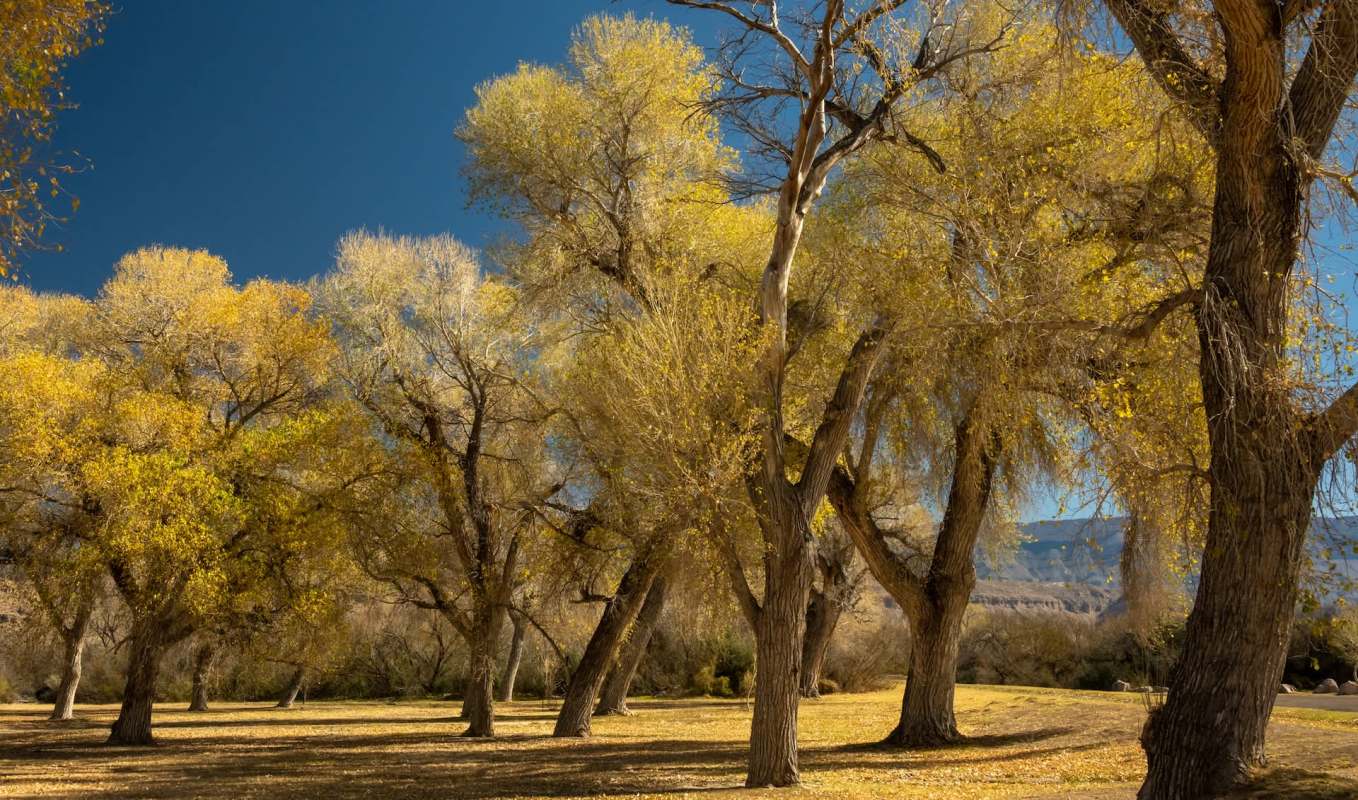
A stand of towering cottonwoods that had shaded generations in southern Arizona's San Rafael Valley is now gone, cleared to make way for new border wall construction.
For residents and conservation advocates in Lochiel, the loss extends far deeper than three trees, as AZPM reported.
What happened?
On July 27, crews removed the trees in Lochiel, a small ranching community, even as local residents and conservation groups continued to object to the work and monitor the area. AZPM said the Sierra Club estimates the cottonwoods were more than 200 years old.
Their removal came amid construction of two parallel border walls in the area. During a June visit, the outlet found the cottonwoods still standing. By late July, excavators were piling up branches beside a massive trunk lying on its side.
"Once again, rushed destruction has claimed one of the most iconic and biodiverse areas in the entire Arizona-Sonora border," Erick Meza, borderlands coordinator for the Sierra Club, said in a statement obtained by AZPM.
The day's events also included an arrest. Santa Cruz County Undersheriff Gerardo Castillo confirmed to the outlet that Logan Miller was arrested on a criminal trespassing charge while attempting to monitor the construction and was later released.
TCD Picks » Quince Spotlight
💡These best-sellers from Quince deliver affordable, sustainable luxury for all




In a video shared on social media by conservation groups, Miller said, "I do this to show that people in America can take a stand to stop the destruction going on across this country."
Why does it matter?
In hot, dry regions, mature trees provide shade, stabilize soil, support biodiversity, and create refuge for birds and other wildlife. Removing centuries-old trees wipes out natural infrastructure that took generations to grow.
Advocates are also concerned about when the clearing happened, AZPM reported. The trees were cut during Arizona's active nesting season for migratory birds.
In a June 18 letter, the Sierra Club said U.S. Customs and Border Protection would have environmental monitors survey for active nests before clearing and "establish a buffer zone around active nests until nestlings have fledged and abandoned the nest."
According to AZPM, the Sierra Club said no environmental monitors were on site during the July 27 demolition.
In earlier reporting by the outlet, nearby homeowner Laurie Butler described the cottonwood grove as "the heart" of the San Rafael Valley.
"We're not going to stop the wall," Butler conceded to AZPM. "I mean, that's a done deal. But what we can mitigate [are] the damages through the little town of Lochiel."
What's being done?
Because the public is barred from the construction site, volunteers have spent weeks observing the work from neighboring private property and documenting it.
"That's why I'm here," Kate Scott, co-founder of the nonprofit Madrean Archipelago Wildlife Society, explained to AZPM. "We were given the opportunity to witness this and document this."
Scott and others have focused on creating a public record of what is happening as wall construction moves across southern Arizona.
Conservation groups are also drawing attention to the broader policy context. AZPM reported that last year the Department of Homeland Security waived federal environmental laws to accelerate border wall construction in the San Rafael Valley while invoking border security.
Even though their attempts to save the Cottonwoods hadn't panned out, the volunteers remained undeterred.
"If you don't try, then that's the day you die, right?" Scott explained to AZPM.

Get TCD's free newsletters for easy tips, smart advice, and a chance to earn $5,000 toward home upgrades. To see more stories like this one, change your Google preferences here.







