


Questions are mounting in a Jersey Shore town where what was once seen as a possible cancer cluster on a single street has grown into nearly 400 diagnoses across the community.
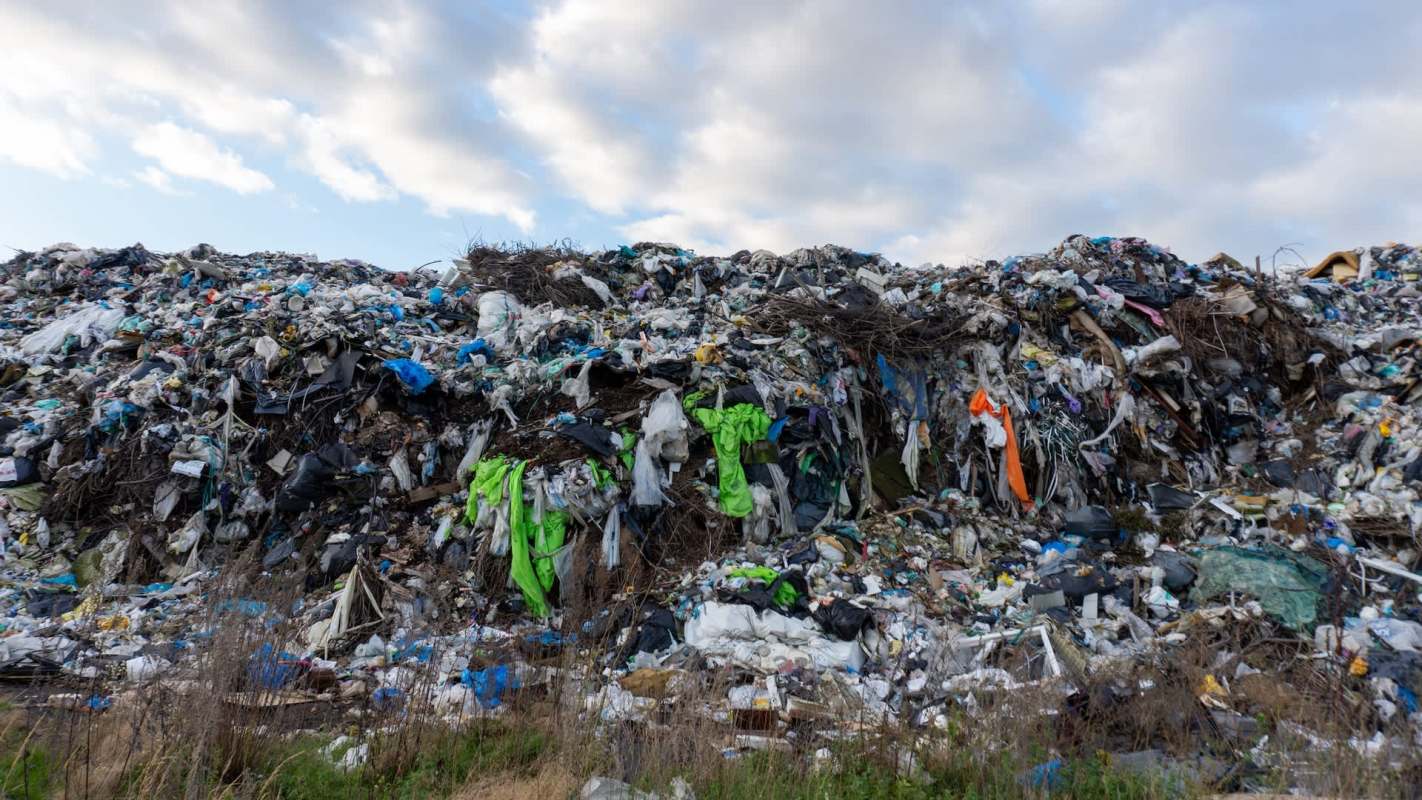
In Keyport, New Jersey, residents say the issue has become deeply personal, and they believe a nearby landfill may have exposed people to harmful chemicals, according to NewsNation.
What's happening?
Residents in Keyport planned to challenge local officials Thursday night over concerns that a former dumping site could be tied to the increasing number of cancer cases.
What residents first noticed on one street has become, in their view, a communitywide health issue, and they say the state has not adequately addressed it.
Independent testing cited by NewsNation detected metals, benzene, vinyl chloride and PFAS — so-called "forever chemicals" — in groundwater at the landfill.
NewsNation reported that some of the contaminants were found at levels above New Jersey standards for soil and groundwater.
TCD Picks » Quince Spotlight
💡These best-sellers from Quince deliver affordable, sustainable luxury for all




After reviewing the results with her team, New York University toxicologist Judith Zelikoff said the chemicals identified in the testing could have played a role in health problems reported in town, though she did not directly link them to residents' cancers.
"There were a number of toxic and/or cancer-causing agents that were also exceeding the soil standards and groundwater accessibility standards," Zelikoff explained.
"And from these data, and again, this is only from within the site, nothing so far to date has been done in the communities, just outside the communities. And so that work definitely needs to be done," she added.
Keyport resident Nicole Henn's daughter was diagnosed in 2022 with Ewing's sarcoma, a rare bone cancer, at age 12.
After 14 rounds of chemotherapy, 28 radiation sessions, and 60 hyperbaric treatments for spinal cord damage caused by radiation, her daughter is now cancer-free.
However, Henn's daughter still needs scans every six months.
Another Keyport resident, Sal Liguori, told NewsNation that his son Anthony died of bone cancer four years ago at 36.
He also said he has since been diagnosed with early-stage leukemia himself.
What's being done?
Residents want testing expanded beyond the landfill itself.
They are calling for surrounding neighborhoods to be checked to determine whether contaminants may have spread outside the site's boundaries, saying too many questions remain without sufficient answers.
Zelikoff emphasized that establishing a direct connection between the site and cancers in the community would require more specialized analysis.
"This does not definitively say there is no pathway," Henn said of the state's assessment. "Because for me, if there is a pathway, then you have to look at the surrounding footprint."

Get TCD's free newsletters for easy tips, smart advice, and a chance to earn $5,000 toward home upgrades. To see more stories like this one, change your Google preferences here.






