


Arizona's punishing late-July heat did more than make afternoons unbearable. It also pushed electricity use to new highs as millions of residents rely more heavily on air conditioning to stay safe.
With more triple-digit temperatures in the forecast, utilities warned that the strain on both the power grid and household budgets may not ease anytime soon.
What's happening?
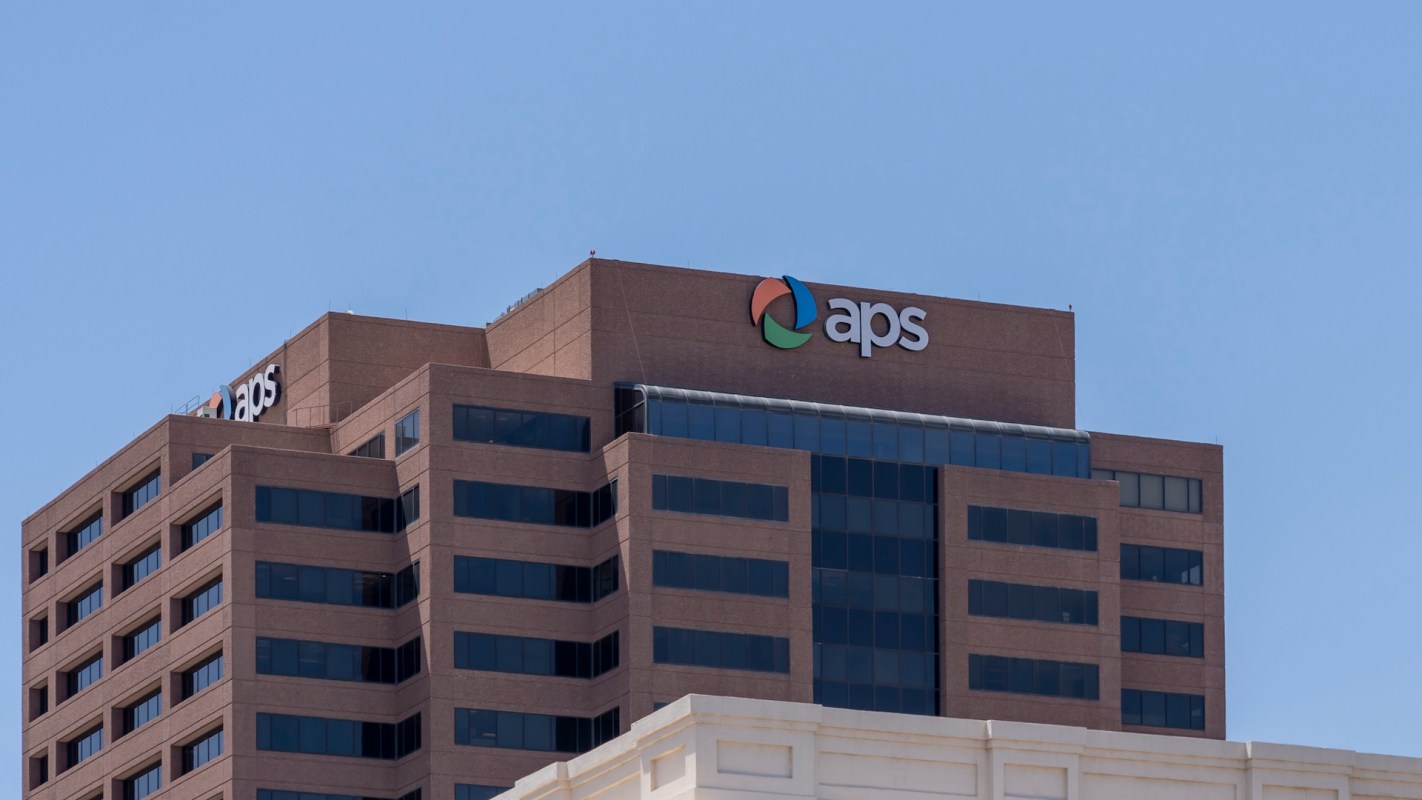
About 2.7 million residential and commercial customers across Arizona get electricity from Arizona Public Service and Salt River Project, and both utilities said their systems reached record peak demand on July 24, according to Tucson.com.
The July 24 surge came in about 5% higher than each utility's earlier peak from summer 2025, and both companies had already expected 2026 to be a year that could set new records.
Tucson.com reported that the National Weather Service placed southeastern Arizona, including the Tucson area, under an extreme heat warning from Thursday evening, July 30, through Sunday evening, Aug. 2, with afternoon highs expected to reach 108 to 113 degrees.
According to APS spokesperson Ann Porter, as cited by Tucson.com, a customer's bill will be shaped by both the household's electricity use and the rate plan they have.
TCD Picks » Quince Spotlight
💡These best-sellers from Quince deliver affordable, sustainable luxury for all




Why does it matter?
When temperatures soar, air conditioning becomes less a matter of comfort and more a safeguard against heat exhaustion, dehydration, and other potentially serious health risks.
Worsening extreme weather disasters can strain communities in several ways at once. During a prolonged heat wave, any disruption to power can put older adults, young children, and people with chronic medical conditions at risk. Outdoor workers and small businesses can also face mounting challenges as productivity drops, cooling costs rise, and neighborhood infrastructure comes under greater stress.
Even without an outage, keeping a home cool through days of 108- to 113-degree heat can send electricity use sharply higher. For families already juggling rent, groceries, and transportation costs, a heat-fueled jump in utility bills can become another source of instability.
What can I do?
Porter said, according to Tucson.com, that households can lower energy use by running ceiling fans counterclockwise only when someone is in the room, since the fans help cool people rather than the air itself.
Tucson.com also noted other steps that improve efficiency, including sealing doors and windows to keep cooled air inside and heat outside, and replacing air filters monthly so air-conditioning systems can operate more effectively during the hottest part of the season.
The best way to save money may vary with a home's rate plan. For customers on time-of-use pricing, moving electricity-heavy tasks out of the late afternoon and early evening can help, whether that means waiting until nighttime to do laundry, use the oven, or run the dishwasher.
Customers on fixed-rate plans, meanwhile, may see the most benefit from cutting total electricity use where possible, such as by setting thermostats a little higher when no one is home and keeping blinds closed during the day.
Porter also said, according to Tucson.com, that one of the clearest ways to lower costs on time-of-use plans is to stay out of the "4 p.m. to 7 p.m. window" and avoid "stacking" appliance use.

Get TCD's free newsletters for easy tips, smart advice, and a chance to earn $5,000 toward home upgrades. To see more stories like this one, change your Google preferences here.






