


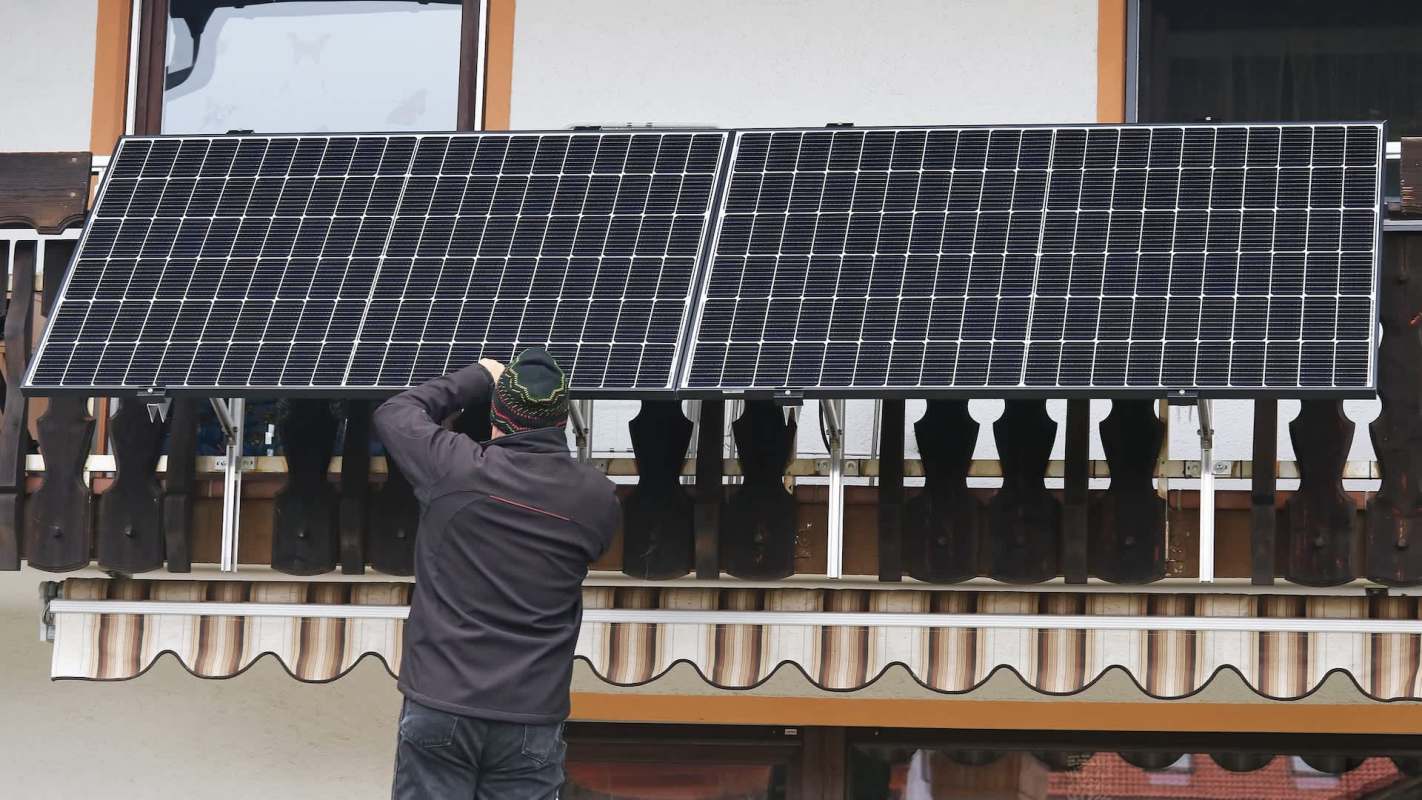
A solar panel that plugs into a standard outlet could make clean energy more accessible for renters and other households that cannot install a full rooftop system. But in North Carolina, the technology is still meeting resistance from local lawmakers.
What's happening?
According to The Southern Alliance for Clean Energy, supporters want lawmakers to reexamine plug-in solar, a small-scale solar technology that can supply some household electricity without the expense and complexity of a traditional rooftop setup.
One of the most common concerns raised about plug-and-play solar panels is worker safety. Critics argue that, if the systems are not properly designed or installed, they could send electricity back into the grid during an outage, potentially putting utility line workers at risk while they are making repairs.
However, the Southern Alliance for Clean Energy noted that these systems are already common in Europe, and systems often include protections designed to keep power from flowing back onto the grid during outages.
The organization also noted that, while no lineworkers have been injured by certified solar inverters in decades, generators, another affordable backup power option for homeowners, have been linked to documented lineworker deaths caused by electricity flowing back into the grid.
Nevertheless, many lawmakers have not moved quickly on laws to allow widespread adoption of plug-and-play solar in the U.S., leaving residents without a tool that could reduce monthly energy bills and expand access to solar power.
TCD Picks » Quince Spotlight
💡These best-sellers from Quince deliver affordable, sustainable luxury for all




Why does it matter?
Plug-in solar could remove some of the biggest barriers to going solar. A full rooftop system can require thousands of dollars, homeownership, and a roof that is suitable for panels. A smaller plug-in setup can be much more manageable, especially for apartment dwellers, condo residents, and families trying to cut their bills without taking on a major home project.
Even modest savings on electricity can add up over time, and a simpler way into solar could help more households benefit from clean power.
When homes can offset even part of their electricity use with solar, that can reduce demand for power generated by burning dirty fuels. Less pollution means cleaner air, which is especially important for communities living near power plants or other major sources of emissions.
If solar remains available mainly to wealthier homeowners with large roofs and enough upfront cash, many people will be left out of the transition to cleaner energy.
What's being done?
Advocates argue there is no need to trade safety for innovation. In their view, plug-in solar can be permitted if standards are clear, equipment is certified, and use and installation are governed by proper rules.
A setup like that could reassure utilities, regulators, and consumers while making room for a practical, money-saving option. It would also bring policy more in line with places that have already adopted smaller-scale solar choices.
Community solar, home efficiency upgrades, and smaller solar products can all help families reduce costs and pollution at the same time.

Get TCD's free newsletters for easy tips, smart advice, and a chance to earn $5,000 toward home upgrades. To see more stories like this one, change your Google preferences here.






