


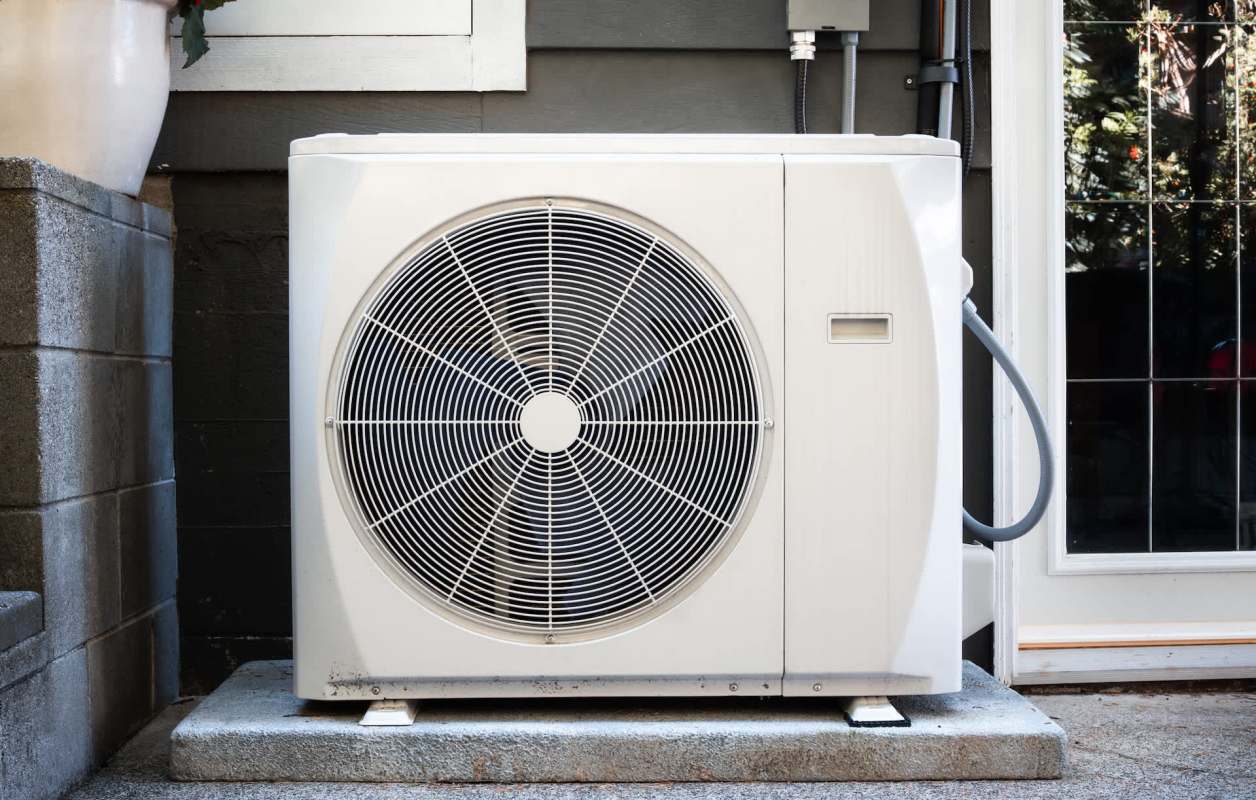
Heat pumps are becoming more of a mainstream path for homeowners. That could help cut pollution, but there are still a lot of policy decisions that need to be made to maintain this growing momentum.
While interest is increasing, uneven signals on incentives and regulations are causing some households to hold off and making certain markets more volatile.
What's happening?
Across global markets, heat pumps are gaining traction, but expansion is far from uniform.
However, dependable policy backing, local heating infrastructure, and installation costs are still key factors in deciding which areas will adopt heat pumps the fastest, Euromonitor International reported.
Europe has been one of the strongest examples of policy influencing demand. Installation targets under REPowerEU have supported category growth and helped give manufacturers more confidence to expand.
But then there are cases like Germany's, which highlighted the risks of policy confusion when heat pump sales dropped 48% in 2024. This was amid uncertainty over the subsidies, which shows how quickly consumers can delay large purchases when the rules feel unsettled.
TCD Picks » Quince Spotlight
💡These best-sellers from Quince deliver affordable, sustainable luxury for all




In the U.S., households initially boosted demand by trying to claim Inflation Reduction Act incentives before they expired in 2025. That momentum later faced fresh uncertainty after federal tax credits were rolled back.
Why does it matter?
As homes electrify, heat pumps are taking on a bigger role in how households may handle heating and cooling in the years ahead. But if policy shifts abruptly from one season to the next, consumers may postpone decisions, installers can have a harder time planning, and manufacturers may pull back on investment.
Upfront expense is another major issue. Euromonitor International noted that a heat pump's costs could vary significantly (between 1,000 euros and 10,000 euros), while installation can come in at roughly two or three times the cost of a conventional gas boiler.
For households considering the switch, consistent rebates, financing options, and transparent pricing can be especially important.
Differences in housing stock also shape demand by region. Ducted homes in North America are often a better match for air-to-air systems, while Europe's large base of radiator-equipped housing has supported stronger demand for air-to-water models.
Asia Pacific presents a different fit, with air-to-air heat pumps aligning well with established air-conditioning markets and with China's manufacturing scale.
This means a one-size-fits-all product strategy is unlikely to work.
What's being done?
Instead of assuming a single design can win everywhere, manufacturers are adapting products to local market needs.
Companies are also looking for ways to make adoption feel easier. Some companies are offering hybrid systems that allow households to keep existing gas or oil equipment alongside a heat pump, reducing perceived risk and limiting the need for an immediate full retrofit, Euromonitor International reported.
Retailers and manufacturers may also have an opening to streamline the buying process by giving households real-time guidance on subsidy eligibility and total ownership costs. Heat pumps could become part of connected home energy systems that also include rooftop solar, storage batteries, time-based tariffs, and home energy management tools.
The race may be less about selling heating equipment alone and more about helping households see heat pumps as "future-proof energy assets" rather than "simple heating replacements," Euromonitor reported.

Get TCD's free newsletters for easy tips, smart advice, and a chance to earn $5,000 toward home upgrades. To see more stories like this one, change your Google preferences here.






