


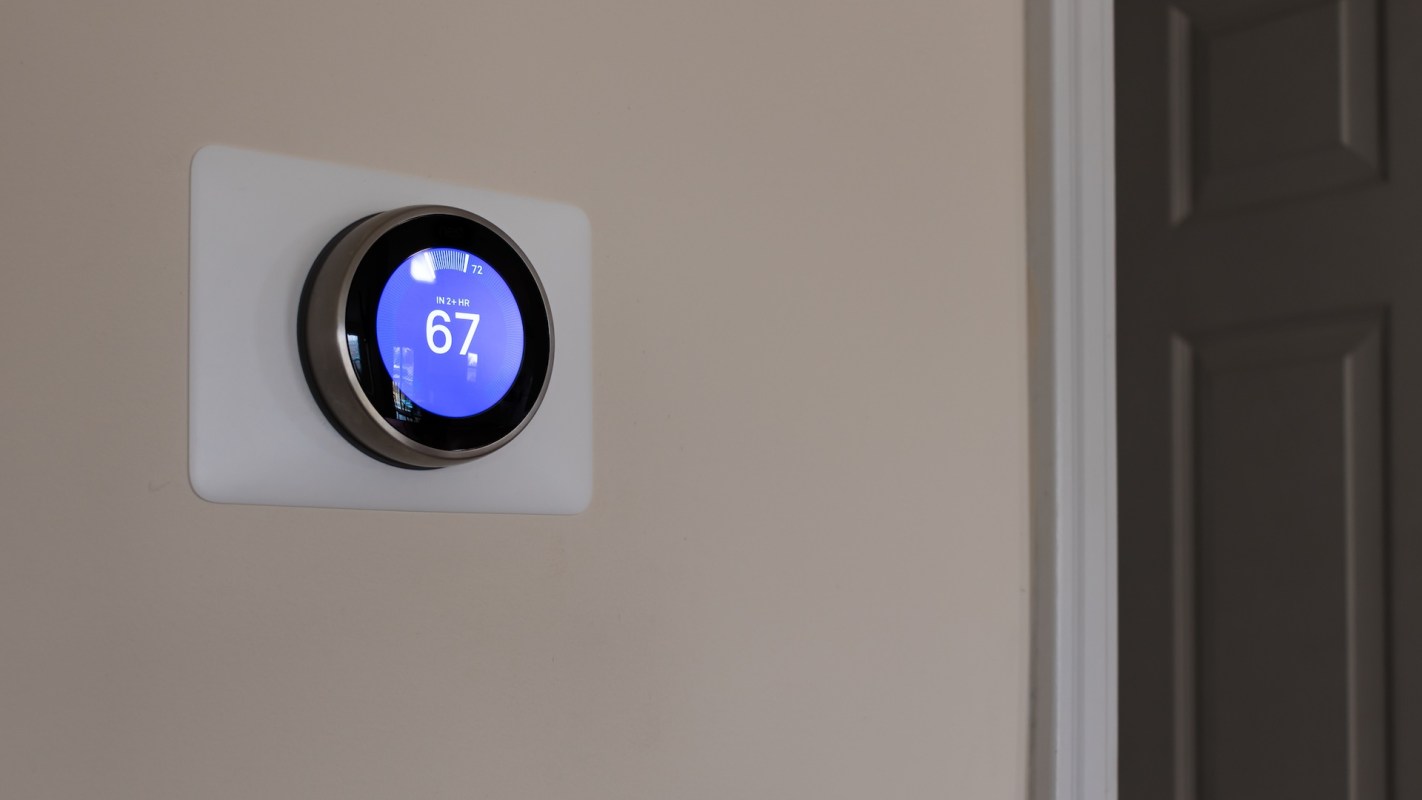
When a Southern heat wave settles in, many people instinctively crank the thermostat down as far as possible and hope the house cools sooner.
But HVAC pros say that move does not speed up the cooling process, and can instead drive up electric bills while making the air-conditioning system work harder.
What's happening?
Specialists say homeowners often respond to extreme summer weather by choosing thermostat settings that are much colder than necessary. As Southern Living reported, most air conditioners cool at a consistent pace, so setting the temperature far below your goal will not make the home cool any faster.
Ryan Osterkamp, an HVAC professional, told the outlet that a system that keeps running through a heat wave is not automatically malfunctioning.
Osterkamp said that, "In the middle of summer, it's perfectly normal for your system to have to run constantly to keep up with extreme temps. However, when you set your temperature too low, though, the system won't be able to keep up."
Shawn Bell, general manager at a Texas-based heating and air company, explained to Southern Living that AC problems become expensive when people push the setting lower than the system can reasonably handle.
TCD Picks » Quince Spotlight
💡These best-sellers from Quince deliver affordable, sustainable luxury for all




Bell said, "Pushing your thermostat into the mid-60's will cause longer run times that wear out your compressor and can freeze up the coils."
Rather than dropping into the 60s, HVAC pros instead say the safer summer range is somewhere in the 70s. The Department of Energy has recommended keeping your thermostat at 78 degrees during the daytime, although that is much hotter than most people prefer.
Why does it matter?
The biggest issues are power use and system wear. Longer cooling cycles mean more electricity consumed during the hottest part of the year, and that added strain can affect major parts like the compressor. In some cases, coils can freeze, which stops the system from cooling properly.
Preventing those issues can lower the odds of a costly repair visit and may help a unit last longer before it needs to be replaced.
But keeping a thermostat set to the high 70s may be hard to accept in the South, where heavy humidity and intense heat make lowering the temperature again and again seem like the only way to feel comfortable.

Get TCD's free newsletters for easy tips, smart advice, and a chance to earn $5,000 toward home upgrades. To see more stories like this one, change your Google preferences here.






