


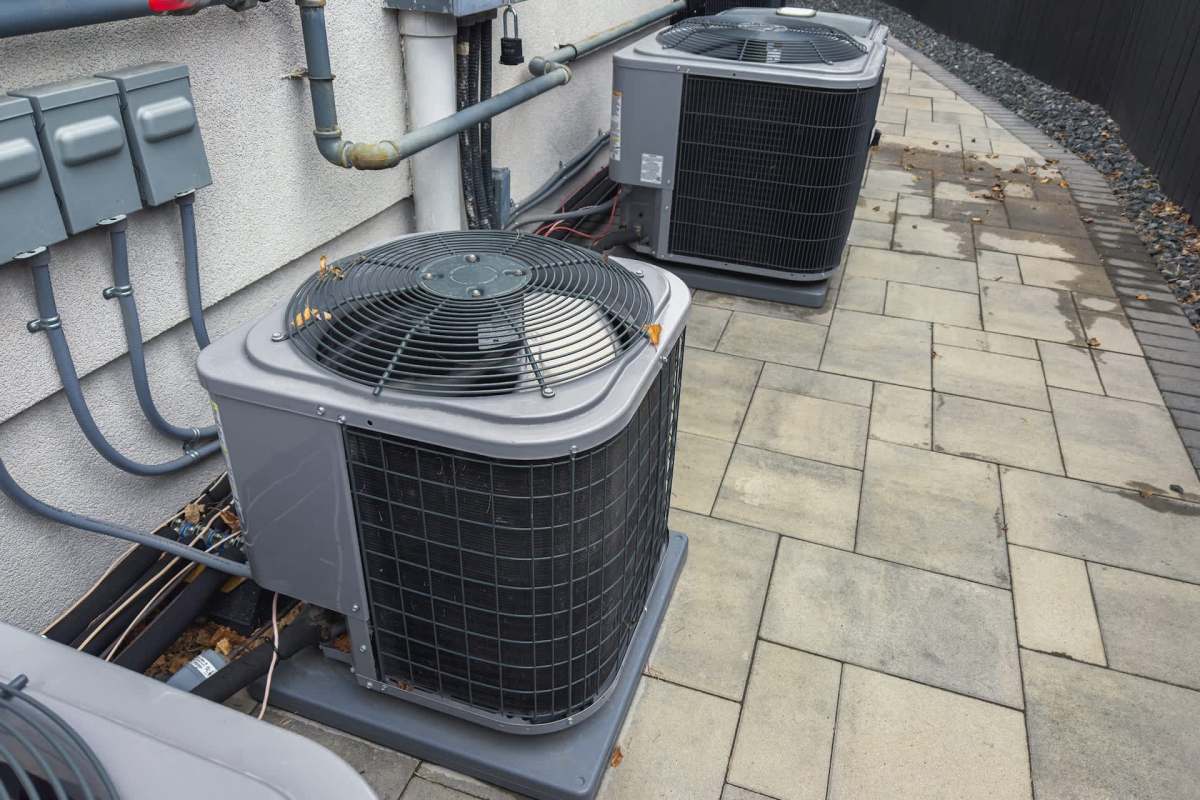
The fight over how to heat public housing in Cornwall, Ontario, has also become a measure of how firmly the city will follow its climate goals when a lower-cost alternative is available.
After staff proposed replacing a planned heat pump rollout with cheaper gas furnaces, councilors indicated they are not prepared to drop the original plan, according to the Cornwall Standard-Freeholder.
What happened?
Across its 2025 and 2026 budgets, Cornwall approved more than $3.2 million to replace older natural gas furnaces with heat pumps in 185 housing units — 170 in Cornwall and 15 in Alexandria.
The city expected about 30% of that cost to be covered by Canada Mortgage and Housing Corp. grants intended to reduce emissions from residential heating and cooling.
At a special council meeting Monday, staff urged councilors to take a different approach. Instead of proceeding with heat pumps, they recommended installing modern high-efficiency furnaces, which would cost about $1.16 million for 350 units.
Part of the rationale came from a short summary by Envari Energy Solutions Inc., which said many of the units would require electrical upgrades before heat pumps with electric backup could be installed. Most units have 100-amp panels, and backup heat could draw as much as 60 amps, raising the risk of tripped breakers.
TCD Picks » Quince Spotlight
💡These best-sellers from Quince deliver affordable, sustainable luxury for all




That explanation did not satisfy councilors.
"We spend months, years, developing strategies … we ask the public to participate, and we debate, approve, and celebrate them," Councilor Carilyne Hébert said. "We get to the first difficult decision, and the strategy seems optional."
Why does it matter?
Heating choices in public housing can shape both pollution levels and energy resilience for years to come.
If Cornwall sticks with heat pumps, the city could cut emissions from one of its largest pollution sources while also providing tenants with cooling during hot weather — something gas furnaces cannot offer.
Councilor Sarah Good emphasized the scale of the issue, saying, "This is the project to my understanding that provides single biggest reduction in greenhouse gases within housing, which … is the city's biggest source of emissions."
The dispute also reflects a challenge many communities face. Cleaner technology often comes with higher upfront costs, particularly in older buildings that may need electrical upgrades before new systems can be installed.
At the same time, opting for cheaper fossil-fuel equipment can lock in future pollution and replacement costs, even if it lowers spending in the short term.
What's being done?
Council did not approve the furnace proposal. Instead, members unanimously chose to postpone the decision and request more detail.
Before a final vote, councilors want a side-by-side comparison of the original heat-pump plan and the furnace alternative, including greenhouse gas estimates, life-cycle costs, and the chances of receiving federal funding.
They also asked for input from the city's environmental advisory committee. The delay keeps the heat-pump proposal in play for now.
"These are the moments where the plans actually matter," Hébert said.
Good was similarly critical of the report before council: "This report lacks any meaningful depth, beyond a couple of pages."

Get TCD's free newsletters for easy tips, smart advice, and a chance to earn $5,000 toward home upgrades. To see more stories like this one, change your Google preferences here.






