


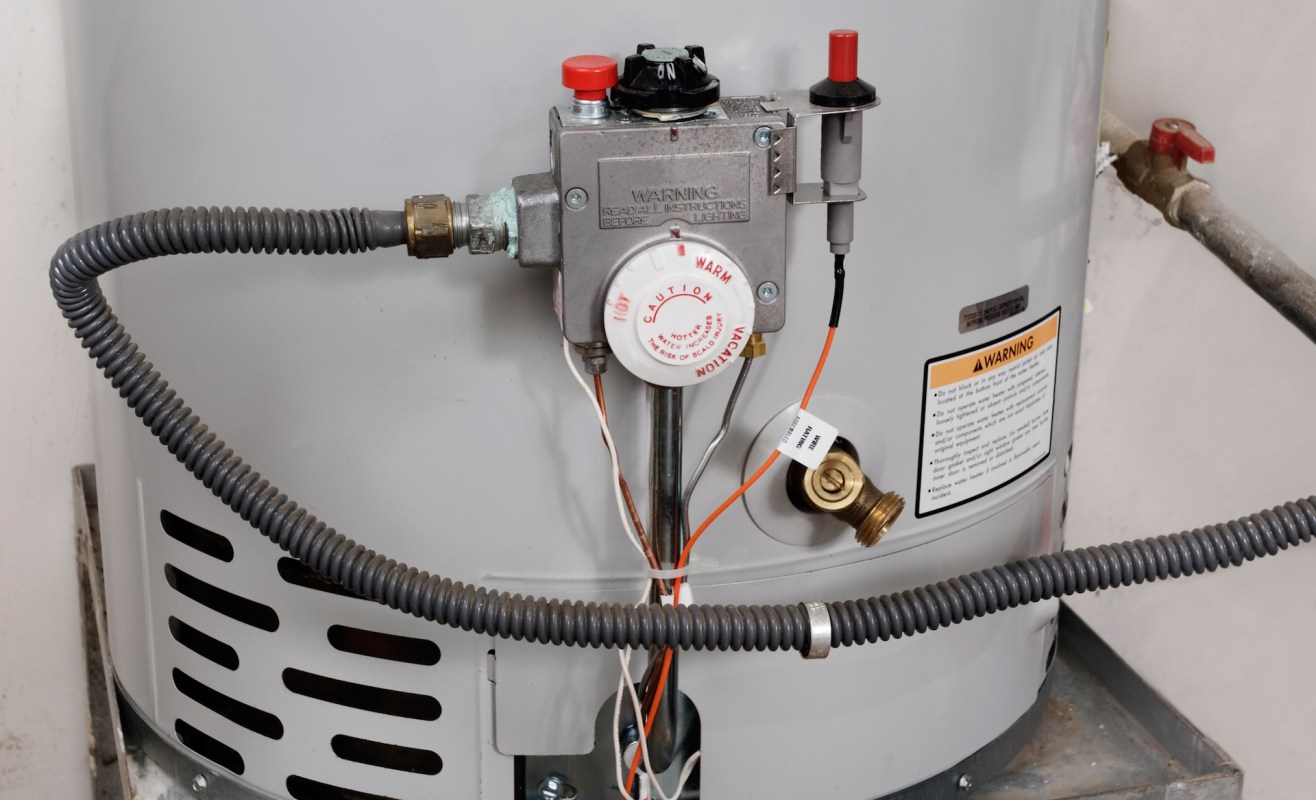
A Bay Area plan by regional air regulators to phase out new gas water heaters is no longer moving forward on its original timeline, as the Vallejo Times-Herald reported.
The delay reflects the tension between cleaner-appliance goals and the urgent disruption families face when a water heater suddenly fails.
What happened?
The paper reported officials changed the proposal by postponing it and broadening the list of exemptions.
Under a revised draft, the proposed ban would start later and would allow exceptions when an immediate move to electric equipment would be difficult, impractical, or more expensive, the Times-Herald reported. The changes apply to a regional rule covering new gas water heaters.
The proposal responds to concerns about how quickly households, landlords, and contractors could adapt. Water heaters are not usually purchases that people plan for months in advance.
When one fails without warning, any new rule can turn into an urgent and expensive decision for families trying to restore hot water as quickly as possible.
TCD Picks » Quince Spotlight
💡These best-sellers from Quince deliver affordable, sustainable luxury for all




The broader goal remains unchanged. Policymakers are continuing to push away from gas-burning appliances and toward cleaner electric options such as heat pump water heaters, which can reduce pollution and lessen dependence on fossil fuels.
The Times-Herald reported they resisted a suggestion to make the ban voluntary by a 10-8 vote after a harsh reception to the initial proposal. Instead, the new draft looks to make cutouts for individuals and businesses that face more mounting challenges to switching over to cleaner water heaters.
Why does it matter?
The debate centers on affordability, health, and timing. Opponents of a faster ban have argued that electric replacements can carry higher upfront costs and may require electrical upgrades, additional space, or more installation work, especially in older homes and multifamily buildings.
Those concerns are especially acute for households already under financial strain. If a mandate arrives before rebates, trained installers, and simpler permitting systems are fully in place, lower-income residents and small property owners could face limited options.
Emergency replacements are particularly difficult when major electrical work is needed before hot water can be restored.
Supporters say the benefits include lower pollution and improved air quality. Gas appliances produce planet-warming pollution and contribute to air quality problems, while cleaner electric models can help communities reduce harmful emissions over time.
The Times-Herald said the district projects the rule could cut up to 85 deaths per year and save the region up to nearly $900 million annually in health impacts by cleaning the air.
In neighborhoods already dealing with intensifying heat, wildfire smoke, and other climate-related pressures, cutting fossil fuel use in buildings is part of climate and public health planning.
What's being done?
The revised draft suggests regulators are trying to balance those competing pressures, as the paper detailed.
By delaying the rule and adding exemptions, regulators may be giving homeowners, businesses, and local governments more time to prepare while still keeping the region on track toward cleaner building equipment. A major part of making that transition equitable will be practical support.
Those steps could address some of the most common criticisms of the policy without abandoning its clean-air goals.
The delay may ease immediate pressure, but the Bay Area's direction still appears clear in that pushing for cleaner appliances remains part of the region's strategy.

Get TCD's free newsletters for easy tips, smart advice, and a chance to earn $5,000 toward home upgrades. To see more stories like this one, change your Google preferences here.






