


Beginning Aug. 1, Massachusetts residents who still get electricity through basic service are going to see their rates go up.
But because more households now receive power through municipal aggregation or other supply arrangements, Boston.com noted a growing number of households may avoid that increase.
What's happening?
National Grid, Eversource, and Unitil are all changing their electricity supply prices, while just 26.6% of customers statewide were still on basic service as of March 2026, as the outlet reported.
The rate being adjusted is the supply charge, which reflects what utilities pay for electricity and then pass on to customers. Boston.com noted Massachusetts law requires those prices to be reset twice a year, in February and August.
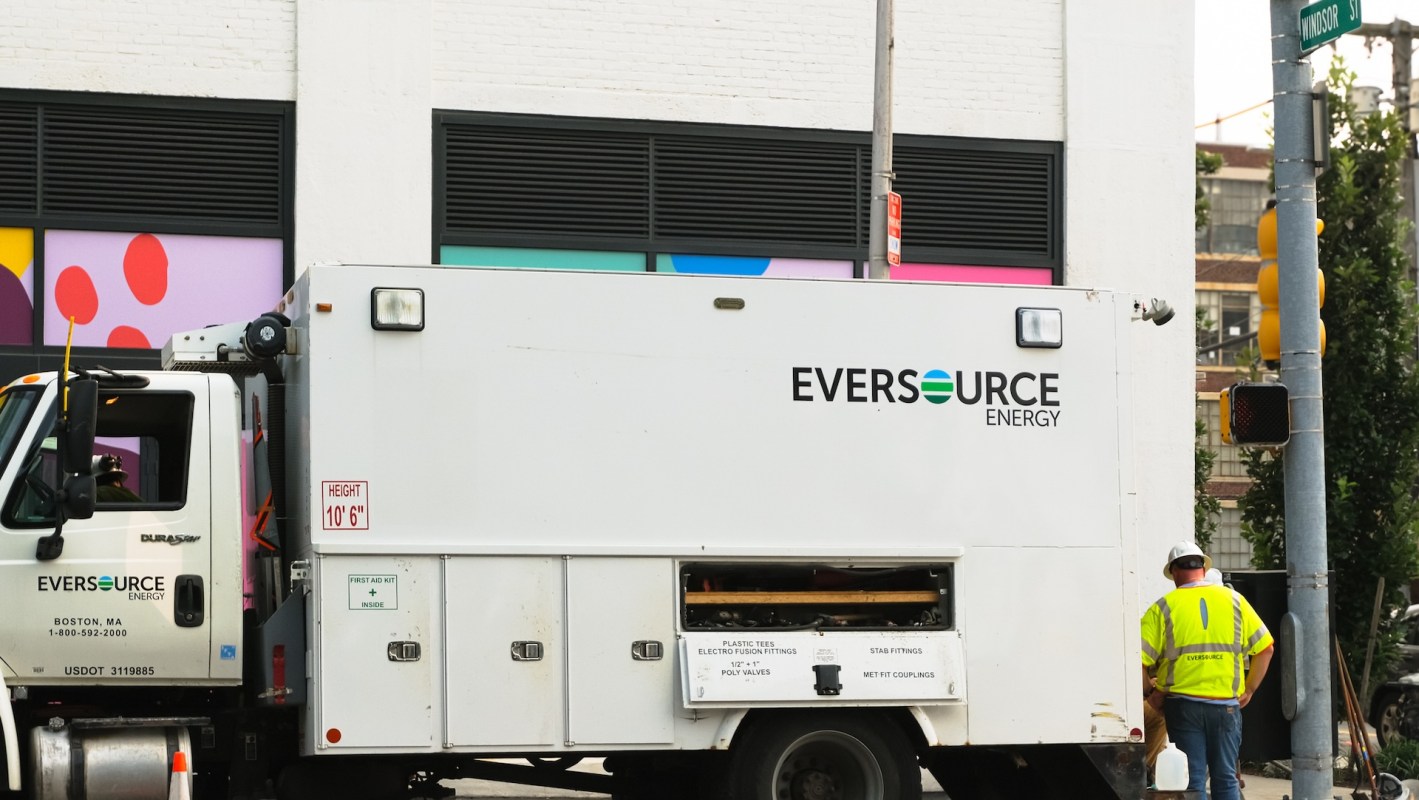
For National Grid customers, the variable basic-service rate is increasing from 15.546 cents to 16.074 cents per kilowatt-hour, and the fixed option is rising from 15.372 cents to 17.185 cents per kWh. Eversource customers on basic service will see the price go from 15.6 cents per kilowatt-hour to 17.3 cents.
Eversource chalked up the increase to energy-market pressures, including higher natural gas demand after an unusually cold winter and global instability affecting energy markets. The company has also said it does not profit from the supply charge.
TCD Picks » Quince Spotlight
💡These best-sellers from Quince deliver affordable, sustainable luxury for all




Why does it matter?
Only customers who remain on basic service will be directly affected, but even modest rate increases can still make a noticeable difference on monthly bills.
Using state data, Boston.com revealed that about 51% of customers are enrolled in municipal aggregation, under which cities and towns secure electricity supply contracts for residents. Another roughly 22% buy power from a competitive supplier they chose themselves.
The outlet suggested that these moves away from basic service haven't always paid off for consumers. Officials estimate customers who switched to competitive suppliers have collectively lost hundreds of millions of dollars over the past decade compared with staying on basic service.
That matters because utility costs are already weighing heavily on many households. A 2025 Suffolk University/Boston Globe poll found that more than one-fifth of respondents said utility bills were the biggest strain on their household budgets.
What can I do?
Start by checking your electric bill to identify your electricity supplier. If it shows basic service, you can then use the state Department of Public Utilities to find out whether your city or town offers a municipal aggregation program.
A municipal aggregation plan may provide a rate negotiated locally and could help protect households from the newest increase to basic service.
Residents can also review options on the state's Energy Switch website. Still, state regulators and the attorney general's office have repeatedly warned consumers about issues in the competitive supply market, as Boston.com reported.

Get TCD's free newsletters for easy tips, smart advice, and a chance to earn $5,000 toward home upgrades. To see more stories like this one, change your Google preferences here.






