


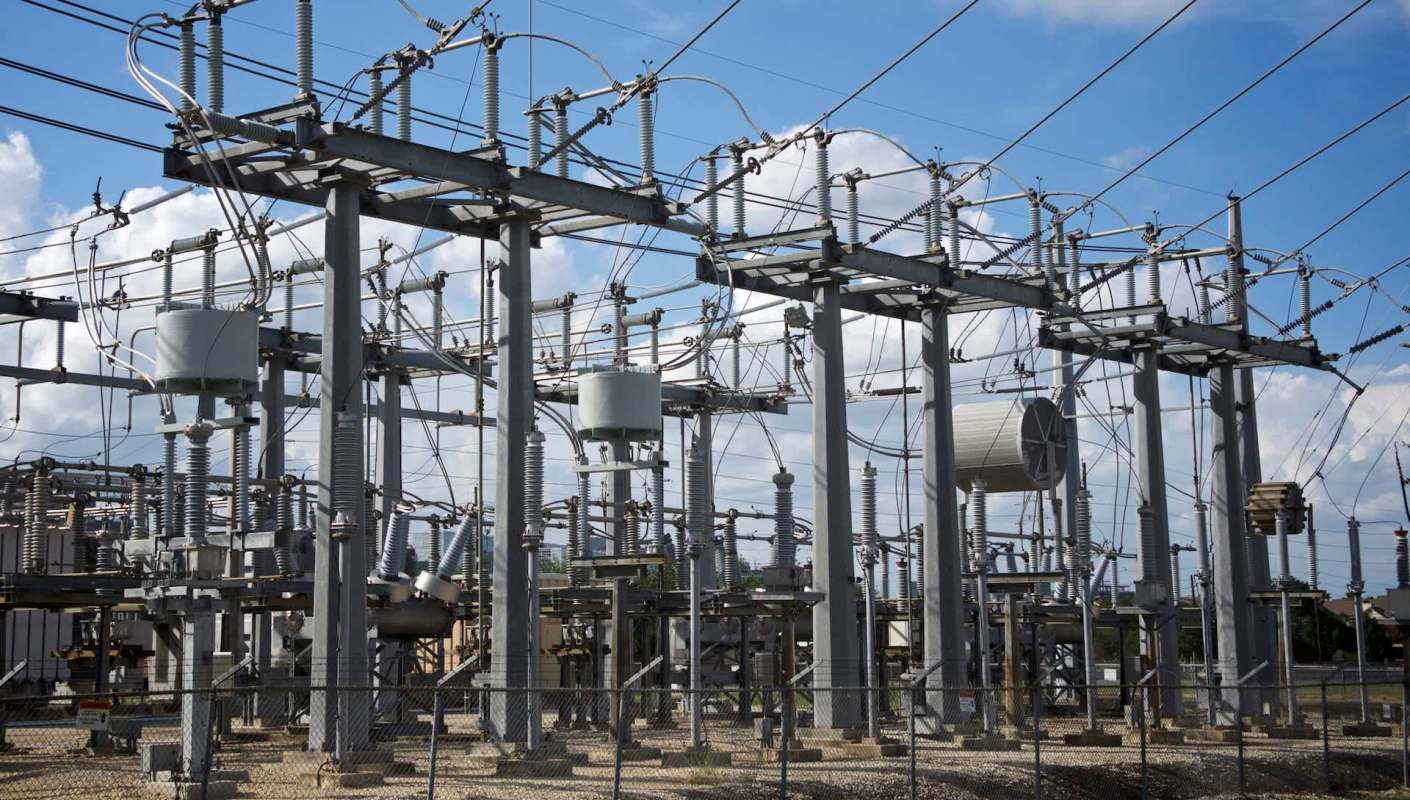
Texas just broke its summer electricity-demand records, but state officials said the bigger challenge for the state's power grid is still ahead.
ERCOT's outlook suggests the grid may need to serve about 175,000 megawatts by 2032 — roughly twice the new peak reached last week, as reported by The Texas Tribune.
What's happening?
ERCOT said electricity use is expected to climb sharply over the next six years as data centers multiply, the population rises, and industrial development continues.
The grid operator hit new highs on consecutive days last week, culminating in 91,308 megawatts on July 22 after the prior record fell a day earlier. Despite the surge, ERCOT did not ask Texans to conserve power.
Thomas Gleeson, chair of the Public Utility Commission of Texas, said: "We hit an all-time peak, and we had no issue hitting that peak."
A big reason the system held up was the recent buildout of solar generation and battery storage. Solar at times produced more than 45% of the state's electricity, and batteries also reached a record, discharging 11,980 megawatts.
TCD Picks » Quince Spotlight
💡These best-sellers from Quince deliver affordable, sustainable luxury for all




ERCOT CEO Pablo Vegas said 16,000 megawatts of generation came online in Texas last year, largely from solar projects and battery installations.
Why does it matter?
For residents and businesses, grid reliability shapes whether air conditioners stay on in dangerous heat, how much people pay for electricity, and broader public safety. If demand continues to outpace dependable supply, scarcity could become more common, driving up prices or raising the risk of outages, especially after sunset as solar output fades.
Data centers are a big part of that growth. Many are being built to support artificial intelligence, which can bring upside such as quicker research, more efficient logistics, and tools that help utilities manage demand and bring more clean energy onto the system.
At the same time, artificial intelligence brings downsides. Massive data centers can use huge amounts of power and water, burden local infrastructure, increase electricity costs, and create security or misuse risks when oversight fails to keep up.
What happened during the recent records suggests those clean-energy additions are already affecting the grid in visible ways.
Cyrus Reed, conservation director for the Lone Star Chapter of the Sierra Club, said Texas has benefited from "so much additional solar and battery storage which has helped make our grid more reliable, less costly and cleaner."
What's being done?
Regulators say meeting future demand will require a mix of resources rather than a single fix. Solar panels and batteries are proving useful during scorching afternoons, and wind generation often strengthens overnight.
They also argue the state may need more power sources it can turn on at will — especially natural gas plants — to cover demand later in the evening.
To encourage that buildout, lawmakers in 2023 established the $10 billion Texas Energy Fund to offer low-interest loans for new gas plants. Gleeson said projects representing 5,000 megawatts have already been approved, and another 2,300 megawatts are still being reviewed.
ERCOT, meanwhile, is revising its demand forecasts after earlier long-term estimates were criticized as inaccurate amid the fast rise of large-load customers like data centers.
Looking back at last week's performance, Gleeson said, "We hit an all time peak, and we had no issue hitting that peak."
Vegas added a warning about the longer-term picture: "If that continues while load grows very rapidly, we're going to get to a place where we have a lot more scarcity events."

Get TCD's free newsletters for easy tips, smart advice, and a chance to earn $5,000 toward home upgrades. To see more stories like this one, change your Google preferences here.






