


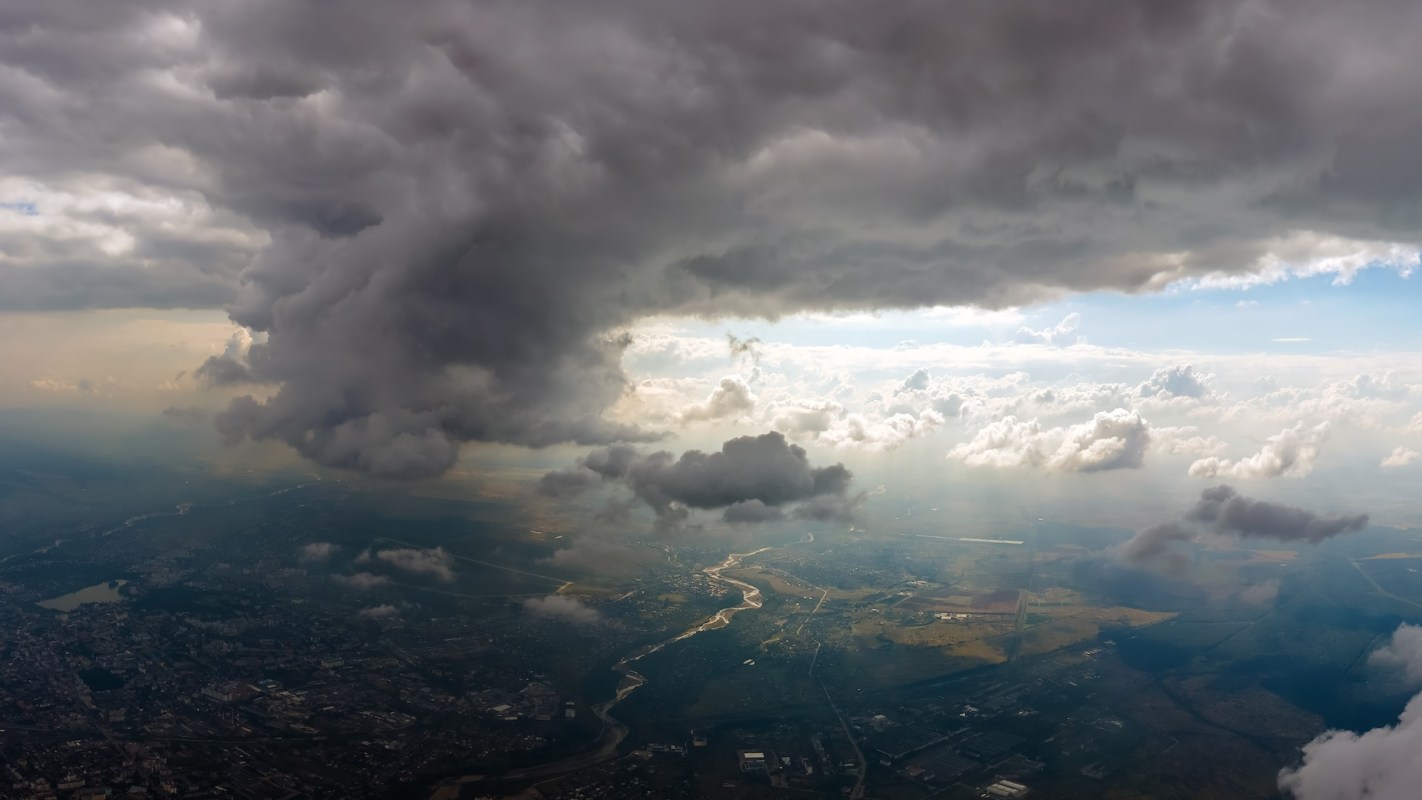
A raindrop's route to the ground is getting longer in some parts of the country, and the shift appears to involve more than changing wind patterns.
Researchers say rising temperatures are altering both the sources of atmospheric moisture and the places where that moisture finally falls, potentially redrawing rainfall patterns across the United States.
What's happening?
According to the Guardian, a new study found that in parts of the U.S., water vapor now spends more time aloft and travels farther before falling as rain than it did about 35 years ago.
In the Southwest and southern Plains, the change amounts to roughly 30 to 50 additional miles of travel before precipitation occurs, according to a study in Geophysical Research Letters by University of Wyoming researcher Travis Aerenson and his co-authors, who modeled U.S. moisture transport over more than three decades.
Even modest changes in timing and distance can redirect rainfall from some communities, farms, and ecosystems to others. The study found that, across broad areas, moisture now stays in the atmosphere for about two to four hours longer before becoming precipitation.
The study also found that evaporation feeding this moisture is increasingly coming from ocean surfaces, while land surfaces are contributing a smaller share.
TCD Picks » Quince Spotlight
💡These best-sellers from Quince deliver affordable, sustainable luxury for all




Why does it matter?
A warmer atmosphere does more than hold extra water vapor; it can also change the map of where rain falls.
When moisture remains airborne for longer and travels farther, precipitation can end up in different places than it once did, with important consequences for land use and water security.
For households, the effects may show up as greater uncertainty: longer dry spells in one area, heavier downpours in another, or storms that no longer follow familiar local patterns. Communities that rely on steady seasonal precipitation may find historical weather expectations becoming less dependable.
The results suggest that rainfall may depend more heavily on evaporation beyond a state's or country's own boundaries, which could make water supplies more interconnected and increase the need for cooperation among neighboring regions.
What's being done?
Improving how scientists track moisture movement through the atmosphere gives water managers, planners, and policymakers a clearer picture of how warming is changing the path from evaporation to rainfall.
By showing how rain in one area may increasingly depend on water that evaporated somewhere else, that information can help states and local governments make better land-use decisions while also supporting regional cooperation.
The effects of Earth's warming extend beyond hotter conditions, reaching the less visible systems that move water through the atmosphere and shape each raindrop's trip to the ground.
So while warmer air can store more water vapor, this study indicates it may also keep that moisture moving for longer distances and longer periods. As those routes shift, places that depend on rain arriving at the right time may shift with them.

Get TCD's free newsletters for easy tips, smart advice, and a chance to earn $5,000 toward home upgrades. To see more stories like this one, change your Google preferences here.






