


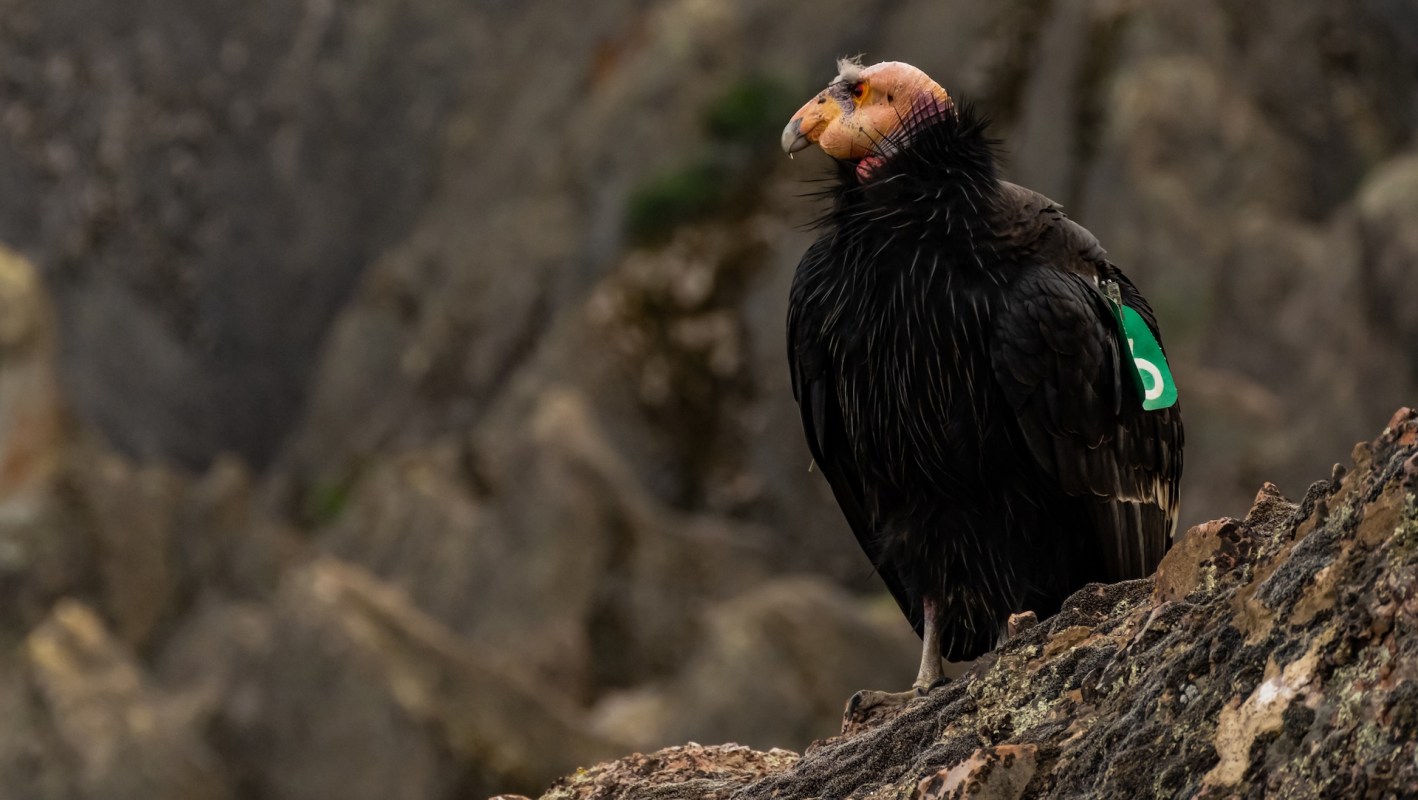
California's iconic condors are still soaring over the Central Coast, but their local numbers are heading in the wrong direction.
At Pinnacles National Park, a flock that has long drawn visitors hoping to catch a glimpse of one of North America's rarest birds has shrunk this year, as lead poisoning continues to undercut recovery efforts.
What happened?
According to KSBW, the flock overseen by Pinnacles National Park and Ventana Wildlife Society now numbers 106 birds, down from 114 last year. Conservationists said the drop was driven mainly by adult deaths and unsuccessful nests.
Ventana Wildlife Society executive director Kelly Sorenson said lead exposure remains one of the species' biggest challenges. "We need better availability of lead-free ammunition across the state of California. The state of California requires the use of lead-free ammunition, but the market doesn't support it," Sorenson said.
This year, Pinnacles monitored two nesting trios, and neither nesting effort resulted in a chick. Sorenson said condors can be poisoned during nesting season, throwing the process off entirely.
Despite the decline on the Central Coast, decades of recovery work have pushed the worldwide California condor population to nearly 600 birds.
TCD Picks » Quince Spotlight
💡These best-sellers from Quince deliver affordable, sustainable luxury for all




Why does it matter?
Condors serve an ecological purpose as huge scavengers that clear carcasses from the landscape.
When lead poisoning kills breeding adults or causes nesting attempts to fail, it slows the species' recovery and diminishes that natural cleanup role.
Seeing condors is one reason many people visit Pinnacles. One visitor told KSBW, "We came all the way out here to, like, see animals like them and it'd be kind of sad if we didn't."
The species' slow breeding rate means adult deaths can have an outsized effect on recovery.
"What we see, unfortunately, is a pair will be in the process of nesting, and one of them or both will get poisoned by lead poisoning partway through the nesting season," Sorenson said. "And when that happens, it can be devastating to the effort that these birds are trying to make in reproducing and carrying on their species."
What's being done?
Conservationists say California's lead-free ammunition requirement will only work as intended if nonlead rounds are easier to obtain. If hunters and ranchers cannot consistently buy the calibers they need, scavenging birds remain exposed to risk.
Ventana Wildlife Society is also keeping watch for avian influenza. KSBW noted that Sorenson said California has avoided the severe condor losses reported in Arizona, adding, "Thankfully, we haven't had that kind of an impact here in California, and we were able to vaccinate almost 90% of the flock."
"We've got to improve the access to lead-free ammunition for all calibers for all hunters and ranchers. And then we'll start to see California condors really taking off," Sorenson said.
"In this day and age, we shouldn't be at this point."

Get TCD's free newsletters for easy tips, smart advice, and a chance to earn $5,000 toward home upgrades. To see more stories like this one, change your Google preferences here.







