


During a tense meeting in Pulaski County, Arkansas, officials rejected a proposed one-year pause on new data centers, according to the Arkansas Times.
The decision keeps a controversial AVAIO project in Wrightsville moving forward as local concerns about power use, water demand, and rural land use continue to intensify.
What happened?
Many of the people at Tuesday night's full Quorum Court meeting were Wrightsville residents concerned about a proposed AVAIO Digital facility planned for their community. As the county considered the closely watched data center moratorium, Pulaski County Judge Barry Hyde warned elected officials and residents against disruptions, the Arkansas Times reported.
"This isn't a participatory event," he told residents.
First, Quorum Court voted down an amendment that would have opened the door to more regulations on AVAIO in later phases of its project. The tense atmosphere was underscored when a man was escorted out for clapping after a key vote.
Then, it voted down a 12-month moratorium 10-3, with one member recorded as present.
TCD Picks » Quince Spotlight
💡These best-sellers from Quince deliver affordable, sustainable luxury for all




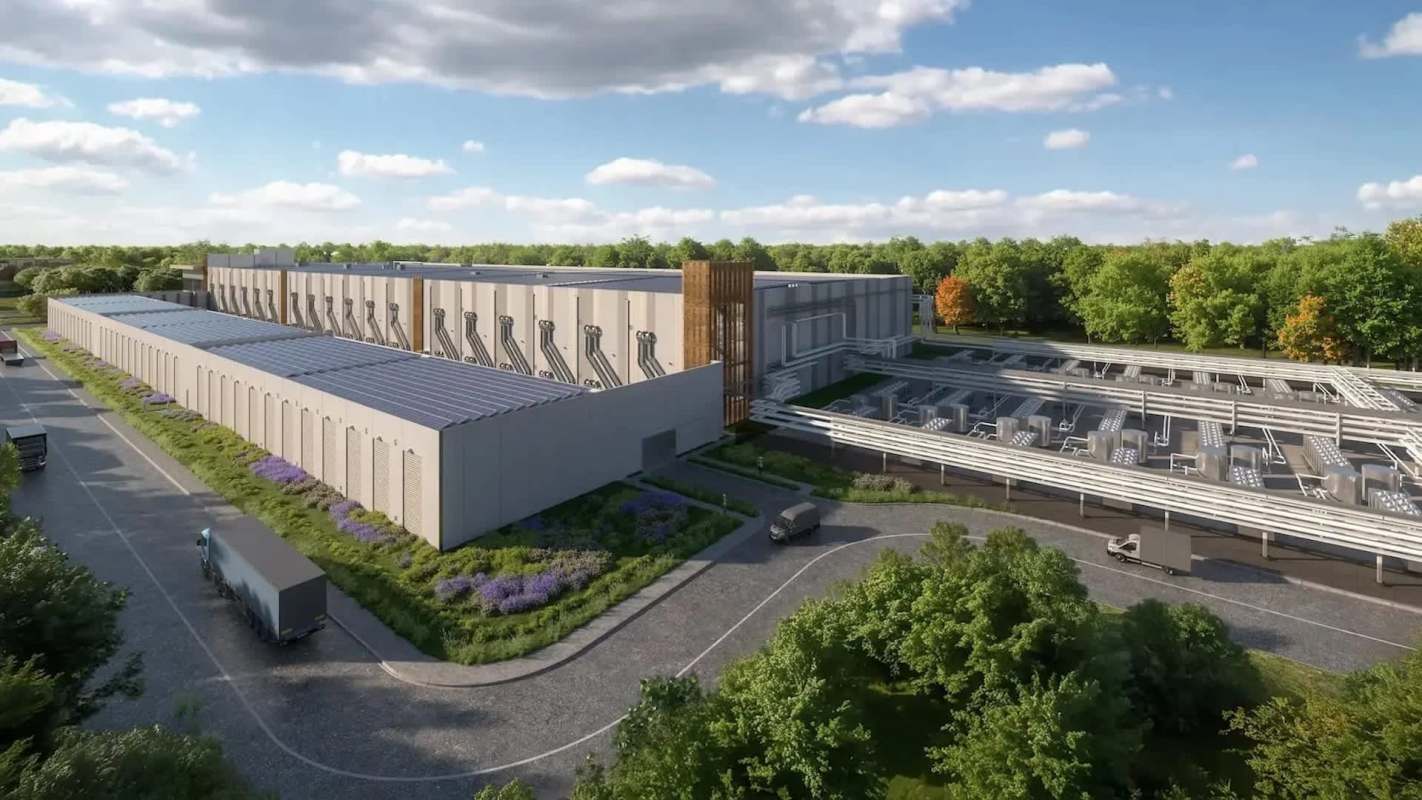
AVAIO's Wrightsville project could eventually scale up to a 1-gigawatt power draw. Even the first phase would be substantial, covering 30 acres and including two facilities drawing 150 megawatts of electricity — about enough to power 100,000 homes — and using as much as 4 million gallons of water each day.
Why does it matter?
The dispute in Pulaski County fits a broader national flashpoint: Artificial intelligence is driving demand for massive computing infrastructure, and rural communities are increasingly being asked to host it. Residents in Wrightsville have raised concerns about fire risks, strain on the grid, rolling blackouts, and changes to the area's rural way of life, as Arkansas Times reported.
AI does offer potential benefits, including helping utilities forecast demand, improving grid efficiency, and accelerating clean energy planning. But those benefits come with tradeoffs when the physical systems supporting AI — especially large data centers — require enormous amounts of electricity and water.
That level of demand can strain local power supplies, raise questions about water access, and leave households worried about higher bills or reduced reliability.
Local governments are still trying to figure out how to regulate a fast-growing industry. Pulaski County was not considering an outright ban but rather a temporary pause to establish rules before additional projects move ahead.
What's being done?
Even though this version of the moratorium failed, the issue appears far from settled. The county has spent months revising proposals, and officials seem likely to revisit the matter as pressure continues from residents and court members seeking stronger oversight.
Justice of the Peace Tina Ward, who represents Wrightsville, has been among the clearest voices calling for accountability to the community, according to the Arkansas Times.
Before the meeting concluded, Justice of the Peace Patricia Young-Baker also suggested a tour of a data center facility, which the outlet described as a sign that county leaders may want more direct information before returning to the issue.

Get TCD's free newsletters for easy tips, smart advice, and a chance to earn $5,000 toward home upgrades. To see more stories like this one, change your Google preferences here.






