


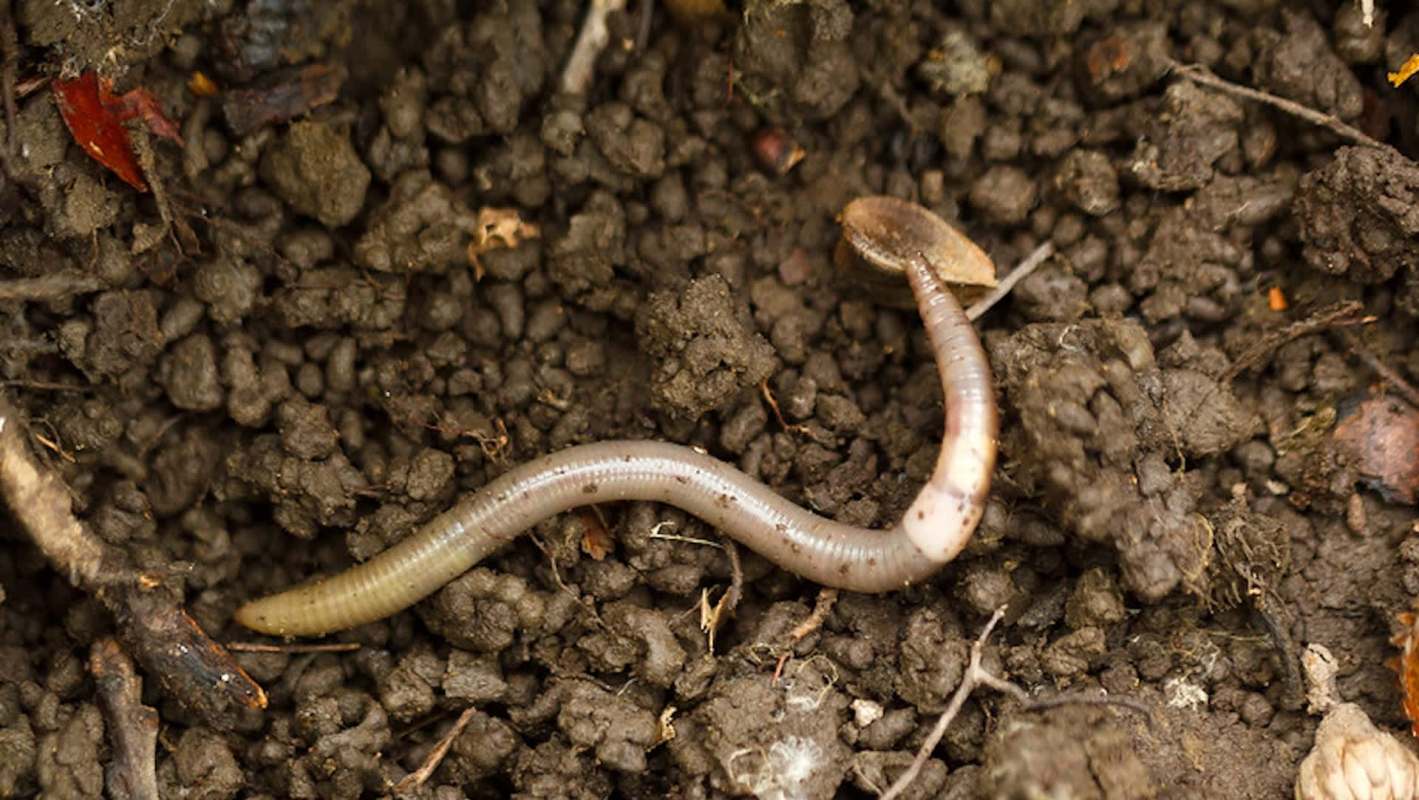
Colorado has a new invasive pest to worry about, and it can quietly damage the ground beneath people's feet.
Asian jumping worms have now been spotted along Colorado's Front Range, raising concerns for gardeners and for the long-term health of parks, farms and neighborhoods that rely on healthy soil.
What's happening?
According to coverage by 9NEWS, the Colorado Department of Agriculture says the worms have been found in areas ranging from Boulder to Castle Rock.
The department says the species is spreading quickly across the United States and goes by several other names — crazy worms, snake worms, and Georgia jumpers. Colorado's first known detection happened in Denver's Hilltop neighborhood in October 2025.
Officials describe the worms as reddish-brown and up to about 6 inches long. They thrash violently when disturbed and can be distinguished from similar-looking worms with the distinctive white band around the body.
Containing them is especially challenging, the department says, because they can reproduce without mating and build up their numbers quickly after reaching a new location.
TCD Picks » Quince Spotlight
💡These best-sellers from Quince deliver affordable, sustainable luxury for all




Why does it matter?
By feeding in the upper layer of soil and stripping away nutrients, Asian jumping worms make it harder for plants to grow well. That can weaken gardens, landscaped areas, and natural spaces.
For communities along the Front Range, soil health affects how well yards, shade trees, and shared green spaces hold up through heat and drought, and whether new plantings can thrive.
They also displace other worms, which can throw soil ecosystems out of balance. When invasive species push aside native or established organisms, it can set back efforts to build more resilient landscapes and greener neighborhoods. Many pests and invasive species like these worms can also make it more difficult for farmers to grow healthy crops, leading to lower harvests.
In a state already dealing with environmental stress, a fast-spreading pest that degrades soil is one more hurdle.
What's being done?
Colorado officials are urging people not to use Asian jumping worms as fishing bait, since moving them that way can help the species spread to new places.
The state recommends a method to get rid of them by using a mustard solution to draw the worms to the surface. Mix ⅓ cup of ground yellow mustard seed with a gallon of water, then slowly pour it over the soil.
Staying alert while gardening or moving soil, mulch, or plants could help catch infestations earlier. Learning what these worms look like — especially their thrashing behavior and white band — could also help people spot infestations sooner.
Once a species that reproduces this quickly becomes established, controlling it gets tougher, and the damage to local soil can become more costly for homeowners, gardeners, and communities to manage.
As Aja Bos, survey coordinator for the Colorado Department of Agriculture, put it: "These worms are only living on the top layer of the soil, and they're consuming all the nutrients out of the soil at a rapid pace."

Get TCD's free newsletters for easy tips, smart advice, and a chance to earn $5,000 toward home upgrades. To see more stories like this one, change your Google preferences here.






