


Power outages can turn backup electricity from an optional upgrade into something that feels far more necessary for a home.
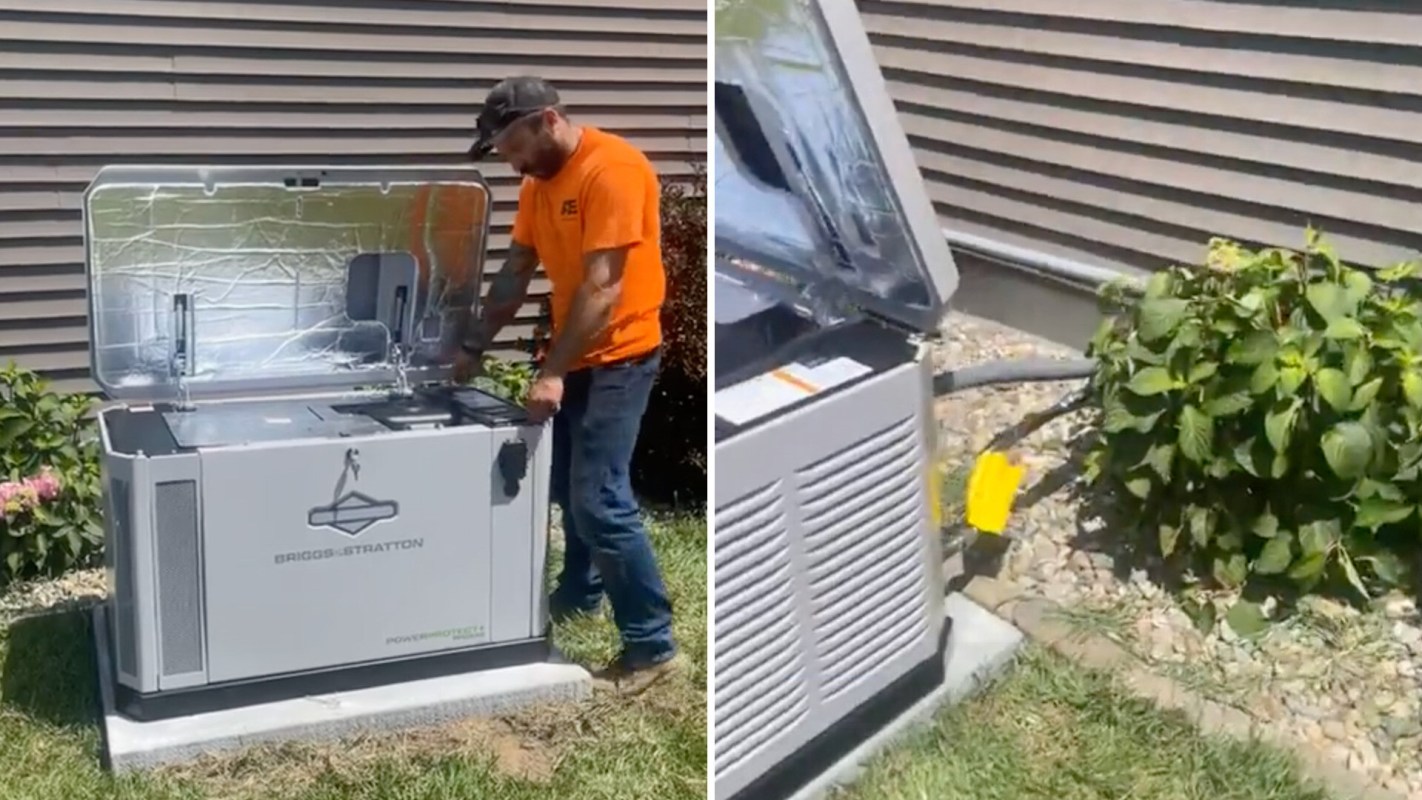
For one man headed back to Michigan, the repeated service interruptions at his mother's house led him to arrange a standby generator for her — and then decide to put one in at his own place as well.
What happened?
A homeowner shared that experience in a recent post on the r/Generator forum on Reddit, writing: "I'm moving back to Michigan after decades away. My mom (also in the area) has had a lot of outages, so I decided to get her a standby. In doing so, I figured I'd get one for myself."
(Click here if the embedded video does not appear.)
He said his setup is a 22-kilowatt generator for a home of about 1,600 square feet with one central AC unit, and that the total came to "just about $10k on the dot."
According to the homeowner, an 18-kW model likely would have been enough, but stepping up to 22 kW cost only a few hundred dollars more and gave him room for added electrical load later.
TCD Picks » Quince Spotlight
💡These best-sellers from Quince deliver affordable, sustainable luxury for all




That choice seemed worthwhile almost immediately.
"My mom's power actually went out the day after they finished her install and worked like a champ," he wrote. "It was only out for about an hour, but at least it was a good proof of concept."
Many of the responses came from other generator owners joking that installing backup power is the surest way to stop outages from happening for a long time.
Why does it matter?
Having a standby generator can help households avoid some of the hassle and expense that come with losing power.
The purchase price is significant, but outages can carry their own costs very quickly.
One commenter said even a relatively brief cold-weather outage can leave a house "dangerously cold," and longer blackouts can mean spoiled food, hotel costs, lost work time, or expensive damage around the home.
He also said his price was helped by cheaper rates in his small town and by a transfer switch already on the house that could be retrofitted.
Another Reddit commenter said similar 22-kW systems in more expensive areas may cost $16,000 to $20,000.
When he explained how he picked a generator, the homeowner said the company doing the work mattered more than the label on the unit.
"Honestly, it was all about the installer," he explained, adding that poor communication from other dealers raised concerns about support after installation.
What can I do?
Much of the advice in the thread came down to comparing several bids, checking installers' service reputations, and choosing a size that matches expected power needs.
He said his own job took only "half day max," but he also warned shoppers to vet electricians carefully and think about who will handle service after the sale.
"Getting them installed is one thing, but ongoing support is another," he wrote. "Some of these places are a nightmare to get ahold of after they took your money for the install."
Price is also a big part of the decision.
A whole-home standby generator may be the easiest option to live with, but commenters pointed out that there are cheaper alternatives.
One person said they skipped a $15,000-plus standby system and instead added an outlet and interlock for a portable generator, which could cover essentials but not central AC.
The homeowner also noted that propane-fueled homes may need an additional service call to complete the fuel connection, unlike setups using natural gas.
As one commenter put it, "Good story. It's really like any kind of insurance. Ya hope ya never need it, but when ya do…"

Get TCD's free newsletters for easy tips, smart advice, and a chance to earn $5,000 toward home upgrades. To see more stories like this one, change your Google preferences here.






