


Michigan may be seeing early signs that a major parasite outbreak tied in part to recalled lettuce is beginning to ease.
However, health officials say that does not mean the contaminated produce is entirely out of circulation — or that additional illnesses will not continue to emerge, according to NBC News.
What's happening?
A recent update from the Centers for Disease Control and Prevention indicates that case trends in Michigan may be easing after the state became the main center of the cyclosporiasis outbreak.
Across the country, more than 18,000 confirmed or suspected cases of cyclosporiasis — a foodborne pathogen caused by the parasite Cyclospora cayetanensis — have been recorded.
Michigan accounts for more than 9,500 of those cases, and about 160 people in the state have been hospitalized.
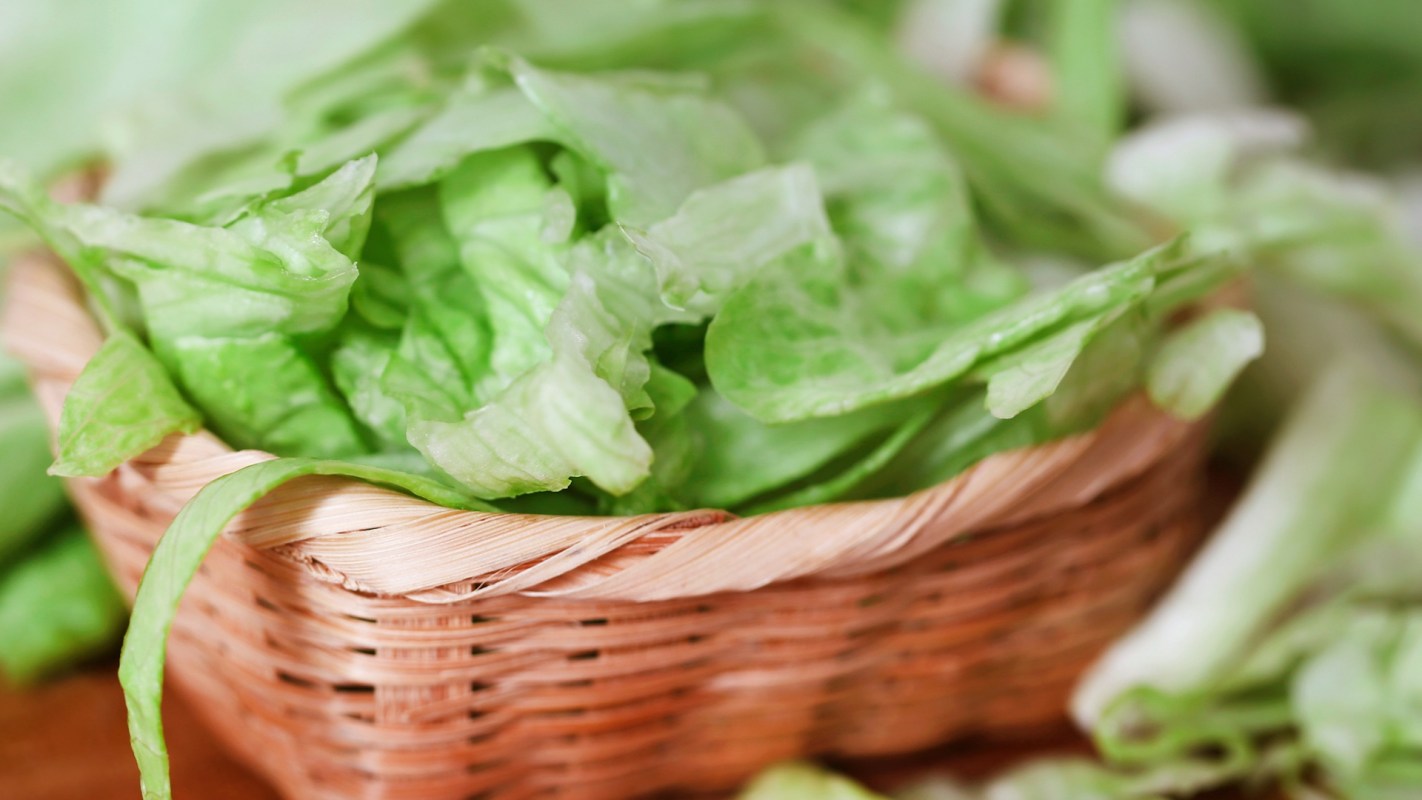
In nine states, investigators have connected many of the illnesses to shredded iceberg lettuce from Taylor Farms de Mexico, according to NBC News.
TCD Picks » Quince Spotlight
💡These best-sellers from Quince deliver affordable, sustainable luxury for all




More than a week ago, the company voluntarily recalled some lettuce distributed to Taco Bell restaurants, grocery stores, and food service suppliers.
Officials indicated that the latest numbers also needed some context.
Michigan chief medical executive Dr. Natasha Bagdasarian said around 475 recently logged cases came from a reporting delay at one healthcare system and may not represent a new jump in infections.
She said emergency room visits from patients complaining of diarrhea also seem to be falling, a trend that could mean the outbreak has already reached its peak.
Why does it matter?
Cyclospora can trigger long-lasting diarrhea and other gastrointestinal problems, and the full scope of the outbreak may be hard to pin down because people with milder symptoms might never be tested.
"I do have a big caveat," Bagdasarian said, adding that some health systems are restricting testing because labs are backlogged and supplies are limited.
Officials do not believe every case necessarily points to the same food item.
"There are a fair number of folks out there who have not reported eating lettuce or who have not reported eating at any particular fast-food restaurant," Bagdasarian noted.
In separate clusters, New York officials have examined cilantro, while North Carolina officials have looked at cilantro and parsley as possible sources.
Investigating food recalls is often complicated by long supply chains, inconsistent oversight, and weak traceability after products pass through growers, processors, distributors, and restaurants.
Jennifer McEntire, founder of Food Safety Strategy, explained that many products "move or change hands many times" and "go through numerous distribution centers [and] sometimes brokers."
That kind of distribution path can make contaminated food difficult to identify.
What's being done?
State and federal officials are still working to determine the source — or sources — behind the cyclospora outbreak.
Bagdasarian said Michigan has been issuing public health guidance, including advice to peel produce, cook it when possible, and remove outer layers to reduce risk.
She said, however, that tracing and testing contaminated food is ultimately the responsibility of federal agencies.
Experts say the two distinct waves of illness seen in Michigan may indicate either multiple contaminated batches or a wider contamination problem.
"If you have ongoing contamination of irrigation water or processing water, then you will see the outbreak going on," warned Barbara Kowalcyk, director of the Institute for Food Safety and Nutrition Security at George Washington University, per NBC News.
"There's still a lot that we don't know," Kowalcyk cautioned. "We still need increased capacity. We aren't investing enough in science. We're not investing enough in research."

Get TCD's free newsletters for easy tips, smart advice, and a chance to earn $5,000 toward home upgrades. To see more stories like this one, change your Google preferences here.







