


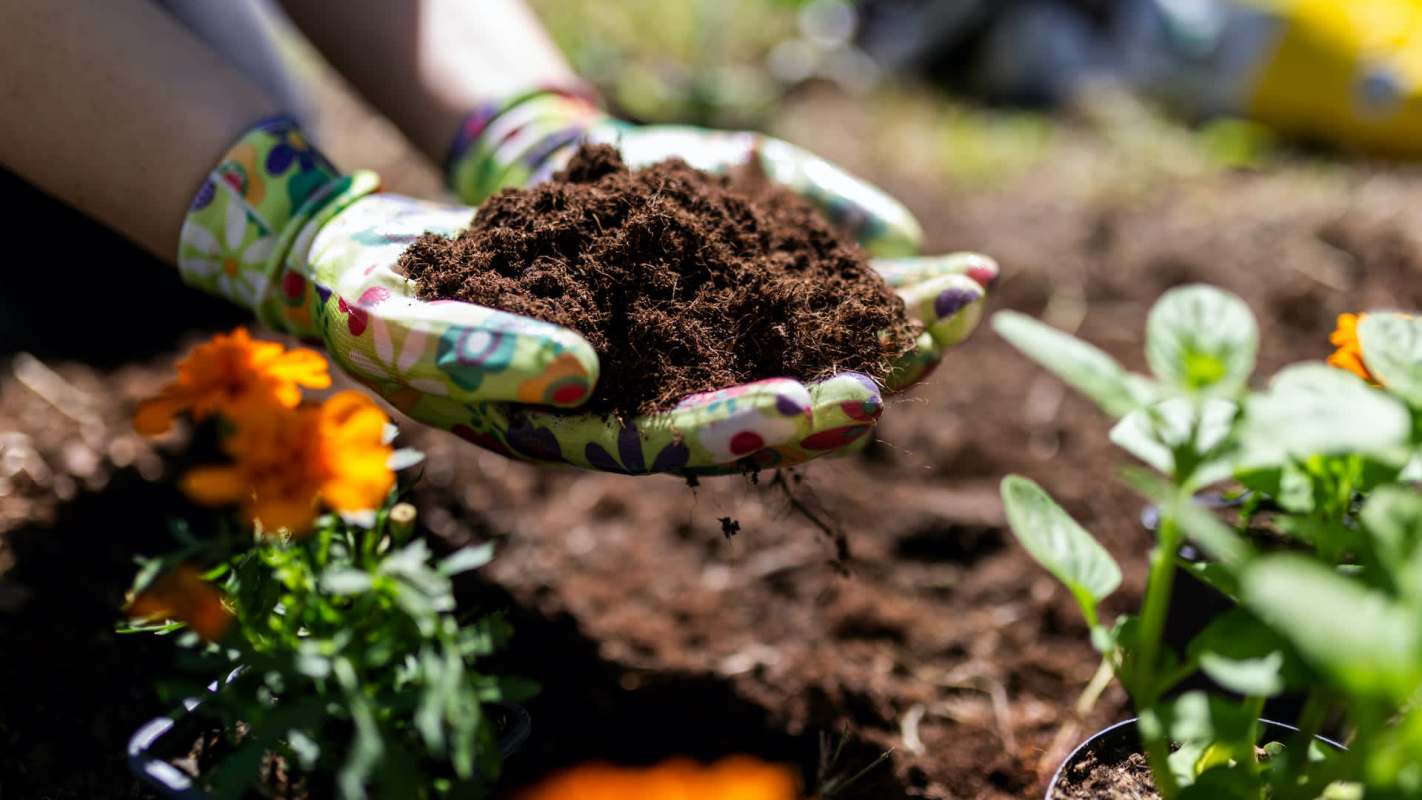
If a compost pile goes quiet during a summer heat wave, too much sun may be working against it. Intense hot weather can make the material dry and inactive instead of helping it break down. But experts have a fix that reintroduces moisture gradually and won't leave your pile waterlogged.
What's happening?
Summer temperatures can pull moisture out of backyard compost more quickly than many gardeners realize. As Homes & Gardens noted, once the pile dries excessively, microbial activity slows, the pile stops heating properly, and decomposition can take much longer than it should.
Michelle Balz, composting expert and author of Composting for a New Generation, said summer creates a tricky tradeoff, telling the magazine, "We want our compost to heat up, but very hot conditions can also dry out your compost."
Compost generally works best when it stays warm and evenly moist, with experts recommending a hot-compost range of 130 to 140 degrees Fahrenheit. "Ideally, your compost pile should be as wet as a wrung-out sponge," Balz said. "If you see it looking extra crispy, add some water or expose the pile to rain to speed up decomposition."
Just beware. If squeezing a handful causes water to run out, the pile has become too wet.
Why does it matter?
Healthy compost is one of the most affordable ways to improve soil. It can cut the need for store-bought fertilizer, help soil retain moisture, and support strong plants.
TCD Picks » Quince Spotlight
💡These best-sellers from Quince deliver affordable, sustainable luxury for all




Home gardening can help families lower grocery costs, enjoy fresher and better-tasting produce, and spend more time outdoors, which can benefit both mental and physical health.
A stalled compost pile means food scraps and yard waste are not breaking down efficiently, increasing the chances that organic material ends up in the trash instead of becoming a useful soil booster.
What can I do?
Start by moistening the pile in stages instead of soaking it all at once. Check the texture as you go. If it feels like a wrung-out sponge, it is in good shape. If it becomes soggy, let it dry before adding more.
Reducing direct sun exposure can also help the pile hold onto moisture. "You can also place your compost bin in the shade, or even bring it inside if possible," Scott Kent of Hungry Worms told Homes & Gardens. If the bin cannot be moved, a shade cloth or other cover may keep it from baking in direct sunlight.
Gardeners should also pay attention to what they add to the pile. Balz noted that summer can be challenging because dry "brown" materials often become scarce. "Since most home composters rely on fall leaves to balance out the nitrogen-heavy food scraps when composting, we often find our supply of leaves dwindling in the summer," she told Homes & Gardens.
Kent offered a practical suggestion, saying, "Whenever you add moisture, use cold water," while Balz noted, "You can use alternative sources of brown or carbon-heavy material including shredded newspaper, cardboard, sawdust, animal bedding, straw, or wood chips."

Get TCD's free newsletters for easy tips, smart advice, and a chance to earn $5,000 toward home upgrades. To see more stories like this one, change your Google preferences here.






