


When the power goes out for days, the line between a minor inconvenience and a major, costly disruption can come down to a single piece of equipment.
What happened?
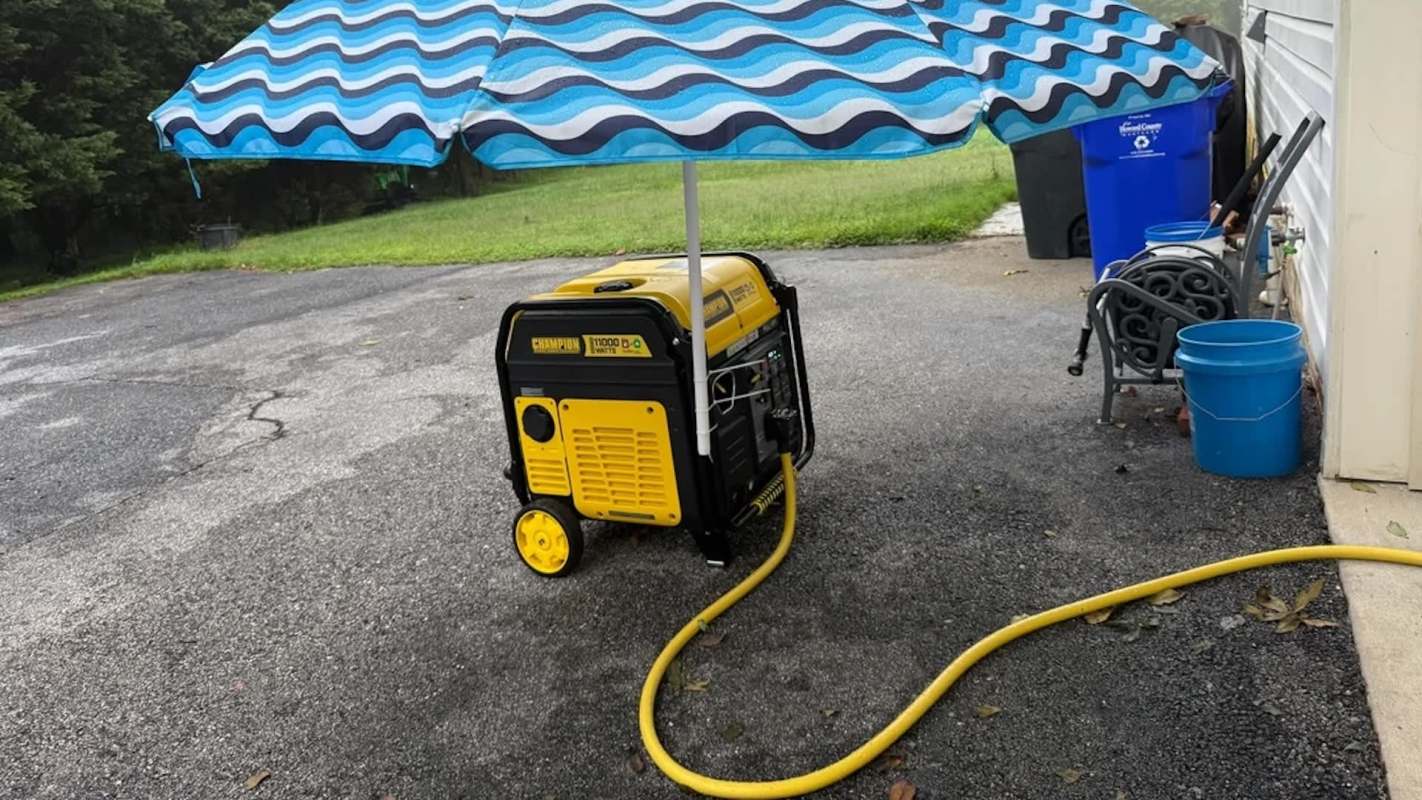
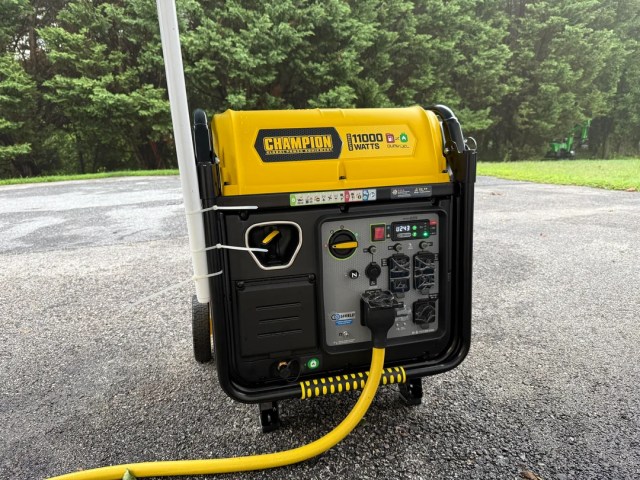
In a post on Reddit, one user described how a Champion generator performed during a multiday outage.
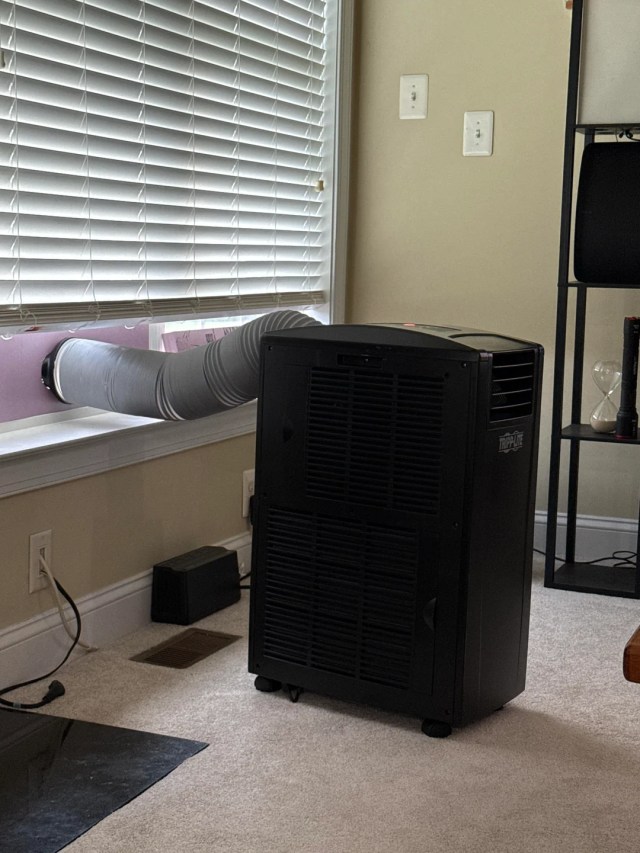
They wrote, "No power for the past 2 days and I only shut it off every 12 hours for refueling. It powers everything including well pump, microwave, coffee maker, Fridge, Freezer, etc. except for my AC which I ordered a soft start so that we can use that as well. We are using a 1.5T portable AC for now."
Rain protection also caught readers' attention.
The generator was shown with a beach umbrella secured to it with zip ties as a makeshift cover, and one commenter wrote, "Honestly the biggest nugget of gold is the zip tied umbrella. I can't believe I didn't think of this."
Other users said they had used the same generator, or similar models, to power much of their homes, particularly when paired with a soft-start device designed to reduce the startup surge from central air systems.
TCD Picks » Quince Spotlight
💡These best-sellers from Quince deliver affordable, sustainable luxury for all




Why does it matter?
For households that rely on a well, losing power can also mean losing water pressure, refrigeration, and cooling all at once.
A generator capable of keeping a well pump, fridge, freezer, and basic kitchen appliances running for two days could help a family avoid spoiled food, bottled water, takeout meals, and even hotel stays during a summer blackout.
The homeowner said the unit cost "$1900 shipped from Amazon," a significant upfront expense.
For people living in outage-prone areas, that one-time purchase can be weighed against repeated emergency spending and the cost of going without essential services.
Noise level is another important factor, especially in neighborhoods where backup power may be needed overnight.
When another commenter asked whether the generator was loud, the original poster replied, "Not at all. I can carry a conversation standing next to it. I believe it's rated at 64dB."
What can I do?
If you are considering backup power, start by listing the appliances and systems you need during an outage, such as refrigeration, lights, internet, water, and perhaps one source of cooling. That can help you avoid overspending on a larger generator than necessary while still keeping the essentials covered.
A soft-start device may also be worth considering if running central AC is the main goal.
As one commenter explained, "They will help reduce the inrush jolt of current needed by the condenser when starting up."
That can make it possible to use an existing air-conditioning system on backup power without needing to upgrade to a much more expensive generator.
In the same discussion, another user said a portable battery station kept their fridge and freezer running during a shorter outage, while others praised tri-fuel models that can run on natural gas and reduce the need for constant refueling.

Get TCD's free newsletters for easy tips, smart advice, and a chance to earn $5,000 toward home upgrades. To see more stories like this one, change your Google preferences here.






