


A utility dispute in a small West Virginia city is raising a major concern for residents after a power plant wants to stop using city water. The tension comes because taxpayer money funded the improvements needed for the power plant to access water.
If the power plant stops buying water from the local system, household bills could go up.
Residents turned out for a public hearing in Shinnston on Monday, hoping to learn more about what that could mean for the city.
What happened?
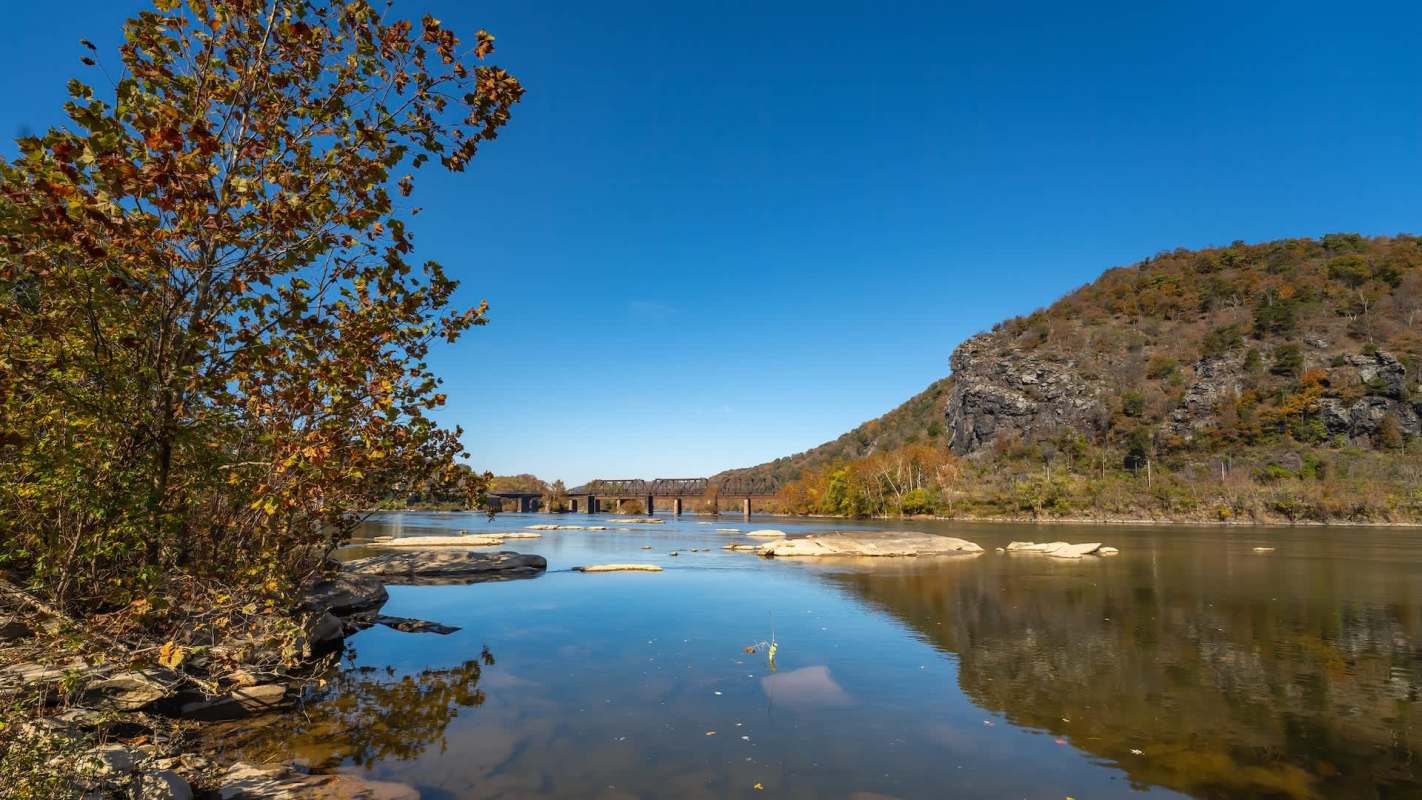
For more than 50 years, Mon Power's Harrison Power Station has gotten its water from the Shinnston Municipal Water Authority. Now, WDTV reported, the company is considering taking water directly from the West Fork River.
Mon Power said using the river could cost only about half of what it now pays the Shinnston system. Because the plant is one of the authority's largest customers, losing that business could push more of the system's costs onto other users.
Shinnston Mayor Patrick Kocalck said Mon Power brings in about 40% of the water authority's revenue, per WDTV. He also said the city is still paying bond debt tied to upgrades made about 20 years ago for the power plant, which makes the possible change especially worrisome.
TCD Picks » Quince Spotlight
💡These best-sellers from Quince deliver affordable, sustainable luxury for all




"We've done a lot of upgrades to that end of town with additional tanks and bigger water lines for the benefit of the power plant," Kocalck said. "This was done 20 years ago, and we're still paying on the bonds that that expense caused."
People who went to Monday's meeting left without a clear sense of what comes next for the water system, including whether their water bills could increase sharply.
Why does it matter?
Water bills are already another necessary expense alongside groceries, rent, and electricity. When a utility loses a major industrial customer, the financial strain can shift to residential ratepayers, especially in smaller communities with fewer customers to absorb fixed costs.
The situation highlights how heavily some towns depend on large industrial facilities for revenue stability. If that relationship changes, the effects can ripple through local budgets, infrastructure planning, and debt obligations.
Coal and natural gas power plants contribute to air and water pollution linked to asthma, heart disease, cancer, and premature death, while also keeping energy costs high for households that remain tied to fuel-based systems instead of increasingly abundant energy sources such as sunlight and wind. Industry lobbying can also slow cleaner, cheaper energy solutions that would better protect families and lower costs.
What's being done?
Both sides have said they want to continue trying to work out a solution. The dispute is still unresolved, and more negotiations could follow.
For city leaders, the challenge is to protect the water authority's finances while preparing for the possibility that Mon Power could pursue a different water source. That could mean more public meetings, additional rate discussions, and closer attention to how bond debt and infrastructure costs are managed.

Get TCD's free newsletters for easy tips, smart advice, and a chance to earn $5,000 toward home upgrades. To see more stories like this one, change your Google preferences here.






