


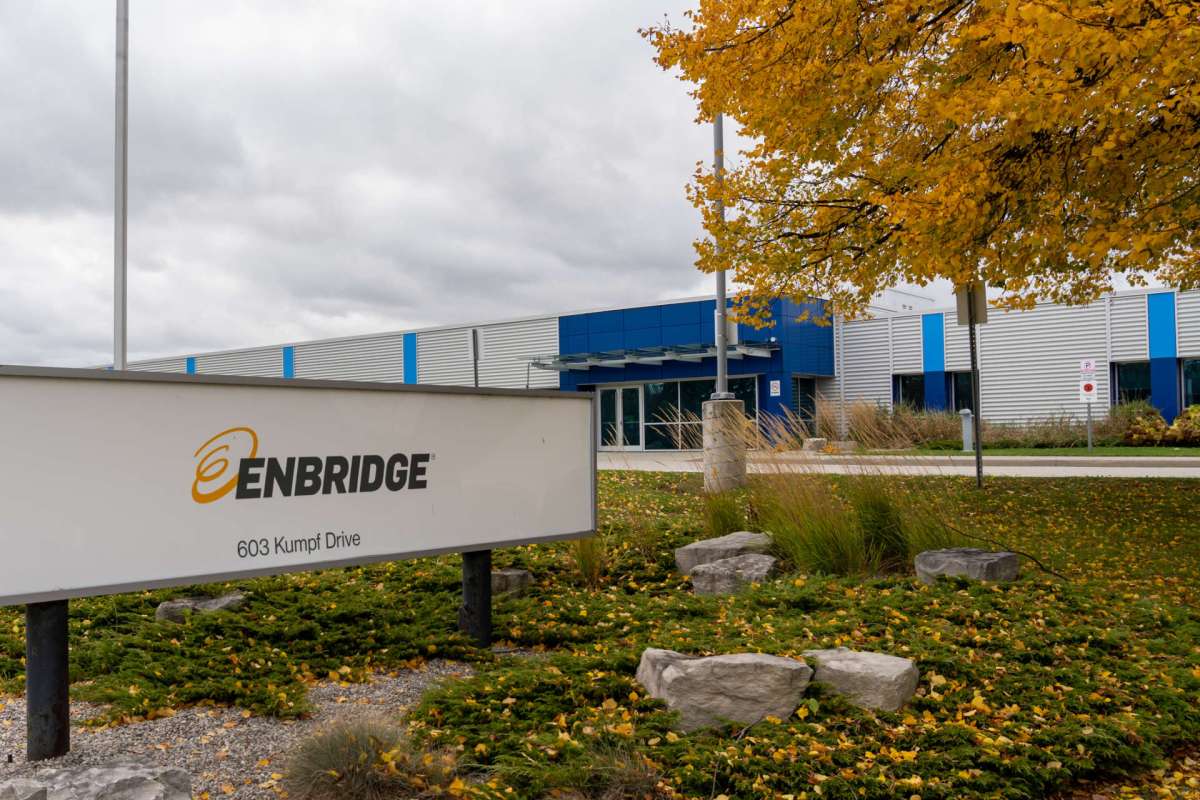
Wisconsin regulators' decisions on four Line 5 water crossings are now at the center of another court fight, with the Bad River Tribe and environmental organizations challenging approvals related to Enbridge's reroute.
What happened?
After the Wisconsin Department of Natural Resources cleared parts of Enbridge's Line 5 reroute, the Bad River Tribe, Clean Wisconsin, 350 Wisconsin, and the League of Women Voters of Wisconsin filed suit in Ashland County Circuit Court.
Their challenge focuses on a permit for Beartrap Creek and exemptions for work at Little Beartrap Creek, Bay City Creek, and an unnamed tributary to the Brunsweiler River.
As Wisconsin Public Radio reported, the plaintiffs say Enbridge lacked the adjacent land ownership needed to carry out work at those crossings.
This case comes after a May ruling in Bayfield County that allowed construction on most of the 41-mile reroute but stopped it at these four waterways.
Midwest Environmental Advocates said Enbridge then pursued what it describes as a workaround by obtaining ownership interests at three of the four sites.
TCD Picks » Quince Spotlight
💡These best-sellers from Quince deliver affordable, sustainable luxury for all




Line 5 moves up to 23 million gallons of oil per day from Superior, Wisconsin, across northern Wisconsin and Michigan to Ontario.
The reroute proposal came after the tribe sued in 2019 to shut down the pipeline on tribal lands.
Why does it matter?
Because the reroute would affect roughly 200 waterways and nearly 100 acres of wetlands, opponents have warned about spill risks, habitat disruption, and threats to the region's water.
Concerns are heightened by Enbridge's spill history, with critics citing the June 27 release of up to 1,900 gallons of drilling fluid. They argued that even one accident could harm drinking water, fishing, and ecosystems.
Oil pipelines are one part of an energy system that can harm people and communities, while coal and natural gas power plants contribute to air and water pollution linked to asthma, heart disease, cancer, and premature death.
The system can also keep household energy costs high when families remain dependent on fuels with volatile prices instead of increasingly abundant energy from sunlight and wind.
Industry lobbying can further slow the adoption of cleaner, more affordable energy solutions that could better protect families and lower bills.
The case also raises questions about tribal sovereignty and accountability. In 2023, U.S. District Court Judge William Conley ordered Enbridge to pay $5.15 million for trespassing on about 2 miles of tribal land and to shut down or reroute the pipeline around the Bad River reservation.
What's being done?
The broader Line 5 dispute remains in the courts. In this case, the plaintiffs want a judge to examine whether the state lawfully let Enbridge proceed at the four contested waterways, while appeals from both the tribe and Enbridge in the earlier federal case keep the larger fight unresolved.
Peg Sheaffer of Midwest Environmental Advocates said the new lawsuit shows the project's legal problems persist.
"Despite Enbridge's repeated attempts to overcome these legal barriers, their Line 5 proposal continues to run afoul of Wisconsin law," she said.

Get TCD's free newsletters for easy tips, smart advice, and a chance to earn $5,000 toward home upgrades. To see more stories like this one, change your Google preferences here.






