


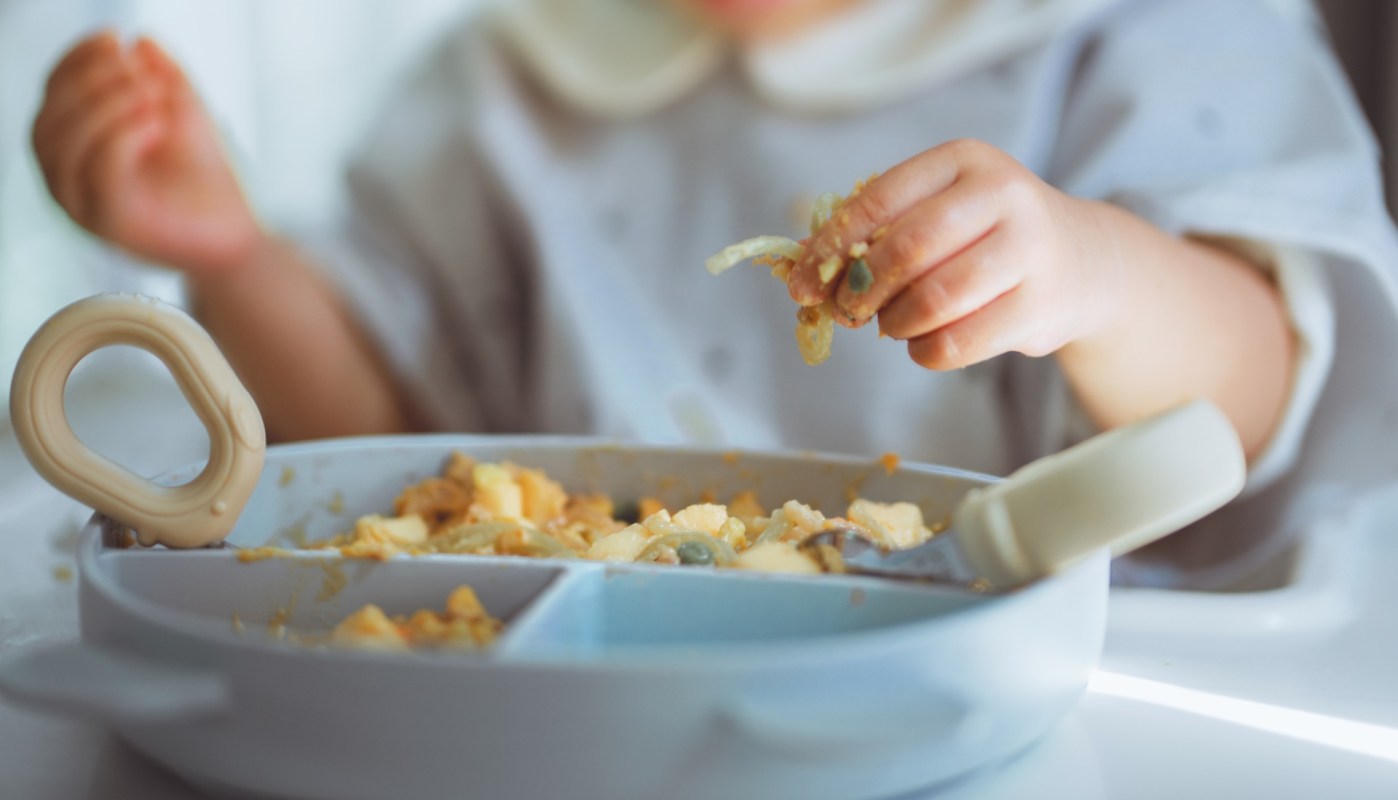
Foods marketed to toddlers may look convenient and child-friendly on grocery store shelves, but new research has suggested many come with a nutritional tradeoff.
What's happening?
As CNN reported, a review of nearly 2,800 toddler food products found that more than four in five sold in the United States are ultraprocessed, while almost half failed to meet at least one World Health Organization benchmark for young children.
The preliminary findings presented at the American Society for Nutrition's annual meeting examined 2,783 items aimed at children aged 6 months to 36 months old across 21 grocery stores in Austin, Texas.
Erin Hudson, a postdoctoral researcher in the department of pediatrics at Children's Hospital Los Angeles, and her team excluded infant formula, drinks, and purees before analyzing labels for sugar, sodium, fat, calories, and additives.
"We wanted to know what parents were seeing when they went to the grocery store," Hudson said, according to CNN. "The answer is over 80% of the products are ultraprocessed."
Researchers found that products failing WHO sugar standards were about four times more likely to be classified as ultraprocessed. Nearly a quarter contained more sodium than recommended, while others were high in fat and calorie-dense.
TCD Picks » Quince Spotlight
💡These best-sellers from Quince deliver affordable, sustainable luxury for all




Examples included fruit pouches and oat bars with high sugar levels, along with ready-made mac and cheese bowls, turkey sausages, and peanut butter puffs flagged for sodium, fat, or both, the researchers said.
Why is this concerning?
CNN cited research from the American Academy of Pediatrics revealing that a child's earliest 1,000 days are considered a critical window for brain development, growth, and long-term health.
Experts have also said early childhood is when taste preferences begin to take shape, meaning repeated exposure to very sweet or salty foods can influence what children want to eat later.
Jane Houlihan, research director for Healthy Babies Bright Futures, said the larger issue is what these foods may be replacing in a toddler's diet.
"A toddler who fills up on fruit snacks, sweetened yogurt, crackers and snack bars is likely to eat fewer whole grains, vegetables, beans and other healthier foods," she said in an email to CNN.
Packaging can make products seem wholesome even when they contain added sugars or cosmetic additives.
What can I do?
Hudson advised checking nutrition labels for added sugar and saturated fat while scanning ingredient lists for signs of ultraprocessing, including natural and artificial flavors, gums, carrageenan, and fruit juice concentrate.
Marissa Burgermaster, a UT Austin nutritional sciences professor and the study's senior author, said families do not necessarily need toddler-specific packaged foods once a child can chew.
"Kids can eat whatever healthy foods and snacks the family is eating — just chop or mash it up," Burgermaster said, per the outlet.
The FDA proposed a front-of-package labeling rule in 2025 for most packaged foods, though CNN noted that items marketed to children under 4 would currently fall outside it.
Meanwhile, the Consumer Brands Association has pushed back, telling CNN that there is still no single universally accepted scientific definition of ultraprocessed food.
"Until stronger standards are in place, choosing and preparing simpler, less processed foods is one of the best ways to stack the odds in a toddler's favor," Houlihan concluded.

Get TCD's free newsletters for easy tips, smart advice, and a chance to earn $5,000 toward home upgrades. To see more stories like this one, change your Google preferences here.







