


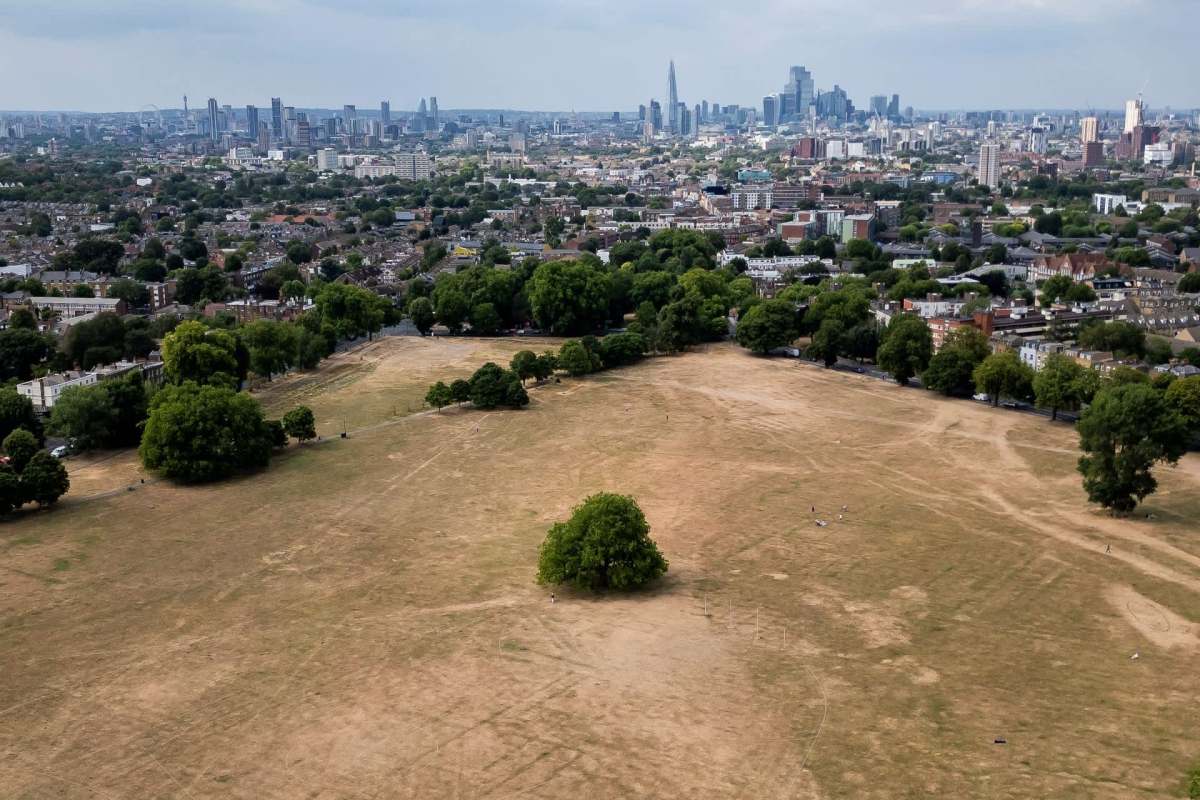
England has officially entered a major drought phase. Phys.org reported that declarations are now covering more than half the country after a record-dry July and another punishing heat wave.
What's happening?
Government figures released Wednesday show that drought status now applies to 51.4% of England.
The seven regions affected include London, East Anglia, southwest England, and the West Midlands, as reported by Phys.org.
The declaration follows an extraordinarily parched July. The Environment Agency said rainfall reached just 7% of the usual national level, with some parts of southern England receiving only 1%.
According to the Environment Agency, the conditions amount to a "flash drought" that developed quickly as unusually high temperatures combined with extremely low rainfall.
England is in its fourth widespread heat wave of 2026. For some areas, this is the second summer in a row with drought conditions.
TCD Picks » Quince Spotlight
💡These best-sellers from Quince deliver affordable, sustainable luxury for all




In announcing the declaration, the Environment Agency warned, "Rivers are running low, farmers are having to harvest crops early, wildfire risk is increasing, and millions of people are living under restrictions on water use."
Why is this concerning?
A drought on this scale can bring less flexibility for farmers and added stress on fish, plants, and other wildlife that depend on healthy rivers.
As extreme weather events become more frequent, they raise wildfire risk and put pressure on food and water systems. That can create serious public health risks for everyone and especially for older adults, children, and outdoor workers.
Repeated heat waves speed evaporation and can make it much harder for landscapes and waterways to recover, even when rain eventually returns.
Updated June data released this week showed that both England and the U.K. set a new daily temperature high for the month at 100 degrees Fahrenheit.
What's being done?
On Tuesday, members of the National Drought Group gathered to review drought impacts across England along with preparedness and response plans. The body includes meteorological officials, government representatives and ministers, regulators, water companies, farmers, and others involved in managing drought.
As Helen Wakeham, the Environment Agency's director of water and chair of the National Drought Group, said in a statement, per Phys.org, "The hot and dry weather means we are currently using water faster than nature can replenish it."
In some areas, water use restrictions are affecting millions of people.

Get TCD's free newsletters for easy tips, smart advice, and a chance to earn $5,000 toward home upgrades. To see more stories like this one, change your Google preferences here.






