


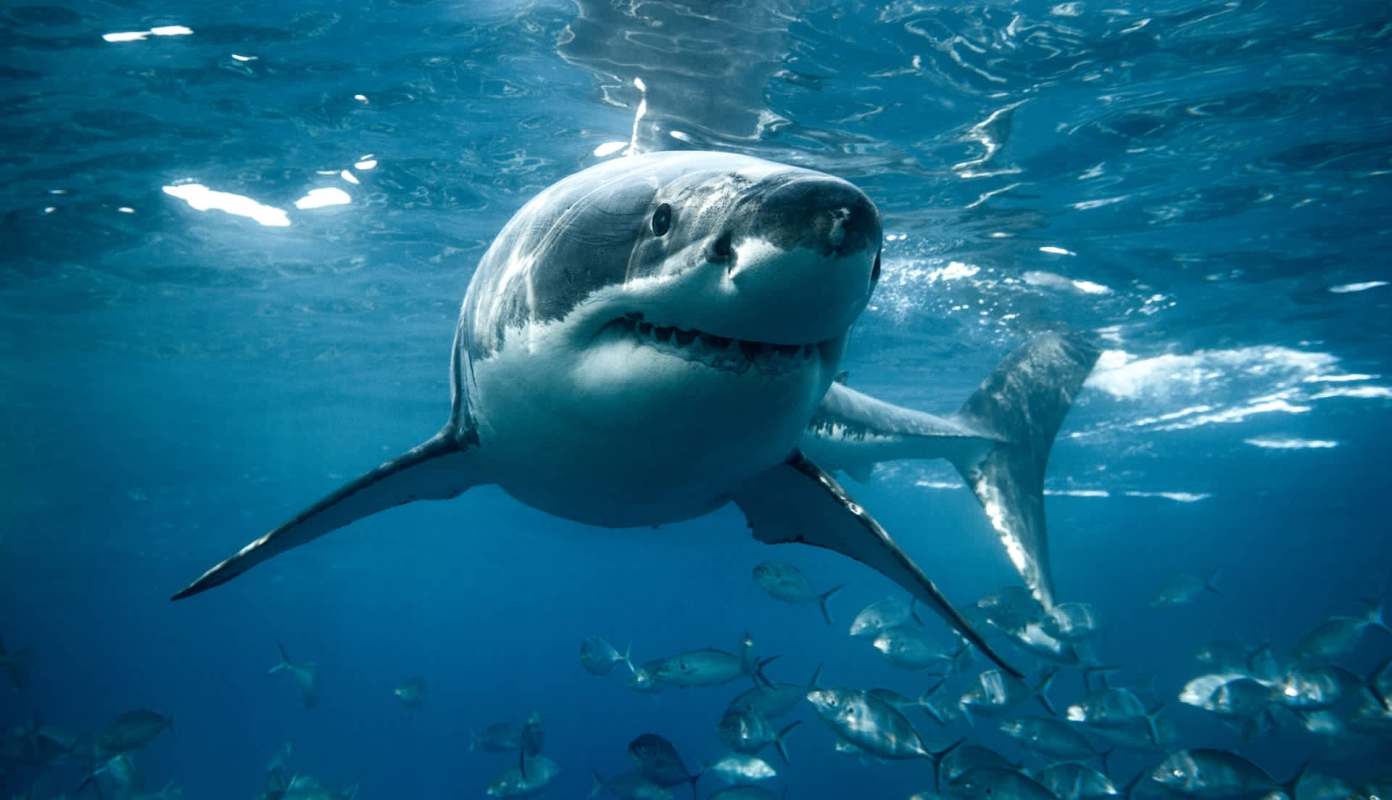
On June 13, cries of "shark" broke out near Sydney's Coogee Beach. Instead of turning away, 25-year-old competitive paddleboarder Charlie Verco made the kind of split-second choice many people would avoid and headed straight toward the danger.
That decision placed Verco in the middle of a violent shark attack, and he ultimately helped get a badly injured woman to safety, according to Paddling Mag.
What happened?
While training on an 18-foot board for the Moloka'i 2 O'ahu Paddleboard World Championship, Verco heard people on the beach raise the alarm. His first thought was that he could help nearby swimmers get out of the water before the situation escalated.
"I thought that I was going to go over there, the shark was going to realize they're not food, I would get them on my board, there'd be a little bit of panic and everyone would get to the beach just fine," Verco said in an interview on the Straight Talk with Mark Bouris podcast.
But the encounter quickly turned far more serious. In an interview with CBS News, Verco said, "I saw the shark come out of the water, and just the size of it shocked me."
A Coogee Beach lifeguard told CBS the shark was about 11 feet long.
TCD Picks » Quince Spotlight
💡These best-sellers from Quince deliver affordable, sustainable luxury for all




Later identified as 35-year-old Leah Stewart, the victim resurfaced after being dragged underwater. When Verco reached her, he told her to grab his board and paddled toward shore, where bystanders helped pull her from the water. Stewart was hospitalized in critical condition and is recovering after multiple surgeries.
Why does it matter?
The University of Florida's International Shark Attack File data suggests that yearly attack totals are heavily influenced by how many people are in the water. That means rising beach use, recreation, and other human activity can increase the odds of encounters even when shark behavior itself has not changed much.
That overlap reflects a wider pattern scientists have observed in human-wildlife conflict. Many attacks happen when people and animals are pushed into closer contact in shared spaces.
What can I do?
Experts have said shark attacks on paddlers and kayakers are rare, but there are several practical ways to reduce risk, such as avoiding areas with blood in the water or active commercial fishing, staying away from large schools of fish, and trying not to create excessive splashing.
Going out with a buddy can also help, whether you are swimming, surfing, or paddling. Having other people nearby can improve visibility, speed emergency response, and reduce the chance of being isolated during a dangerous encounter. Verco said that Stewart was doing all of the right things, but that doesn't completely eliminate the risk.
Reflecting on his background in surf lifesaving, Verco said the Australian junior surf program Nippers taught him how to assess risks and remain calm in the water. Once ashore, medical professionals applied tourniquets to her injuries before she was transported to the hospital.
Verco later summed up the tension of the moment when he was in the water with the shark right in front of him, saying, "All I want to do is go to the beach, but I felt compelled and felt like I had a bit of responsibility."
He also reflected on a lesson that stayed with him long after the attack: "You also can't help anyone else until you are confident enough in the water to look after yourself."
If you'd like to support Stewart on her long road to recovery, her family started a GoFundMe to help pay for medical bills.

Get TCD's free newsletters for easy tips, smart advice, and a chance to earn $5,000 toward home upgrades. To see more stories like this one, change your Google preferences here.







