


Toyota once dominated the green-car image with the Prius, before Tesla became the brand most associated with fully electric driving.
Fresh trade-in data now suggests the picture may be changing again, as some Tesla owners reportedly opt for Toyota hybrids for everyday use.
What's happening?
Among shoppers trading in a Tesla, Toyota has become the most common next purchase among Tesla owners, according to Forbes.
Edmunds says Toyota represented 6.9% of Tesla trade-in purchases in the second quarter of 2021, ranking seventh, and 17.3% in the second quarter of 2026, enough to take the top spot.
Jessica Caldwell, head of insights at Edmunds, said, "Toyota is the clear top beneficiary here when we look at Tesla trade-ins to dealerships, with hybrids emerging as the fastest-growing category among Tesla defectors."
Former Tesla owners are also much less likely than before to replace their cars with another EV.
TCD Picks » Quince Spotlight
💡These best-sellers from Quince deliver affordable, sustainable luxury for all




In Q2 2026, hybrid purchases among ex-Tesla drivers hit a record 20.5%, while the share choosing another electric vehicle fell to 22%, down from 40.2% a year earlier.
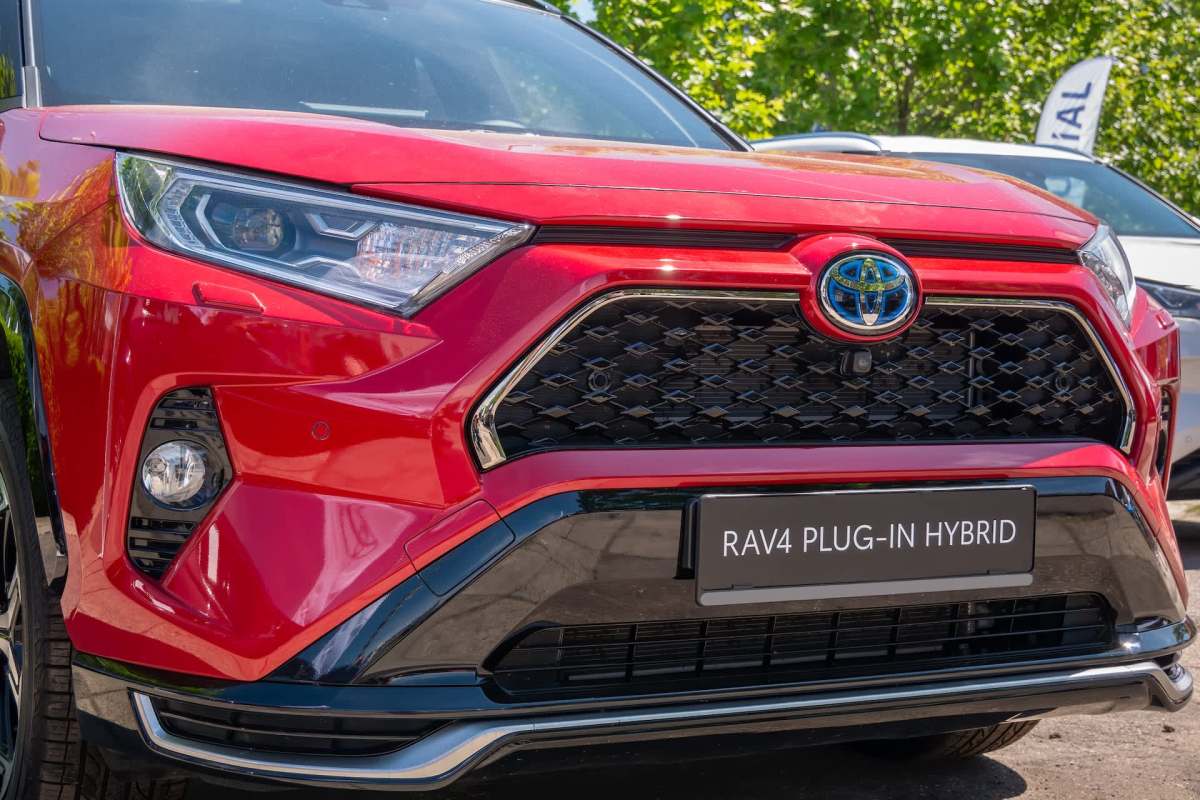
Much of that momentum appears to center on the RAV4, especially now that the 2026 model comes only as a hybrid or plug-in hybrid.
Plug-in versions offer up to 54 miles of all-electric range, and the vehicle already sells in huge numbers: Toyota moved 479,288 RAV4s in the U.S. in 2025, compared with about 357,000 Model Ys.
Why does it matter?
The figures point to demand for lower fuel use without full reliance on public charging.
For households that want some electric driving but also need flexibility for road trips or apartment living, a hybrid or plug-in hybrid can feel like a practical middle ground.
If more drivers are trading in Teslas while fewer are choosing another EV, that could put pressure on trade-in demand and make it harder for some customers to get the offer they want when it is time to switch vehicles.
Toyota's popularity brings its own complication for buyers: strong demand. Some dealerships reportedly have RAV4 waitlists in the hundreds, meaning shoppers looking to leave one vehicle behind may not be able to replace it right away.
What's being done?
Rather than betting on one powertrain, Toyota is expanding across several electrified options.
The redesigned RAV4 drops the traditional gas-only version, and the Camry hybrid is gaining strength too, with year-to-date sales through June at 179,033, up from 155,289 in 2025.
Toyota is also making progress with fully electric models.
Cox Automotive identified Toyota and Subaru as notable second-quarter standouts, saying, "Both brands doubling their EV volume year over year. Toyota, in particular, has emerged as an increasingly significant player and now ranks among the top five EV sellers in the U.S. market."
That growth showed up clearly in the quarterly totals: Toyota's U.S. EV sales reached 11,826 in Q2, a 225% increase from a year earlier, while Toyota bZ sales rose 106.8% to 7,524.
Charging access, commute length, fuel costs, and availability remain key factors in choosing among an EV, hybrid, and plug-in hybrid. A full EV may still be the right move for many drivers, but Toyota's recent gains suggest more consumers are looking for options in between.
Caldwell summed up the current shift this way: "When Tesla owners walk into traditional dealerships, they're increasingly moving away from pure EVs — at least for now."
In her words, "For now, hybrids are exactly where these shoppers are landing."

Get TCD's free newsletters for easy tips, smart advice, and a chance to earn $5,000 toward home upgrades. To see more stories like this one, change your Google preferences here.






