


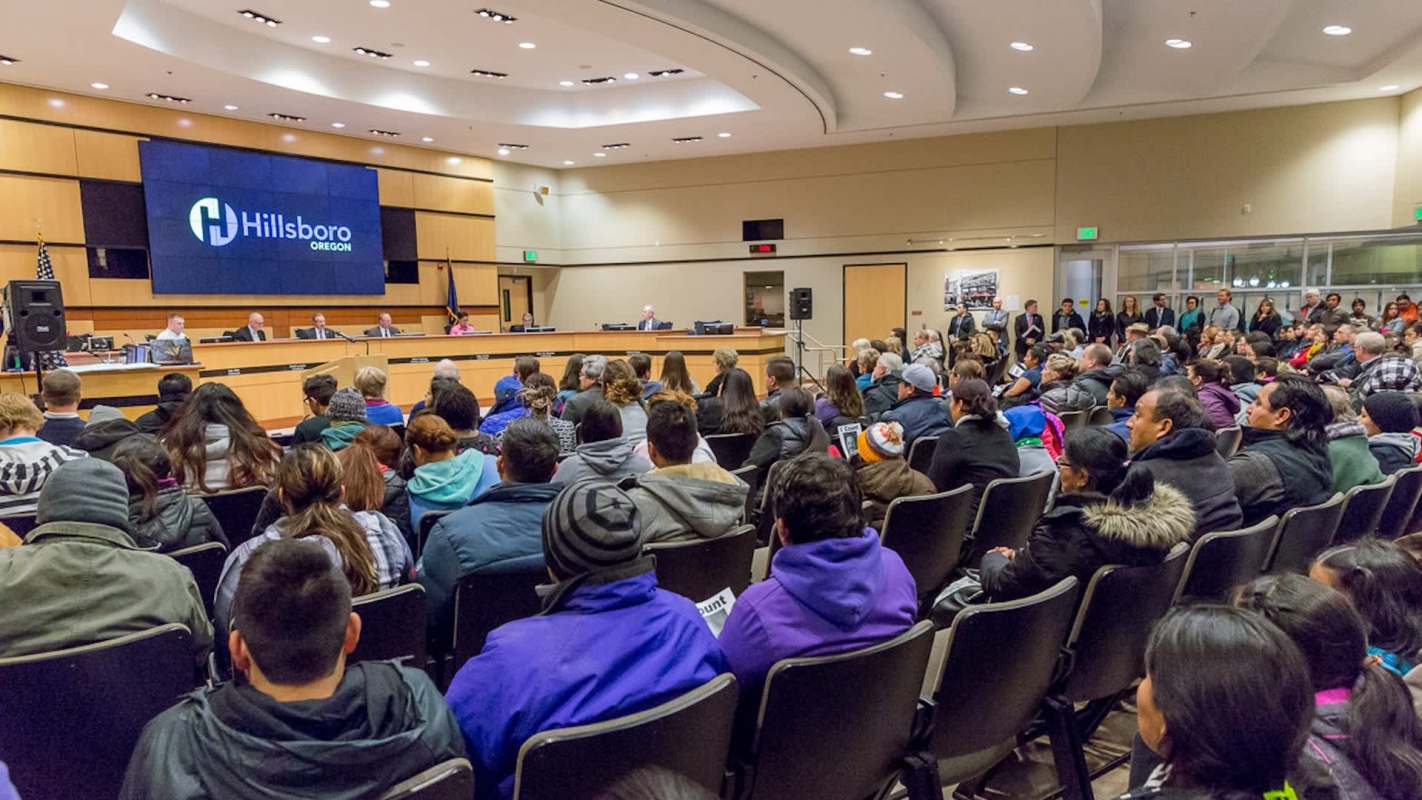
One of Oregon's largest tech hubs and part of the state's so-called "Silicon Forest" is putting a temporary pause on the construction of new data centers and battery storage sites.
The Hillsboro City Council has approved a 120-day moratorium on new data centers and battery energy storage projects following at least one lawsuit and rising concern from residents who want a closer look at the local impacts.
What happened?
According to KGW, the city moved ahead with a temporary pause this week after broader community pushback over how quickly the large, energy-hungry facilities have been spreading.
While these facilities are often pitched as essential digital infrastructure, their presence can also raise difficult questions about land use, electricity demand, water consumption, and how much nearby communities actually gain when big corporate tax breaks are part of the equation.
Rather than acting as a permanent prohibition, the moratorium is intended to create time for the city to review whether zoning, incentives, and public-safety planning are keeping pace with the growth.
During the moratorium, city officials will be looking into not just one or two types of projects, but also at a broader wave of energy-intensive industrial development.
TCD Picks » Quince Spotlight
💡These best-sellers from Quince deliver affordable, sustainable luxury for all




Why does it matter?
As the role that cloud-computing services and artificial-intelligence tools play in our daily lives has expanded, so has the demand for the massive data centers that make them possible.
While AI technology can offer real benefits, including helping utilities forecast demand, improve grid operations, and manage clean energy more efficiently, it does not come without a cost.
For example, AI systems rely on massive computing power, which can drive up electricity use, require significant amounts of cooling water, and raise fresh concerns about security, misuse, and unintended economic effects, such as the potential for an AI financial bubble.
Meanwhile, residents may feel the effects of large projects through greater utility demand, construction traffic, noise, emergency planning needs, and competition for land.
Large-scale battery-storage projects present a similar tension. Though battery storage can help stabilize the grid and support more renewable energy, communities have pushed back, citing concerns over land use, fire safety, and oversight.
What's being done?
During the 120-day pause, the city council will be taking a closer look at how large-scale developments like data centers should be managed, giving planners and elected officials time to review issues related to zoning, infrastructure capacity, tax incentives, and emergency preparedness.
The moratorium also will give local residents who felt projects were moving too quickly additional time to weigh important considerations such as where facilities should be located, what community benefits should be required, and how transparent the approval process should be.
As for the companies seeking to build data centers and battery-storage facilities in Hillsboro, Oregon, the pause could provide a chance to make a stronger case for their projects. Companies may need to show how they will manage power use, reduce water demand, improve efficiency, and address neighborhood concerns.
Regardless of the outcome, the data-center moratorium in the heart of the "Silicon Forest" reflects larger questions about who will benefit from AI-era infrastructure and who will bear the costs.

Get TCD's free newsletters for easy tips, smart advice, and a chance to earn $5,000 toward home upgrades. To see more stories like this one, change your Google preferences here.






