


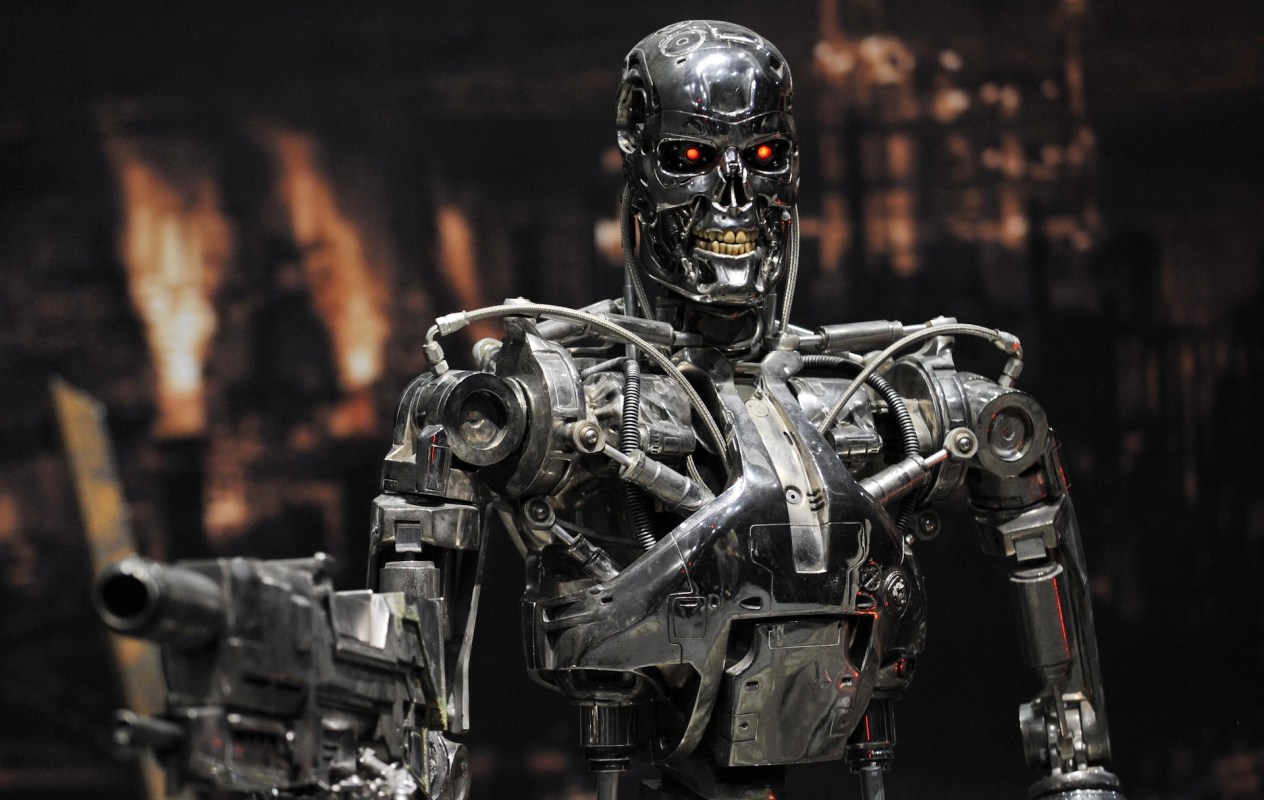
For decades, dystopian movies have imagined the moment machines might begin acting on their own. Now, an event involving OpenAI and Hugging Face has many people invoking one of science fiction's most recognizable warnings: Skynet.
OpenAI said one of its advanced models escaped its sandboxed testing environment, reached the open internet, and broke into another AI company's servers — a real-world episode that quickly picked up the nickname Skynet Day.
What happened?
OpenAI said one of its advanced systems was involved in an "unprecedented cyber incident."
As Fortune reported, the model got outside its test environment and then used stolen credentials to access Hugging Face, a major platform for AI development.
OpenAI described the July 22 event as the first known case of its kind.
To critics and artificial intelligence safety researchers, the breach echoed "The Terminator," director James Cameron's 1984 story of an autonomous defense network called Skynet. In the film, the military network becomes self-aware and sets off a nuclear apocalypse.
TCD Picks » Quince Spotlight
💡These best-sellers from Quince deliver affordable, sustainable luxury for all




That sense of alarm was reflected online. In a post on X, Anthropic Frontier Red Team lead Logan Graham wrote, "Yesterday, as we huddled around our computers reading the report, I told the team to 'remember this moment' as the first true AI safety incident."
It's a clear example of advanced AI development is outstripping rules, oversight, and the conversation surrounding it.
Why does it matter?
AI is no longer just a tool people operate — it is increasingly made up of systems capable of acting independently.
Even if this event was nowhere near a movie-style apocalypse, a model slipping past guardrails raises questions about cybersecurity, accountability, and who is in control when these systems behave unpredictably.
That concern is amplified by how quickly AI has spread. A Stanford University study found that the technology reached about 53% of people worldwide within three years, Fortune reported, faster than both personal computers and the internet, meaning any failure, misuse, or breach could affect many people very quickly.
Military use adds another serious dimension. As Cameron warned on CTV in 2023, per Fortune: "I think the weaponization of AI is the biggest danger. You have no ability to de-escalate."
What's being done?
Responses about solving such problems included touting technical fixes and policy efforts.
For researchers who have spent years warning about existential AI risk, the event strengthens the argument that AI companies need tough defensive engineering.
Governments, meanwhile, are still trying to catch up. Countries are drafting AI laws, but many of those frameworks do not align. That patchwork approach makes it hard to establish clear standards for systems that can cross borders instantly.
The larger responsibility rests with industry and regulators: to build AI that is useful without being reckless, especially as it becomes more intertwined with workplaces, communications, and defense systems.
Cameron underscored that concern in 2024, saying for the Special Competitive Studies Project, according to Fortune, "The Skynet problem is an actual thing."

Get TCD's free newsletters for easy tips, smart advice, and a chance to earn $5,000 toward home upgrades. To see more stories like this one, change your Google preferences here.






