


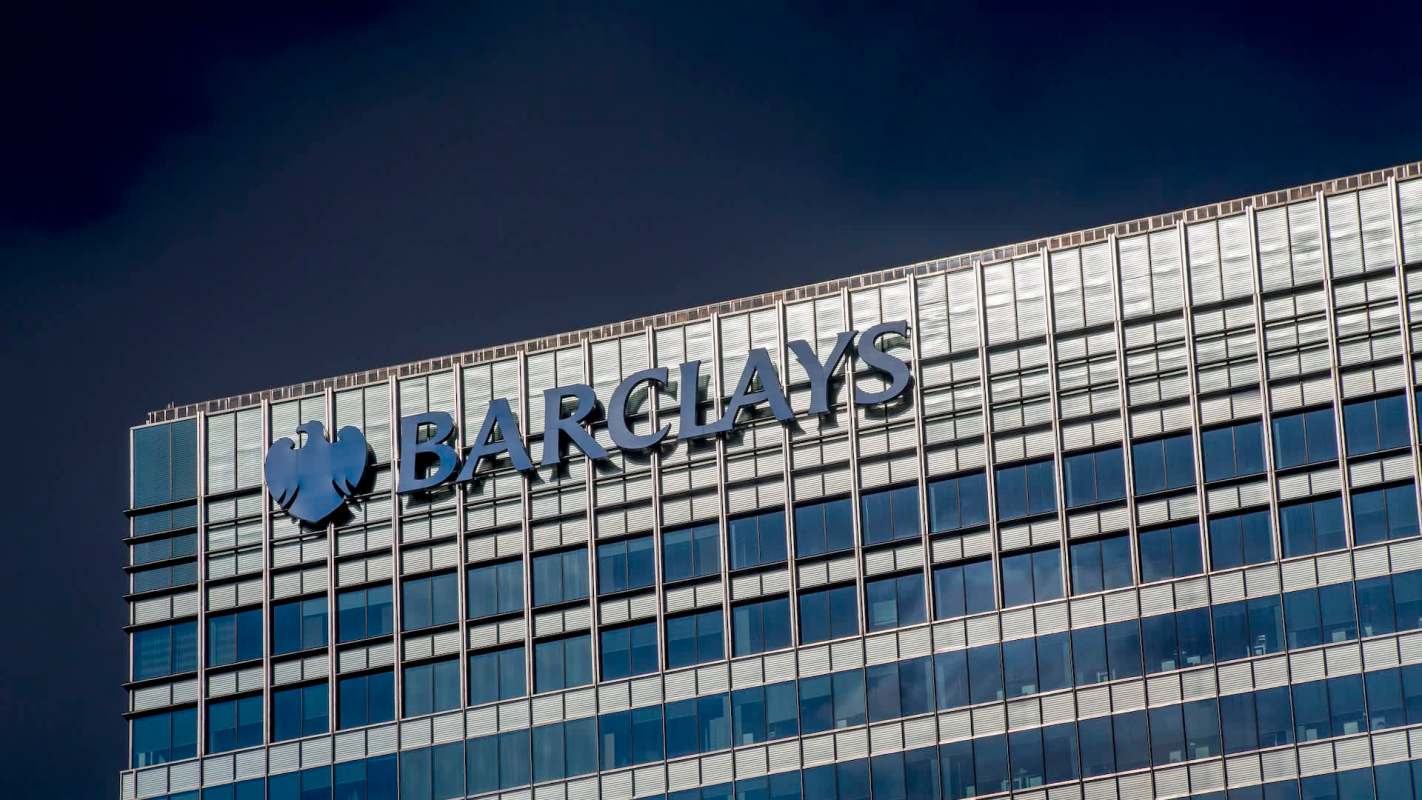
A Barclays note to investors about possible gains from the next El Niño cycle prompted backlash as experts warned the weather pattern could deepen food shortages and drive grocery prices even higher.
That reaction was intensified by Barclays' own record. The bank has been identified as a major backer of fossil fuel expansion, the same activity making extreme weather more severe and dangerous.
What's happening?
According to The Bureau of Investigative Journalism, Barclays sent clients a research note earlier this month laying out what it described as an "El Niño trade."
"For investors, a very strong El Niño should be viewed as a source of market dispersion rather than a uniformly negative shock," the bank stated.
It added, "While a stronger El Niño creates risks for some sectors and regions, it also creates opportunities, with historical events often driving significant price movements for weather-sensitive markets."
Meteorologists have warned that a possible "super" El Niño in 2026-27 would hit during an era already defined by record heat, wildfires, floods, and crop stress.
TCD Picks » Quince Spotlight
💡These best-sellers from Quince deliver affordable, sustainable luxury for all




The Famine Early Warning Systems Network said up to 125 million people could need emergency food assistance by December, with Sudan, South Sudan, and Somalia among the places at risk, the bureau reported.
Adrian Ramsay, a member of Parliament for Waveney Valley, condemned the bank's posture, saying, per the outlet, "It is grotesque that Barclays, having pumped billions into coal, oil, and gas expansion, is now looking at a global food crisis being deepened by climate breakdown and seeing a trading opportunity."
Why does it matter?
The Joseph Rowntree Foundation said U.K. food costs are about 40% higher than they were five years ago, according to TBIJ.
Sam Tims, the poverty charity's lead analyst, warned that any further increase would "put real pressure on families that are already struggling."
Climate-risk analytics provider Risilience noted "price shocks could reach 10% to 50% across core commodities" and that rice, sugar, and coffee costs could double.
Barclays' critics say its stance cannot be separated from its financing of the industries driving the problem. Last year, the bank sent $17.6 billion to firms expanding coal, oil, and gas output; the United Nations says those fuels must be rapidly phased down to avoid even worse climate disruptions.
What can I do?
There may be no simple way to avoid climate-fueled food inflation, but there are steps people can take to reduce the impact.
Budget-conscious shoppers can build flexibility into meal planning, compare staple prices across stores, and rely less on commodities that tend to experience the biggest swings during extreme weather.
Public pressure is mounting around Barclays, with the Green Party urging customers to "vote with their feet," per TBIJ, and move their accounts elsewhere.
When banks continue funding fossil fuel expansion, households often pay the price through higher bills and greater instability.
"We can't do anything about El Niño — it keeps coming," said Gareth Redmond-King, head of the international programme at the Energy and Climate Intelligence Unit. "But the underlying risk is the continuing burning of oil, coal, and gas."

Get TCD's free newsletters for easy tips, smart advice, and a chance to earn $5,000 toward home upgrades. To see more stories like this one, change your Google preferences here.






