


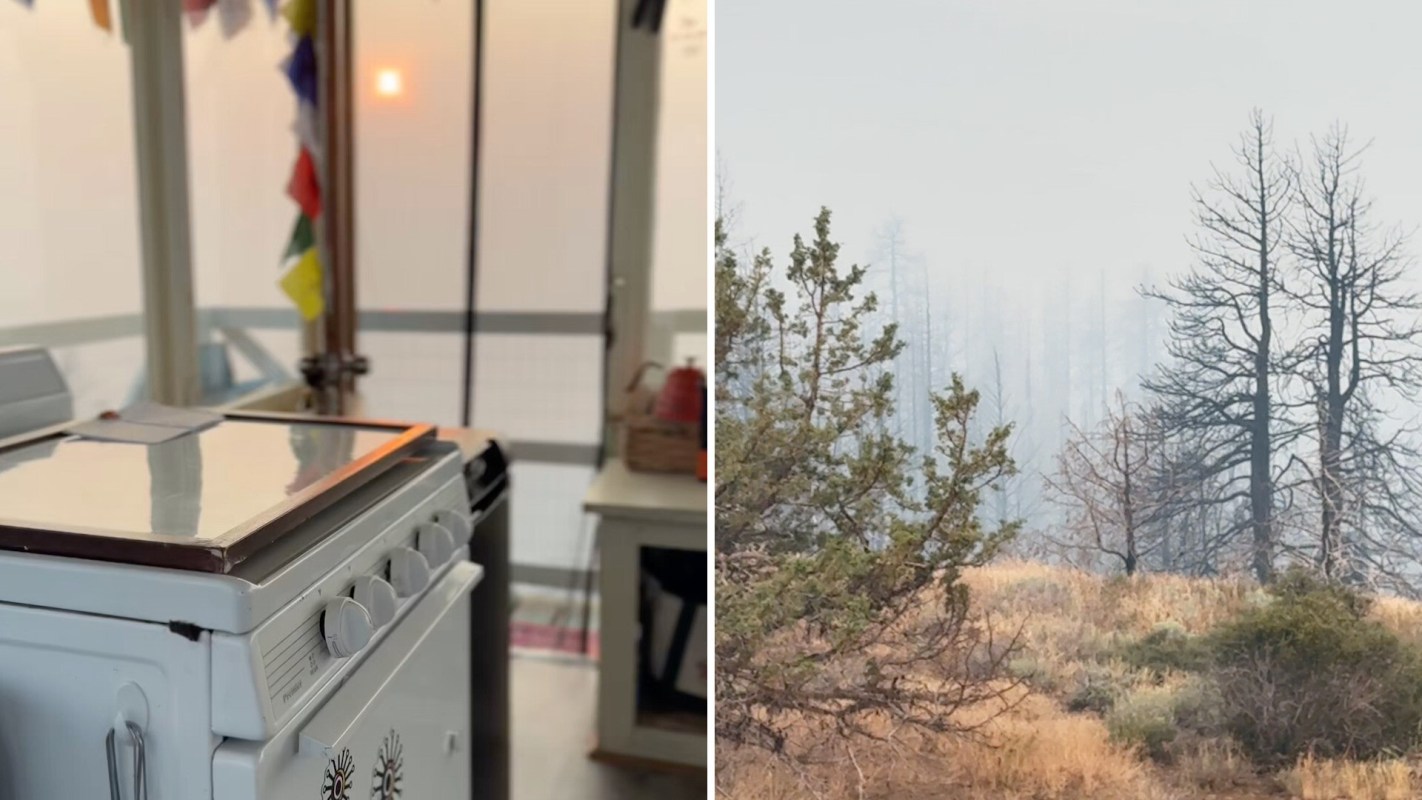
Wildfire smoke is often discussed in terms of forecasts, health alerts, and hazy skylines. But a video from a fire lookout offered something more personal: a glimpse of what it means to live with that smoke day after day when the job leaves little room for escape.
What's happening?
BriggyGee (@BriggyGee) said viewers often asked how she manages smoke over long stretches — "day to day, month to month" — and in a video on TikTok, she filmed smoke from a remote tower, saying, "Honestly, it's just part of the job."
@briggygee FIRE LOOKOUT REPORT: wildfire smoke. It's part of the job. #firelookout#smoke#aqi#airquality#climatechange ♬ original sound - BriggyGee 🌲 🔥
Air filters are not an option in the tower, and shutting the space up to keep smoke out is not realistic, especially when it's hot outside. BriggyGee said the windows and door need to stay open so the tower can keep the airflow she depends on.
Though the lookout said she seems to be less affected by smoke than many other people, she still described physical symptoms, including irritated eyes, headaches, and coughing.
In the comments, viewers urged extra caution, with one writing: "Mask is probably a good idea. Smoke can be affecting your health in ways you don't realize at this point."
Why does it matter?
For many people, smoke means staying indoors for a day or two. For outdoor workers such as wildfire lookouts and firefighters, it can mean repeated exposure over the course of weeks, months, or even years as they monitor conditions, respond to threats, and protect nearby communities.
TCD Picks » Quince Spotlight
💡These best-sellers from Quince deliver affordable, sustainable luxury for all




Wildfire smoke is more than a temporary nuisance. It can irritate the eyes and throat, worsen breathing problems, and make already difficult work even more physically demanding.
Worsening extreme weather disasters also put lives and livelihoods at risk far beyond fire zones. Larger and more intense wildfires can threaten homes; disrupt local businesses; strain emergency services; and create unhealthy air that affects school children, workers, and families many miles away.
What can I do?
A few practical steps can reduce exposure. Checking local air quality reports before exercising outdoors, limiting strenuous activity during smoky periods, and using a well-fitted N95 mask are all important.
Creating a clean indoor space can make a difference too. That may include using a portable air purifier, improving ventilation when outdoor air is safe, and sealing a room during the worst smoke events. As BriggyGee made clear, not everyone has access to those options, but they can be helpful tools at home.
"As a nurse, I highly recommend wearing an N95, because a droplet mask isn't going to protect you as well from airborne particles," one commenter wrote.

Get TCD's free newsletters for easy tips, smart advice, and a chance to earn $5,000 toward home upgrades. To see more stories like this one, change your Google preferences here.







