


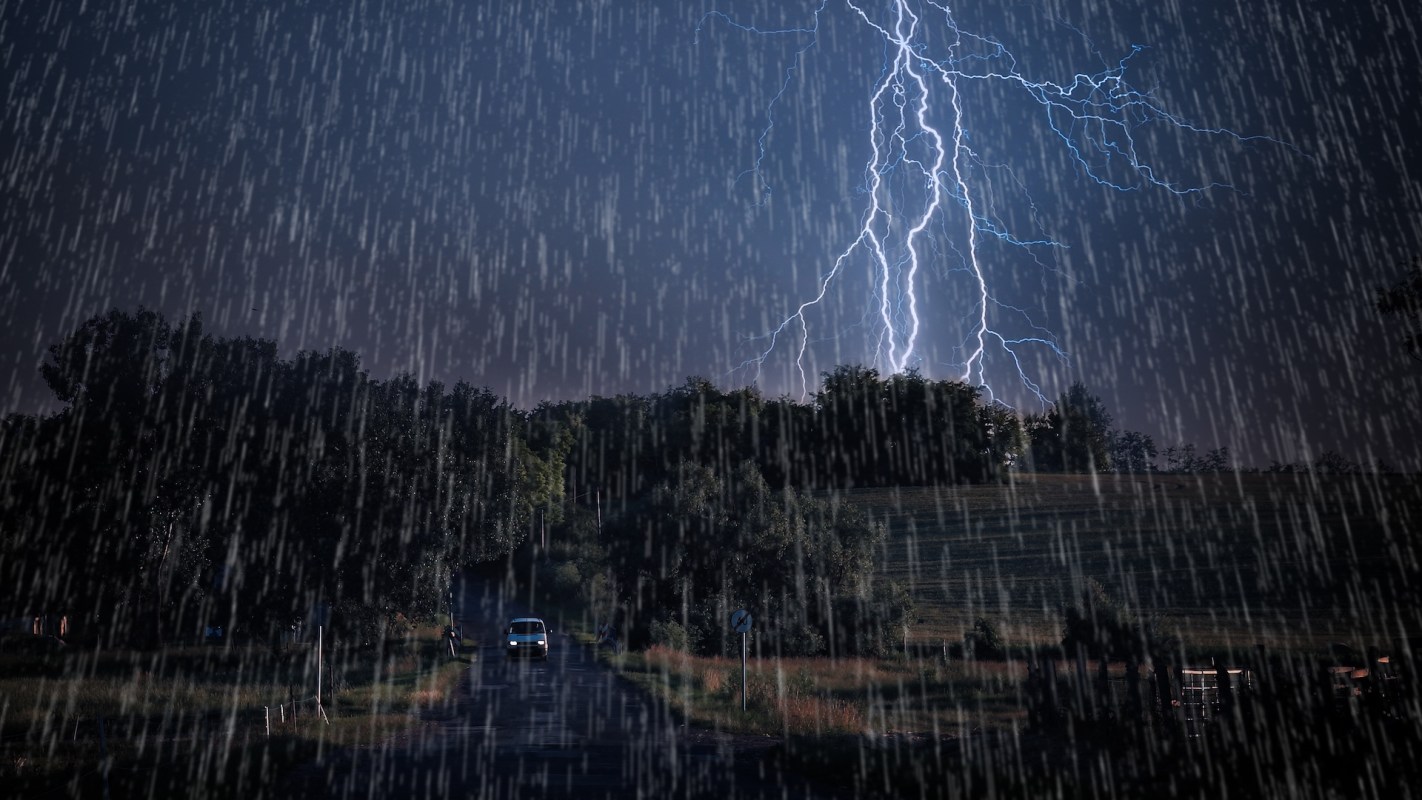
Across the Northeast, a powerful late July storm brought torrential rain and high winds, triggering flash flooding and tornado warnings, swamping roads, and disrupting air travel.
A lightning strike in New Jersey killed one person, and millions were still facing flood threats, according to The Guardian.
What happened?
From Tuesday night into Wednesday, the storm hit hardest across a broad stretch of the region, affecting Pennsylvania, New Jersey, New York, and New England.
On Wednesday, more than 11 million people remained under a serious flash flood threat as the system kept unloading heavy rain, the publication said.
In Monroe Township, New Jersey, a 32-year-old man died after being struck by lightning, according to the Daily Voice.
High-water rescues took place in several communities, as The Guardian noted. First responders in Paterson, New Jersey, rescued at least 20 people, including an older woman in a wheelchair, and crews in Reading, Pennsylvania, pulled a family with a young child from a stranded vehicle.
TCD Picks » Quince Spotlight
💡These best-sellers from Quince deliver affordable, sustainable luxury for all




Floodwaters also trapped vehicles in parts of upstate New York, while flash flood warnings were issued for Albany, Saratoga, Rensselaer, and Schenectady counties, according to The Guardian.
Tens of thousands of people across the Northeast were still without electricity, and airports had recorded hundreds of canceled flights.
AccuWeather said Connecticut and Massachusetts could receive up to 8 inches of rain into Thursday.
Why is this concerning?
Flash floods can trap people in cars and homes. Lightning can be deadly, and power outages can put vulnerable residents at risk by cutting off essential devices like air conditioners.
Repeated disasters also damage homes, disrupt businesses, strain emergency budgets, and make recovery harder for communities.
The storm unfolded alongside other major weather threats across the country, as The Guardian detailed.
The National Weather Service warned that "dangerous heat continues across the southern U.S. … bringing above normal temperatures through the remainder of the week," with heat indexes reaching 115 degrees Fahrenheit in Texas and Oklahoma.
Desert cities such as Phoenix, Las Vegas, and Palm Springs, California, were expected to approach 120 degrees, while a mix of heat and gusty winds was increasing wildfire danger from the Golden State to Oregon, per AccuWeather.
Earlier this week, the NWS upgraded a Wisconsin tornado to an EF3, and officials said 68 people were treated for injuries after winds reached 145 mph, damaging businesses and destroying a house.
What's being done?
Emergency responders carried out high-water rescues, while forecasters continued issuing flash flood, tornado, and heat alerts, The Guardian said.
Utilities were working to restore power, and local officials monitored roads, waterways, and neighborhoods for additional impacts.
As communities brace for more extreme weather, it's important to keep up with weather alerts and follow guidance ahead of storms and extreme heat.

Get TCD's free newsletters for easy tips, smart advice, and a chance to earn $5,000 toward home upgrades. To see more stories like this one, change your Google preferences here.






