


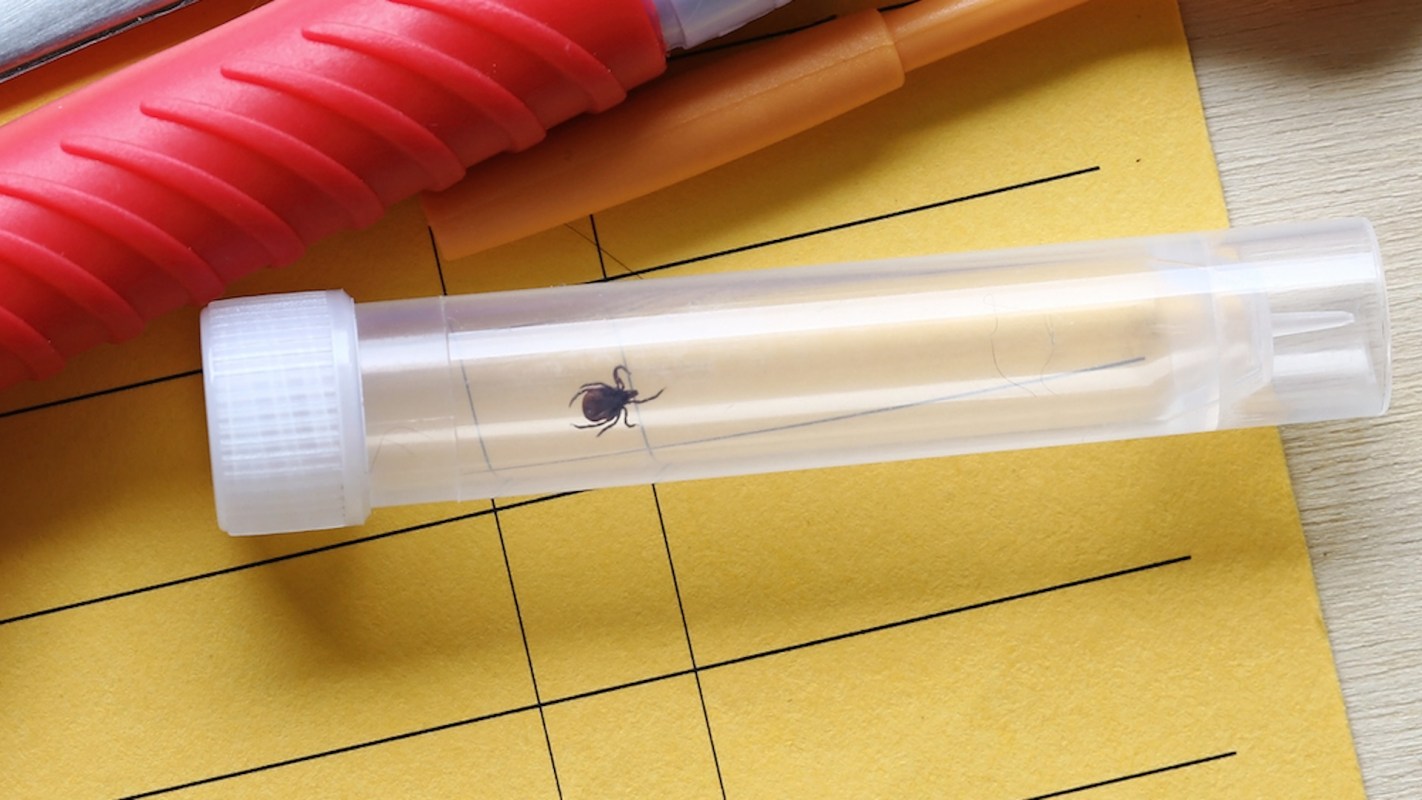
In summer, a lab in upstate New York allows people to send ticks they pulled off their bodies to get more information about the tick and any pathogen it was carrying.
For scientists, the process offers a window into an expanding public health concern.
What's happening?
According to Yale Climate Connections, researchers at SUNY Upstate Medical University's Tick Testing Laboratory sort each tick by species and life cycle stage before screening them for disease-causing pathogens.
The lab has reportedly processed more than 30,000 ticks since 2019, with most of those submissions coming from New York.
Lab director Saravanan Thangamani told Yale Climate Connections that about one-third of the ticks carried at least one pathogen.
Among them were agents associated with Lyme disease, babesiosis, and tick-borne encephalitis. He also said ticks are becoming more widespread across much of the Northeast because warmer weather helps them persist in places that were once too cold and lengthens the time they remain active.
TCD Picks » Quince Spotlight
💡These best-sellers from Quince deliver affordable, sustainable luxury for all




Why does it matter?
Tick exposure is not a concern isolated to the Northeast. In many communities, it is an everyday health issue, especially in warmer months when people spend more time outside.
Environmental changes and disease risk can intersect in ways that affect people directly. When ticks move into new areas or stay active longer, the chances of exposure can increase, making it harder for people to know when they may be at risk.
There is also a practical medical benefit to the testing. If someone knows what type of tick bit them and whether it carried a pathogen, that information can help guide conversations with a doctor, especially if symptoms appear later. It does not replace medical care, but it can give both patients and clinicians a clearer starting point.
Thangamani said that climate-related shifts in where host animals live and move are also helping ticks expand into new regions.
What's being done?
The lab's testing program does more than return results to individual residents; it also contributes to a larger record scientists can use to follow how tick-related risks are changing over time. Each mailed-in tick can both clarify one person's possible exposure and add to researchers' understanding of broader patterns.
Scientists are paying attention not just to how many ticks are showing up but also to where they are appearing and what pathogens they are carrying. That kind of surveillance can help public health officials, doctors, and communities better prepare for shifting disease threats as conditions change.
Yale Climate Connections reported that after spending time outdoors, experts generally recommend checking your body, clothing, and pets, removing attached ticks promptly, and contacting a health professional if you develop symptoms such as fever, rash, or unusual fatigue after a bite.

Get TCD's free newsletters for easy tips, smart advice, and a chance to earn $5,000 toward home upgrades. To see more stories like this one, change your Google preferences here.






