


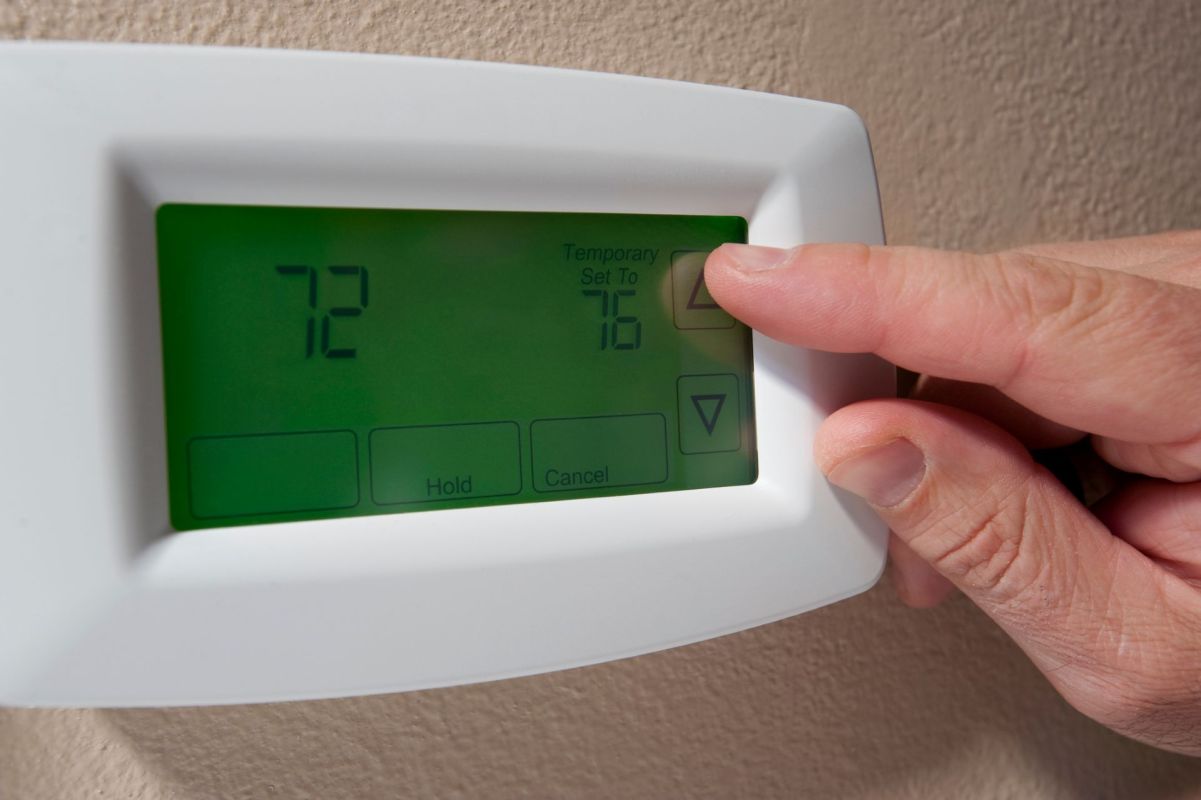
A fixed thermostat target can be misleading: During hot weather and periods of higher electric bills, setting it to 78 degrees is often presented as an easy answer.
Yet, as The Conversation spotlighted in an article recently shared by the Phoenix News Times, some households — especially those with infants or people who are more vulnerable to heat stress — may need something different.
What's happening?
Destenie Nock, an associate professor of engineering and public policy and civil and environmental engineering at Carnegie Mellon University, urged people to look beyond one-size-fits-all thermostat advice in an article for The Conversation.
As Nock noted, experts generally recommend setting an HVAC to 78 degrees Fahrenheit, or even 81, to cut costs and stay comfortable, since an air conditioner uses less electricity when the gap between indoor and outdoor temperatures is smaller.
However, Nock emphasized that temperature is not guaranteed to be ideal in every home. Nock said that when her daughter was a toddler, nighttime vomiting stopped only after she lowered the temperature enough to get the bedroom closer to 74 degrees.
In her view, 78 degrees should be treated as a baseline to adjust from rather than a strict rule.
TCD Picks » Quince Spotlight
💡These best-sellers from Quince deliver affordable, sustainable luxury for all




Why does it matter?
Because air conditioning can consume more than 50% of a household's summer energy use, trimming unnecessary cooling can make a noticeable difference on monthly bills.
But a cheaper setting is not the right one if it leaves someone in the home overheated, nauseated, dizzy, or worse.
A thermostat reading may also not match the hottest parts of a home if the device is in a hallway instead of an upstairs bedroom or a room with direct sun, and humidity can make a space feel much warmer than the number on the wall suggests.
Some people also have less room for compromise.
During heat waves, babies and people with certain medical conditions may need cooler rooms for longer stretches, and fans only help up to a point. According to the Centers for Disease Control and Prevention, fans should be used for cooling only when indoor temperatures remain below 90 degrees, because hotter air can speed up dangerous heat gain.
What can I do?
Rather than relying only on the thermostat, Nock recommends starting with simple, low-cost ways to keep extra heat out of the house.
Covering sun-facing windows with curtains, keeping doors and windows shut when the air outside is warmer, and avoiding the oven during the hottest part of the day can all help. Using fans along with air conditioning may also stretch your cooling budget.
She also suggested directing cooling toward the people and spaces that need it most. A low-cost thermometer can show whether bedrooms and other commonly used rooms are warmer than a hallway thermostat indicates.
When possible, spending more time on lower floors or in shaded rooms may help, along with cool showers, damp cloths, ice packs, and staying hydrated.
If the heat inside your home feels unsafe, Nock said people should call a local 211 or seek out cooling centers, libraries, pools, or other air-conditioned public places.
She also noted that utility companies and local governments may offer bill-payment plans, weatherization assistance, or appliance upgrade programs.

Get TCD's free newsletters for easy tips, smart advice, and a chance to earn $5,000 toward home upgrades. To see more stories like this one, change your Google preferences here.






