


Even if your tomato plants are fading in midsummer, the growing season may be far from over. Home gardeners can often use this stretch of summer to plant another round of crops and keep fresh harvests coming well into fall.
What's happening?
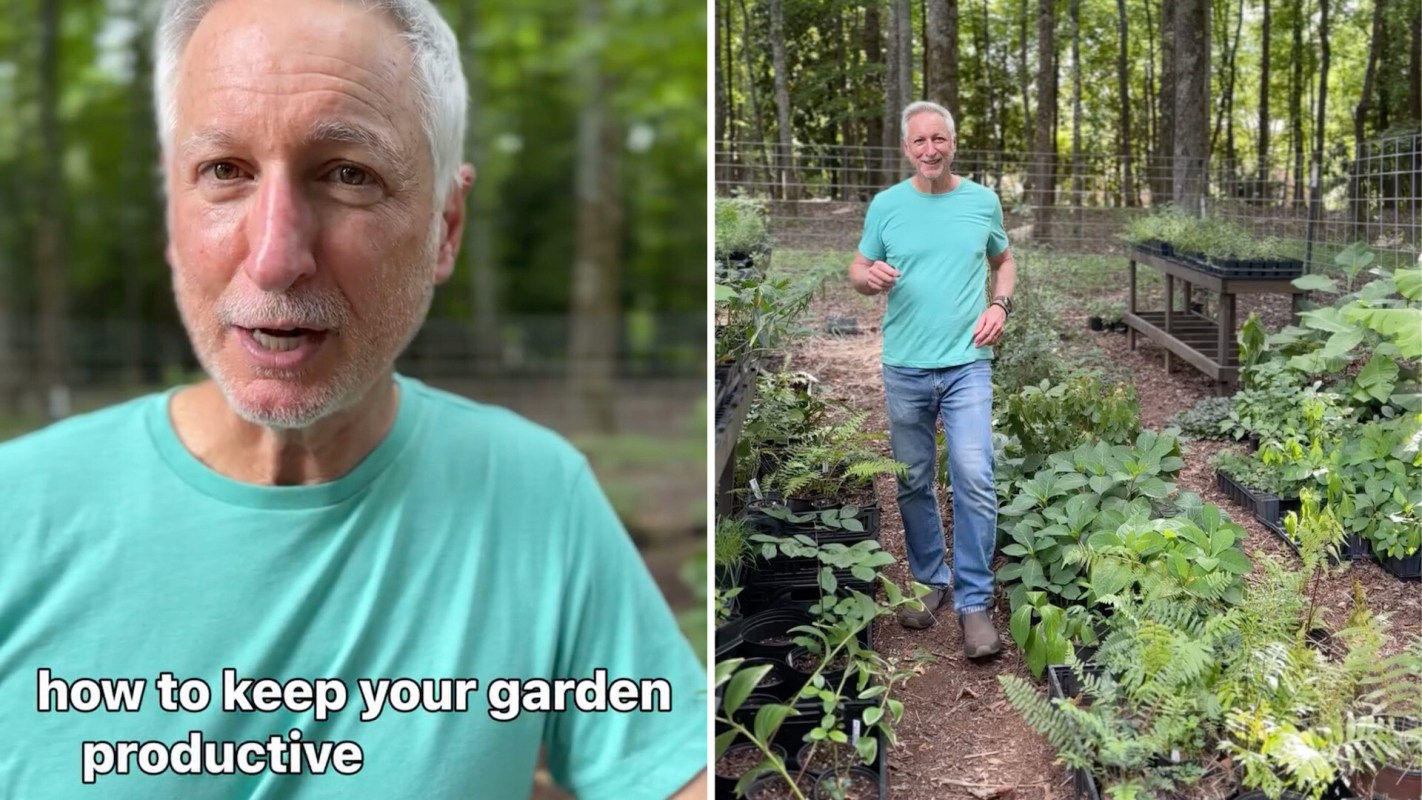
In a recent Instagram post, Joe Lamp'l, the creator behind the @joegardener account, pointed to a small but useful gardening step. He explained that it can be smart to start sowing cool-season vegetables during summer, when warm soil can help seeds sprout quickly.
Speaking from his summer vegetable garden, Lamp'l discussed getting ready for a fall planting cycle by replacing tired summer crops with vegetables that are better matched to cooler weather.
"If you think your vegetable gardening has to wind down just because summer does, I have good news for you," he said, "Fall is an amazing time to grow vegetables, especially cool-season crops, like lettuce, spinach, kale, cauliflower, beets, carrots, chard, and so much more."
Lamp'l added, "The trick is knowing what to plant and when to plant it. Because fall vegetable gardening is all about getting the timing right."
Step into effortless comfort with bestselling shoe styles from Skechers Nothing says "crisp" like a new look for fall, and Skechers is making it easy to feel great and stay comfortable with its bestselling Arcade lineup. This vibrant footwear collection comes with features like innovative slip-on technology, stretch laces, and podiatrist-certified insoles — making it the perfect seasonal fit for men and women this fall. Learn more → |

But by the time autumn temperatures arrive, it can already be too late to start some of those crops. Although they are commonly thought of as fall vegetables, many need to go into the ground during the heat of summer so they are established before the first frost. Waiting until it actually feels like fall can shrink or eliminate that opportunity.
For gardeners noticing a sudden drop in production during the summer, a slowdown can be a prompt to replant and potentially keep food coming from the same space for several more weeks or months.
Why does it matter?
Getting a longer harvest from the same garden space can translate into real savings at the grocery store. A few extra rounds of leafy greens, root vegetables, or herbs can help reduce produce costs at a time when food prices remain top of mind for many households.
There is also a quality advantage. Homegrown produce is often fresher and better tasting because it can be picked at peak ripeness instead of being transported and stored before it reaches the kitchen.
Gardening can also support mental and physical health. Replanting, watering, harvesting, and tending a fall garden adds light movement to a daily routine, and many gardeners say the work itself is calming and rewarding.
Getting more food from an existing garden bed can also help households make better use of their space, use resources more efficiently, and rely a little less on store-bought produce.
Bonus solutions: For other ways to make autumn extra enjoyable this year, TCD-affiliate brand Skechers has a full lineup of comfortable-ready shoes, including the bestselling Arcade sneakers, which bring an elevated, street-ready look to every autumn moment without sacrificing a single step of comfort.

Get TCD's free newsletters for easy tips, smart advice, and a chance to earn $5,000 toward home upgrades. To see more stories like this one, change your Google preferences here.






