


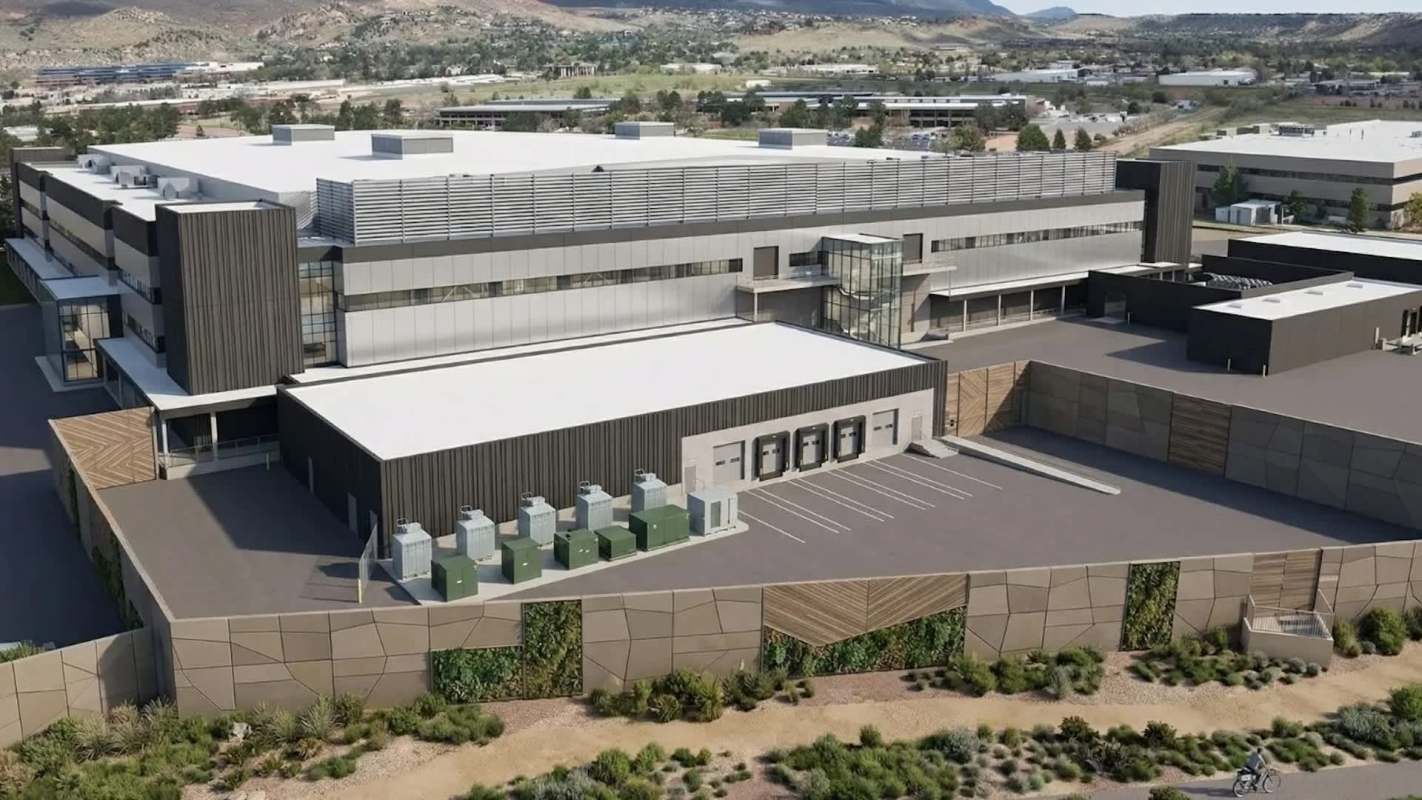
A late-night vote by the Colorado Springs Planning Commission pushed a proposed data center on Garden of the Gods Road past an important obstacle.
However, opponents of Project Taurus aren't backing down.
What happened?
Following a lengthy hearing Thursday, commissioners voted 6-2 against multiple appeals that sought to stop the proposed data center, KOAA reported.
Those appeals centered on whether the project's review and approval process had been handled properly. Ron Graham-Becker, who helps lead one of the groups behind the appeal, said neighbors believed they made a strong case.
"We did our due diligence and what we were expected to do and we presented our case pretty well. I think there was a lot of convincing evidence," Graham-Becker said, per KOAA.
Speaking for developer Raeden, legal counsel Caitlin Quander said the commission was dealing with an administrative question about a major modification to the development plan, not a broader debate over the project itself.
TCD Picks » Quince Spotlight
💡These best-sellers from Quince deliver affordable, sustainable luxury for all




Because the planning commission denied the appeal, the groups had 10 days to file another appeal and bring the matter to the Colorado Springs City Council.
Why does it matter?
Data centers are becoming a bigger part of local land-use battles across the country because they can bring jobs, tax revenue, and digital infrastructure but also raise concerns about noise, traffic, water use, and electricity demand.
The case also reflects the increasingly close relationship between artificial intelligence and the power grid. Many data centers provide the cloud computing and processing capacity that modern AI tools depend on.
Potential benefits include helping utilities and companies optimize clean energy systems and manage power more efficiently. At the same time, these facilities can consume large amounts of electricity and water; strain local infrastructure; and fuel concerns about higher energy bills, security risks, misuse, and more.
Decisions about where and how data centers are built can shape neighborhood quality of life while also influencing how communities respond to rapidly growing AI-related demand. As a popular tourist destination, Garden of the Gods generates an estimated $487 million in revenue for the surrounding area each year, according to an economic impact report.
"I can't believe they would try to operate so close to Garden of the Gods," a Reddit commenter in a r/ColoradoSprings thread about Project Taurus remarked.
What's being done?
Public hearings, administrative reviews, and council votes are often where the biggest decisions about fast-growing infrastructure are made.
The process reflects how communities are weighing technological growth and economic development against neighborhood impacts and environmental demands — and, at times, voting out lawmakers they believe don't represent their interests.
In Colorado Springs, the appellant groups can ask the city council to review the decision.That would give opponents another public forum to argue that the project's review was flawed or incomplete.
Graham-Becker said that neighbors planned to keep pressing the issue."It's going to be interesting to see how this thing goes in front of the city council," he told KOAA.

Get TCD's free newsletters for easy tips, smart advice, and a chance to earn $5,000 toward home upgrades. To see more stories like this one, change your Google preferences here.






