


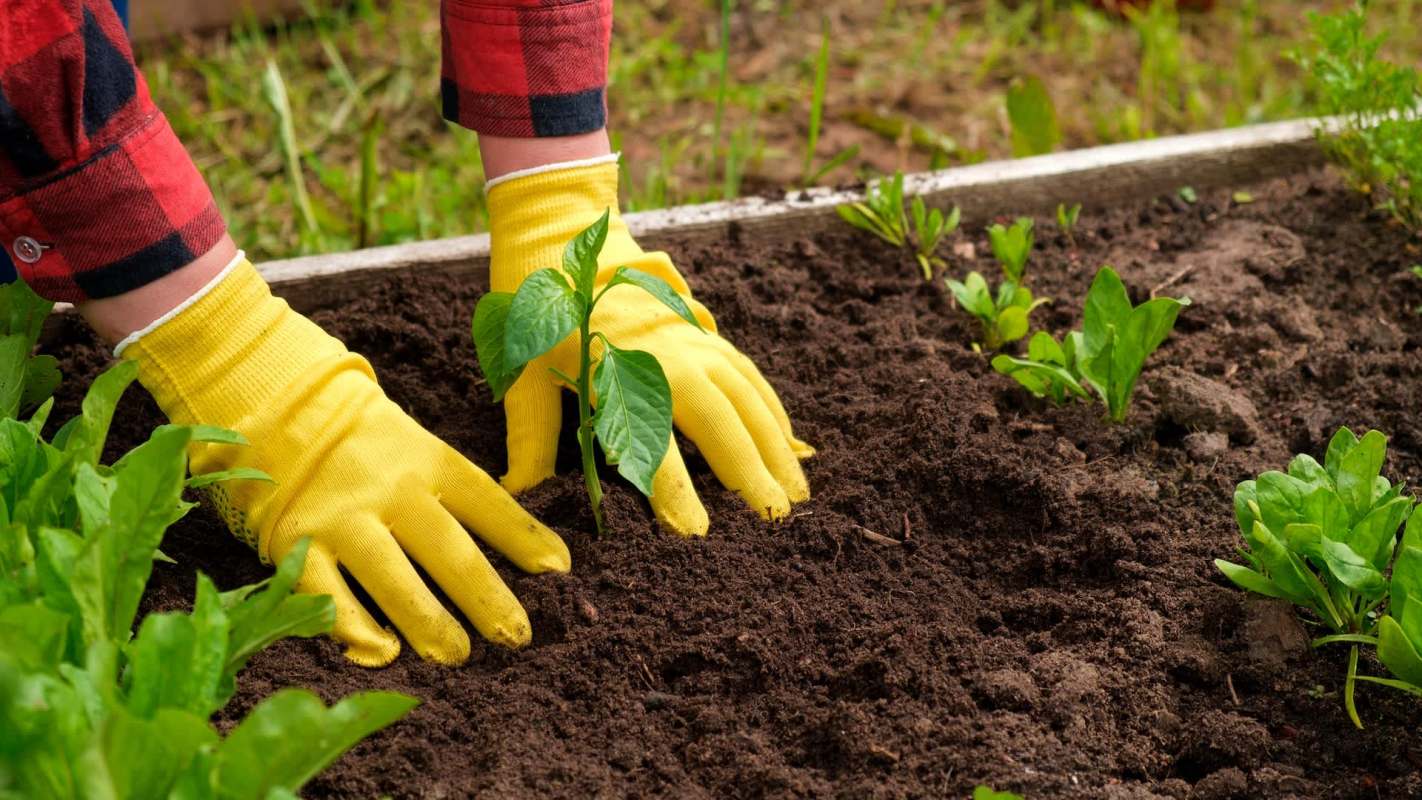
A backyard garden can start as a simple hobby and become something much more meaningful. For one California gardener, checking on their garden each morning turned into a lesson in patience, control, and letting nature move at its own pace.
What's happening?
A 34-year-old gardener said in a Reddit post that two months with a garden bed had reshaped the start of each day. Instead of simply enjoying the space over coffee, they found themselves paying attention to even the smallest developments.
That growing attachment also made the garden's unpredictability hard to ignore. "Curled leaves, holes in the basil, tomatoes taking forever to ripen," they wrote. "I didn't expect to care this much, but I do." They said heat, pests, and plants growing unevenly showed them that careful effort still does not guarantee perfect results.
Other gardeners shared similar reactions.
"I learned very early on that gardening is imperfect and I'm OK with that," one wrote.
Another described the unpredictability of growing food outdoors by saying: "I just charge it to the game and move on. I'll get what I get and I'm happy."
TCD Picks » Quince Spotlight
💡These best-sellers from Quince deliver affordable, sustainable luxury for all




The post prompted responses from people who shared frustrations of their own, from heat-damaged beans to carefully planted beds trampled by dogs, chickens, and other animals.
Why does it matter?
Even attentive gardeners can be humbled by how quickly things change. A strong start does not always last; some seeds never succeed, and weather or pests can upset the best-laid plans.
For people used to seeing effort lead to results, that can be a difficult adjustment. "In my 20s, I wanted effort to lead directly to results," the original poster wrote. "If I put time into something, I expected it to work. The garden hasn't really followed that rule."
A slower mindset, one less focused on perfection, can help people enjoy the process of learning new skills, spending time outside, and building a healthier relationship with uncertainty.
Home gardening continues to draw people in. Even when a harvest is uneven, small milestones — such as noticing one tomato finally beginning to change color — can feel especially meaningful in a world that often rewards speed and constant productivity.
What can I do?
Gardening does not need to be perfect to be worthwhile. Starting small — with herbs, tomatoes, or a single raised bed — can make the process easy to manage and avoid your being overwhelmed by every pest, heat wave, or slow-growing plant.
It can also help to shift expectations. Rather than measuring success only by the size of the harvest, gardeners can focus on habits: checking plants regularly, learning what healthy growth looks like, and making peace with setbacks. Part of the value comes from observation.
Community can make that learning curve easier, too. In the thread, gardeners swapped stories about mildew, broken stalks, escaped chickens, and dogs digging through beds.
Using shade cloth, watering consistently, mulching, and choosing heat-tolerant varieties can all help, but patience may be the most useful tool of all.
"I still stand out there with my coffee, but now I'm less focused on making everything perfect," the original poster wrote.

Get TCD's free newsletters for easy tips, smart advice, and a chance to earn $5,000 toward home upgrades. To see more stories like this one, change your Google preferences here.






