


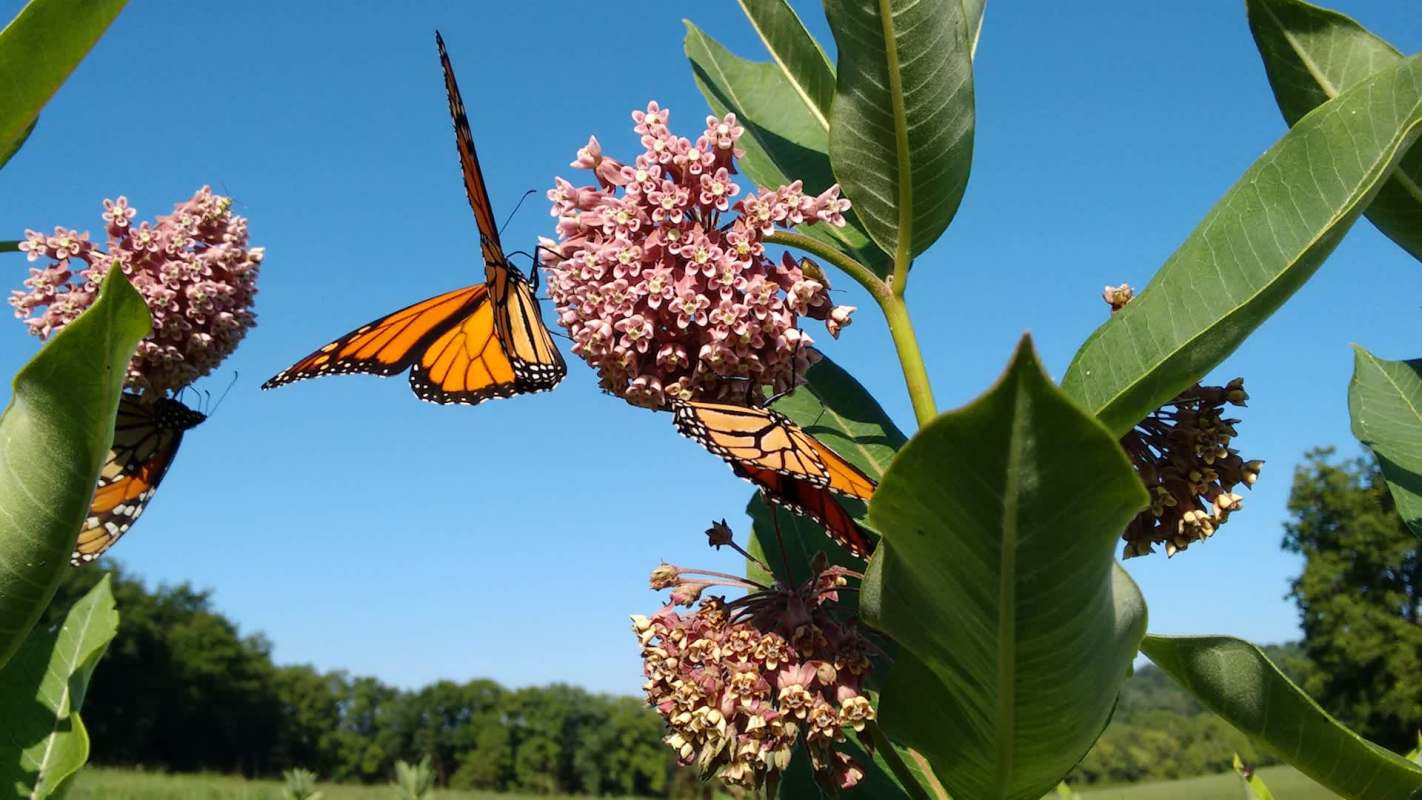
For a species often cited as an example of biodiversity loss, the latest development for monarch butterflies is unusually encouraging.
In Mexico, the amount of forest used by overwintering monarchs was 64% higher this past winter, giving scientists a reason for hope after years of sharp declines.
What happened?
According to The Weather Network, World Wildlife Fund Mexico's annual survey estimated that monarchs occupied 7.24 acres (2.92 hectares) of forest in the winter of 2025-26, versus 4.42 acres (1.788 hectares) the year before.
The increase is especially notable because it also marks a 226% jump from the winter of 2023-24. WWF-Canada conservation researcher Valerie Bolduc told The Weather Network that the increase in occupied area could mean anywhere from "a few million to tens of millions" more monarchs than the previous winter.
Still, experts are not calling it a full comeback.
"Scientists are cautiously optimistic. This winter's 2.93 hectares of trees blanketed in butterflies, compared to 1.79 hectares a year earlier and just 0.9 hectares the winter before, is encouraging," Bolduc said.
TCD Picks » Quince Spotlight
💡These best-sellers from Quince deliver affordable, sustainable luxury for all




Why does it matter?
In Canada, monarchs are endangered, and their migration from Canada to Mexico — roughly 4,000 to 5,000 kilometers (2,500 to 3,100 miles) — relies on suitable habitat across much of North America.
When monarchs fare better, it can signal progress in protecting forests, grasslands, and flowering plants that many other species also rely on.
Even with this winter's improvement, the bigger picture is still one of long-term decline. WWF-Canada says monarchs occupied close to 45 acres of forest 30 winters ago, and Bolduc noted that "the eastern monarch population is still down by more than 80 per cent to 90 per cent since the 1990s."
Bolduc said planetary warming remains a major threat to the species: monarchs may already be shifting their migration timing in some regions, and warmer temperatures can reduce the nutritional quality of the nectar they use to power their journey.
Their overwintering range is so limited that a single extreme weather event can have devastating consequences.
What's being done?
One possible reason for the stronger numbers this year is lower forest degradation in the overwintering region, which WWF Mexico also reported.
Across Canada, the United States, and Mexico, WWF is working along the monarchs' migration route to conserve the habitat they need in every season.
In Canada, WWF-Canada is supporting restoration with re: grow, a free gardening resource, and the Go Wild initiative, which, according to The Weather Network, provides grants to schools restoring habitat in their communities.
According to Bolduc, milkweed is essential for monarch caterpillars in spring and summer, while flowers that bloom in fall can help fuel their southward migration.
"Milkweed is a great food and habitat in the spring and summer for monarch caterpillars," Bolduc said. "So, planting flowers for the fall, such as New England aster, goldenrod or Joe Pye weed, will provide monarchs with energy to help them make their long-distance migration."
"Monarchs need healthy habitats everywhere they live," Bolduc explained. "If threats such as the loss of native flowers, deforestation, forest fires and drought continue to degrade that habitat, monarch populations may never fully recover and continue declining."

Get TCD's free newsletters for easy tips, smart advice, and a chance to earn $5,000 toward home upgrades. To see more stories like this one, change your Google preferences here.






