


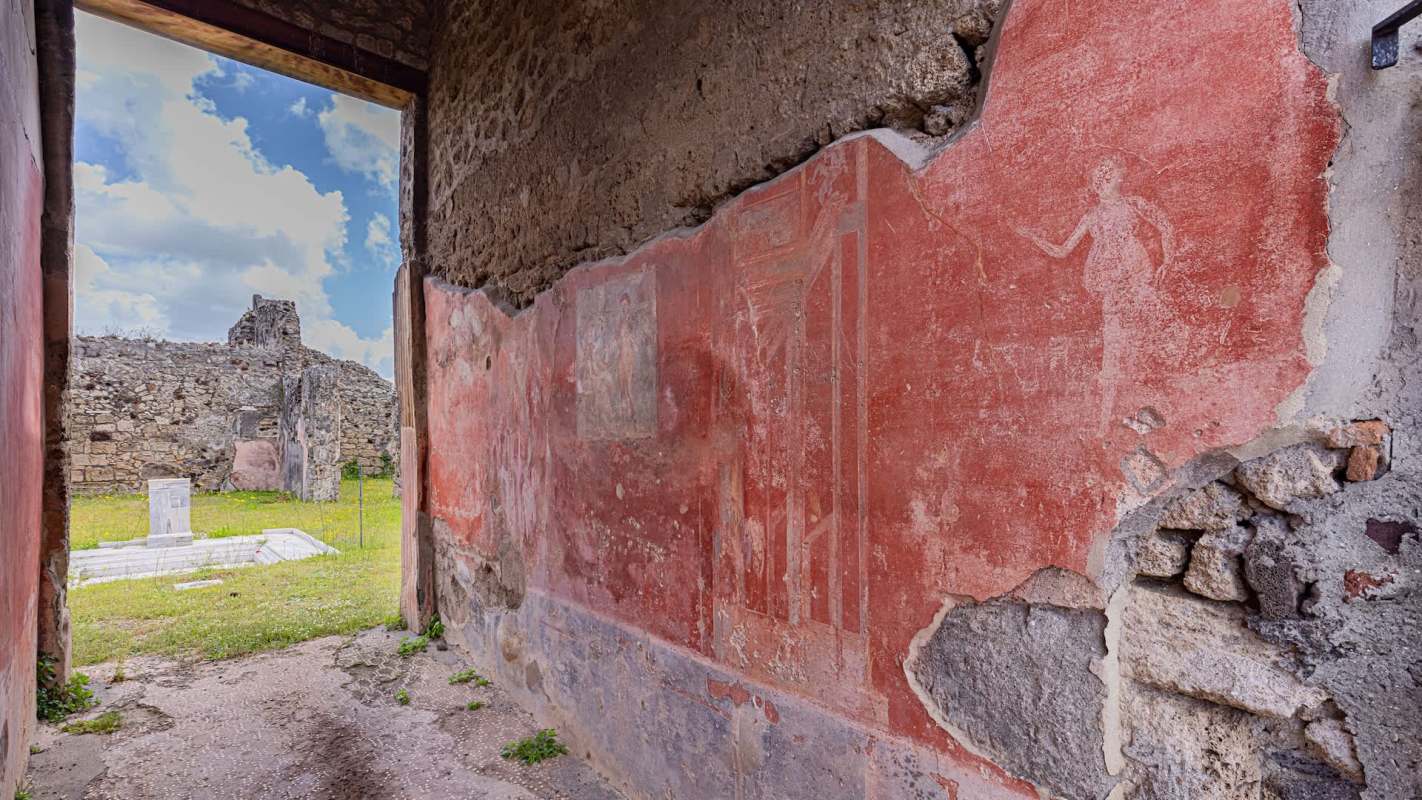
Artificial intelligence and a two-armed robotic system with soft grippers may soon help revive some of Pompeii's broken wall paintings, giving artworks buried since the eruption of Mount Vesuvius a chance to be reconstructed.
For archaeologists, the promise lies in offloading some of the slow, delicate work of finding matching fresco pieces and joining them without causing additional damage.
What's happening?
Under the EU-funded RePAIR project, researchers have built a robotic restoration platform for broken Roman frescoes from Pompeii, Assembly reported.
The city near Naples was buried in ash when Mount Vesuvius erupted in A.D. 79. Though the catastrophe killed thousands, the same material also preserved major parts of Pompeii — including buildings, businesses, and artworks — that now offer insight into everyday Roman life.
Some frescoes are still preserved on Pompeii's walls, but many others remain only as separated fragments.
RePAIR is meant to tackle that challenge by digitizing fragments, using computer vision and AI to spot likely visual matches, and then having robotic arms with flexible hands handle and join the pieces.
TCD Picks » Quince Spotlight
💡These best-sellers from Quince deliver affordable, sustainable luxury for all




Why does it matter?
Restoring ancient art is about far more than appearance. Frescoes can reveal how people lived, what they valued, and how they designed their homes and public spaces nearly 2,000 years ago.
When those works remain boxed up in fragments, a major piece of history remains out of reach.
Tools that can speed restoration may also help museums and archaeological sites make delicate collections available to the public sooner while lowering the risk of accidental damage from repeated manual handling.
In a place like Pompeii — one of the world's most significant cultural heritage sites — even modest preservation gains can affect education, research, and tourism.
What's being done?
RePAIR is built to handle restoration as a complex fragment-matching task.
After fragment images are captured and digitized, machine-learning software analyzes color relationships and patterns to look for possible connections, including details that may be hard for people to notice unaided.
If the program determines that pieces likely belong together, the robotic arms move them into place. Their soft, flexible hands are designed to hold the ancient painted plaster gently, which is critical when working with such fragile material.
The platform uses a human-in-the-loop model, meaning archaeologists confirm matches and identify errors rather than leaving final decisions entirely to automation.
That approach could make the technology useful not only in Pompeii but eventually at other heritage sites facing similar restoration backlogs.
"It's like you buy four or five jigsaw puzzles," Marcello Pelillo, Ph.D., a computer science professor at the University of Venice and the project's coordinator, said, according to Assembly. "You mix everything together, then you throw away the boxes and try to solve four or five puzzles at the same time."

Get TCD's free newsletters for easy tips, smart advice, and a chance to earn $5,000 toward home upgrades. To see more stories like this one, change your Google preferences here.






