


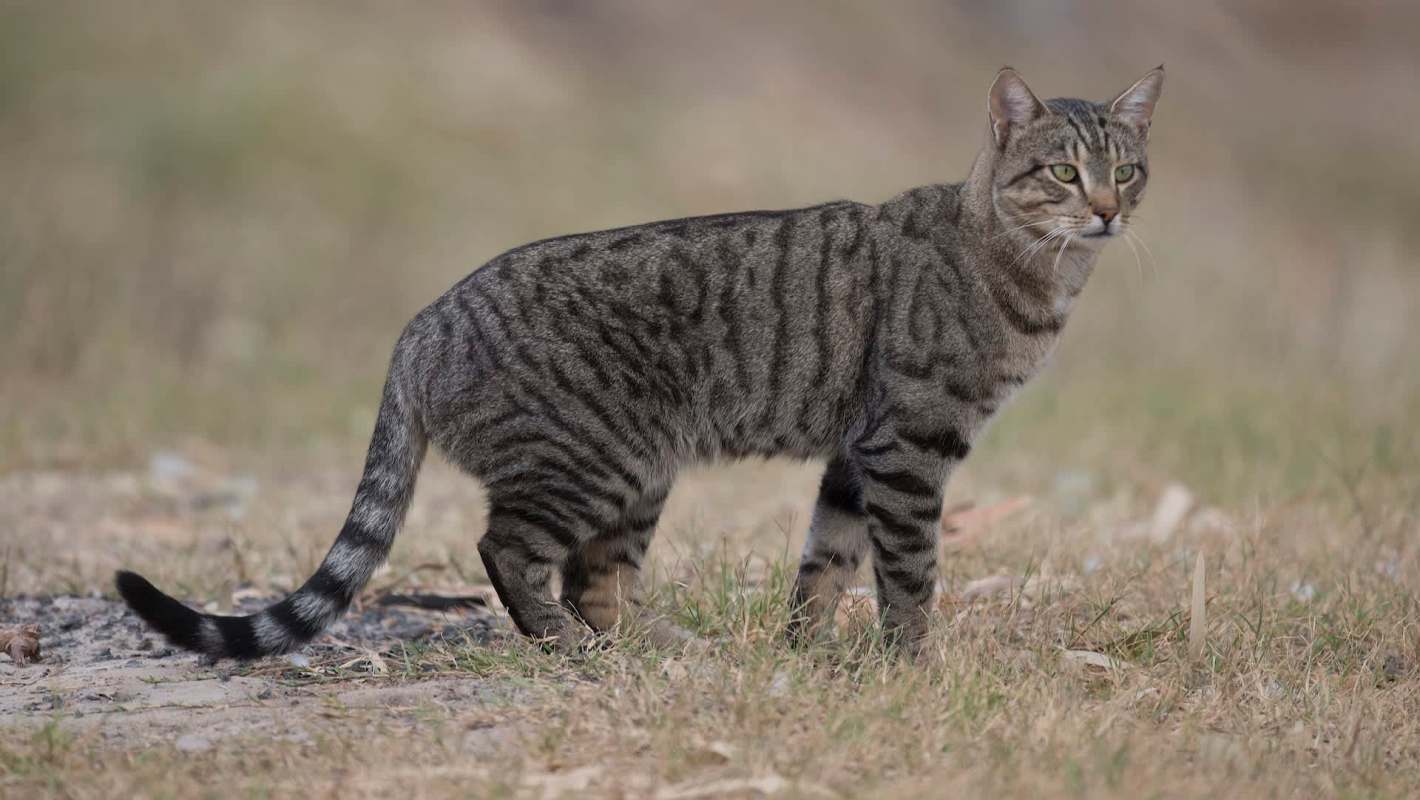
Nearly $4 million in fresh government and philanthropic funding is being directed to a Kangaroo Island campaign to eliminate feral cats, with the goal of protecting threatened wildlife, supporting farms, and safeguarding the long-term health in a part of Australia.
If it reaches its target, the Dudley Peninsula would become the largest inhabited place in the world to be free of feral cats. Still, cat lovers and organizations such as PETA have spoken out to at least make sure the process is carried out ethically and humanely.
What's happening?
Under the latest funding package, the Australian government will provide $2.7 million to the Kangaroo Island feral cat eradication project, South Australia will add $800,000, and philanthropic backing will contribute another $370,000, according to Mirage News.
The deadline for eliminating feral cats from the Dudley Peninsula remains 2030.
Kangaroo Island is home to more than 30 threatened species, and Federal Minister for the Environment and Water Murray Watt said, "Sadly, feral cats have contributed to the extinction of more than 20 Australian mammal species."
With the new money, the project aims to remove the feral cats still on the peninsula and keep more from re-entering.
TCD Picks » Quince Spotlight
💡These best-sellers from Quince deliver affordable, sustainable luxury for all




South Australian Minister for Climate, Environment and Water Emily Bourke said the work is already producing results, noting that "we are starting to see the return of native species such as the southern brown bandicoot."
PETA Australia has acknowledged that the feral cat problem in Australia is a real one with no great answers, saying, "Trapping and, if necessary, euthanising feral cats is the only way to take these animals out of the environment humanely. As a preventive measure, more states need to introduce laws requiring cat guardians to have their animals desexed – as South Australia and Western Australia have already done – and to keep their cats indoors, as is already mandatory in areas of Canberraand Melbourne."
Notably, PETA has raised the prospect of using non-lethal approaches such as sterilization as well. "Immunocontraceptive programmes – in which animals' immune systems are altered to make them sterile – could be a humane and effective long-term method for decreasing feral cat populations. The contraceptives are usually administered orally or via a vaccine," PETA said.
"While this technology hasn't been used in Australia before, it has been employed successfully overseas. In one European study, a long-lasting fertility suppressant established an 89 per cent reduction in the fertility of feral female goats that lasted for two years after treatment. Immunocontraception has also been used on companion dogs in some situations."
Why does it matter?
If the effort succeeds, species such as Kangaroo Island echidnas, southern brown bandicoots, hooded plovers, and the critically endangered Kangaroo Island dunnart would gain a protected refuge.
Because many native animals evolved without predators like feral cats, invasive hunters can be especially destructive, making isolated safe zones critical for their survival.
Officials say the project also benefits farming businesses and strengthens local biosecurity, helping protect livelihoods connected to the island's land and natural systems.
Bourke said boosting native wildlife populations is especially important "with the threat posed by the arrival of H5 bird flu."
What's being done?
Success depends on a combination of sustained fieldwork and advanced technology.
To limit the chance of reinvasion, the Dudley Peninsula has been separated from the rest of Kangaroo Island by an upgraded 1.9-mile (three-kilometer) cat-proof fence at Pelican Lagoon.
The response also includes thermal drones, specially trained detection dogs, a community "call in a cat" program, a remotely monitored landscape-scale trap network, and 4G-connected AI cameras that can provide near-real-time cat locations.
Kangaroo Island Landscape Board General Manager Will Durack said the effort has depended on "long-term community support" and the "trust and social licence needed to deliver eradication at this scale."
Invasive Species Council CEO Jack Gough called it "a nationally significant investment," adding, "Backing this eradication program is backing the survival of species found nowhere else on Earth."
Durack said the work brings the island closer to "creating a permanent safe haven for threatened wildlife on the Dudley Peninsula."

Get TCD's free newsletters for easy tips, smart advice, and a chance to earn $5,000 toward home upgrades. To see more stories like this one, change your Google preferences here.







