


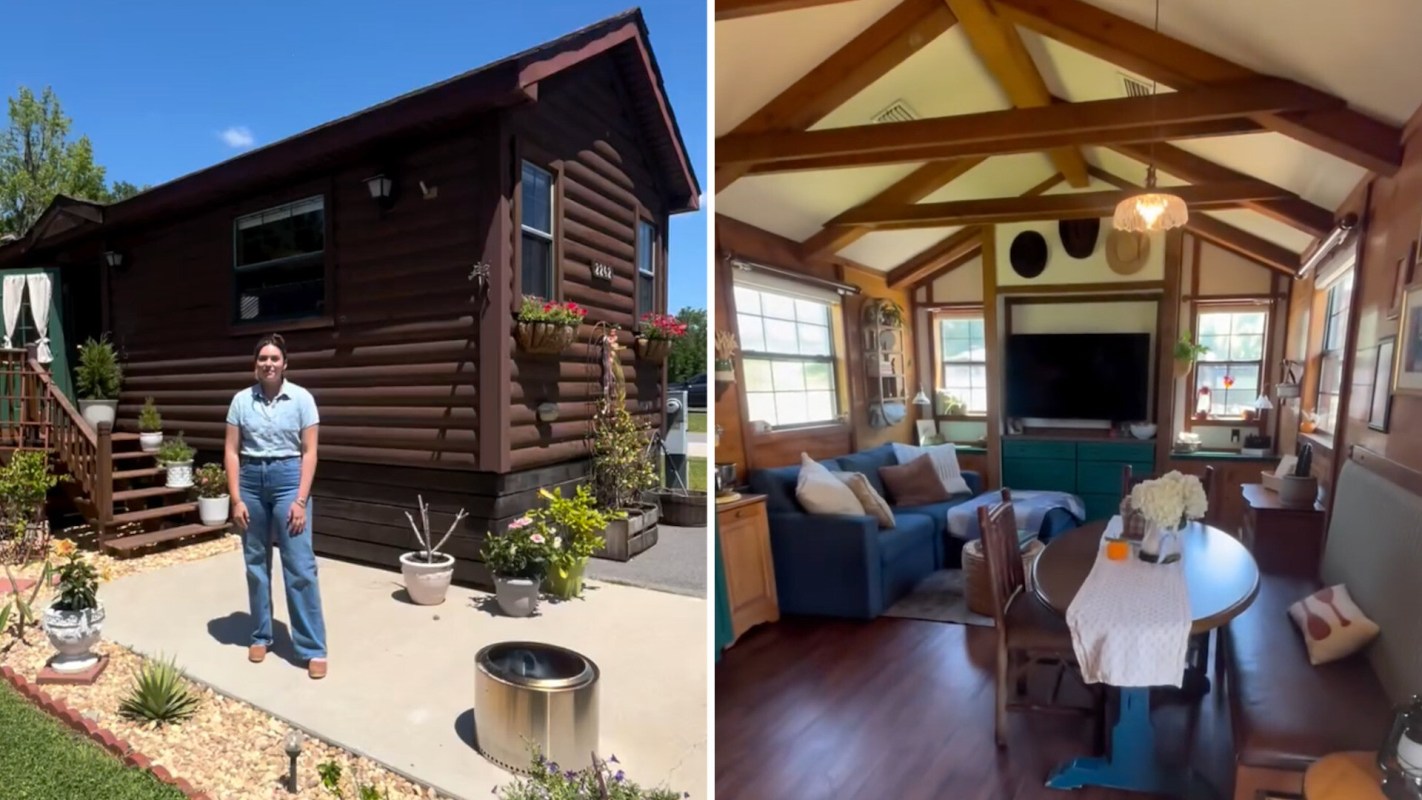
Grace Kocher, a freelance illustrator and creative marketing specialist, and her husband, Jacob Kocher, found their ideal home in a retired cabin from Disney's Fort Wilderness Resort.
They paid $53,375 for the 540-square-foot structure and eventually made it their full-time tiny home in Florida, according to AOL.
What happened?
Before settling in, Grace Kocher, a freelance illustrator and creative marketing specialist, and her husband, Jacob Kocher, had spent more than two years traveling through 25 states while living in a 35-foot RV.
Their search for a more permanent setup led them to listings on Facebook Marketplace of retired Disney Fort Wilderness cabins, as reported by AOL.
Already avid Disney fans and still in their late 20s, the couple purchased one after Disney started swapping out the older cabins for newer models.
"After living in our RV for more than two years, we started looking into tiny houses, since we were already accustomed to tiny living," Grace said.
TCD Picks » Quince Spotlight
💡These best-sellers from Quince deliver affordable, sustainable luxury for all




The purchase also had personal meaning. Grace had childhood memories of staying in the cabins as both a child and an adult, and Jacob had been there with her family while they were dating.
They took on much of the renovation themselves, working through Florida's summer heat and without a full spec sheet. Along the way, they kept the cabin's rustic feel and held onto some of the vintage furniture and newer appliances that came with it.
Why does it matter?
The $53,375 price tag was far below the cost of many conventional homes, especially at a time when some custom tiny houses can cost nearly as much as a standard house, Grace noted.
Tiny living is not a simple solution for everyone. Zoning restrictions, land costs, financing challenges, and limited storage can all make the lifestyle difficult to pursue.
A smaller home can also mean lower housing costs, less space to furnish, and potentially lower energy use for heating and cooling.
Living small can also encourage people to think twice before buying something new, leading to less consumption overall and possibly even more savings. When every item needs both a purpose and a place, impulse purchases become harder to justify.
In the Kochers' case, the home also offered qualities they felt were hard to find elsewhere.
"Our tiny home is really unlike so many on the market. It was built to withstand hurricanes, heavy enough to feel secure, and truly filled with craftsmanship we just haven't found elsewhere," Grace said.
What can I do?
After years of RV life, the jump to 540 square feet felt more like a familiar lifestyle than a drastic adjustment for the Kochers.
Older cabins, park models, and secondhand tiny homes may come with a lower upfront cost than a custom unit, though buyers should still account for transportation, renovations, utility hookups, and local regulations before making a purchase.
Creative storage, more intentional shopping, and pausing before bringing new items into the home can reduce clutter and help stretch a budget in a traditional house.
For the Kochers, the biggest change was not just in the physical amount of space but also in mental habits when shopping.
"You will get in the habit of asking, 'Do we have space for this item?'" Grace said. "We've found that this lifestyle makes you reconsider purchases — even necessary ones — and it reframes your mindset to live more intentionally."

Get TCD's free newsletters for easy tips, smart advice, and a chance to earn $5,000 toward home upgrades. To see more stories like this one, change your Google preferences here.






