


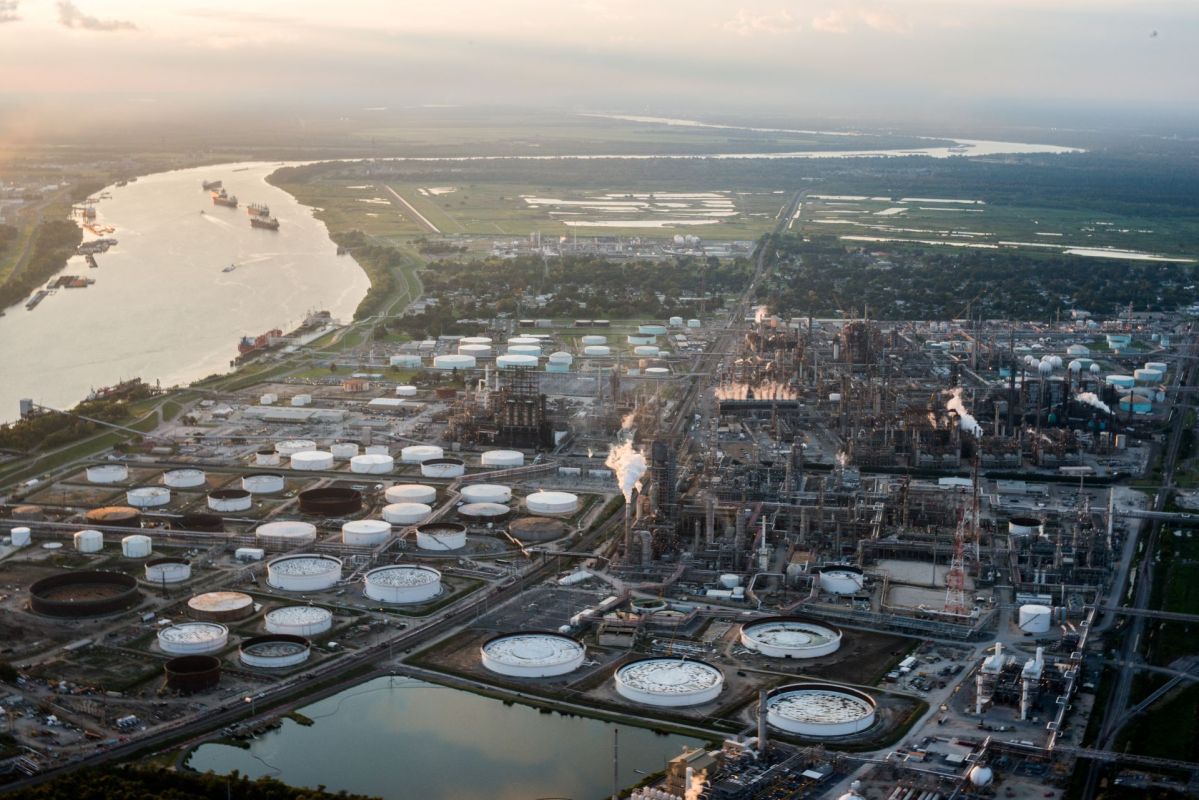
People who live near Louisiana's dense stretch of industrial plants known as "Cancer Alley" have long worried about the toll those facilities may be taking on children and their education.
New research now adds data to those concerns and intensifies questions about pollution's role in both children's health and their performance in school, The Lens reported.
What happened?
According to a commentary piece in The Lens, new findings from the CoDA Environmental Health Study indicate that children in some parts of the Greater New Orleans region face higher rates of learning disabilities and other health issues where industrial pollution exposure is greater.
Researchers combined Louisiana Medicaid records with data from the U.S. Environmental Protection Agency and the Louisiana Department of Environmental Quality.
The analysis centered on areas near refineries and petrochemical plants, which include part of the region commonly referred to as Cancer Alley.
Environmental justice advocate and nonprofit leader Kanitra Caston authored the piece for The Lens.
TCD Picks » Quince Spotlight
💡These best-sellers from Quince deliver affordable, sustainable luxury for all




"The recently released CoDA Environmental Health Study gives scientific weight to what many families in our communities have feared for years: children living in areas with higher industrial pollution exposure experience higher rates of learning disabilities and other health issues," Caston wrote in the report.
Among the findings, the data showed girls in the higher-exposure areas, the study found greater risks of nutritional anemia, dermatitis, eczema, and early puberty.
Why is this analysis concerning?
Caston said the classroom impact is significant because schools in communities next to industrial sites already serve many students who need special education and behavioral support.
There is nothing wrong with having a learning disability. While there aren't any cures for learning disabilities, no one who has one should have to be "cured" for others to accept them.
At the same time, parents want to ensure that their kids will get the resources they need to thrive and learn in healthy environments. And when financial resources are limited, that can create worry and concern.
According to the American Lung Association, kids are more susceptible to pollution because, among other reasons, they breathe faster. The pollution they breathe in can cause asthma and other chronic illnesses. Reducing the amount of pollution kids in Cancer Alley breathe in is especially crucial to keep them healthier and safer.
What's being done?
Caston wants policymakers, school leaders, and industry officials to respond more aggressively.
She wrote that communities with the highest industrial exposure need more funding for health screenings, behavioral health care, special education, early intervention, and academic support.
She also argued for stronger collaboration between schools, local governments, and industry so that children living near these sites get direct assistance rather than carrying the consequences on their own.
Caston said the region needs to curb pollution across the air, water, and soil. That would mean addressing the source of the problem rather than only its consequences.
"The future of the Greater New Orleans area depends on whether we are willing to protect not only the environment surrounding our children, but also their ability to learn, grow, and thrive," Caston concluded.

Get TCD's free newsletters for easy tips, smart advice, and a chance to earn $5,000 toward home upgrades. To see more stories like this one, change your Google preferences here.






