


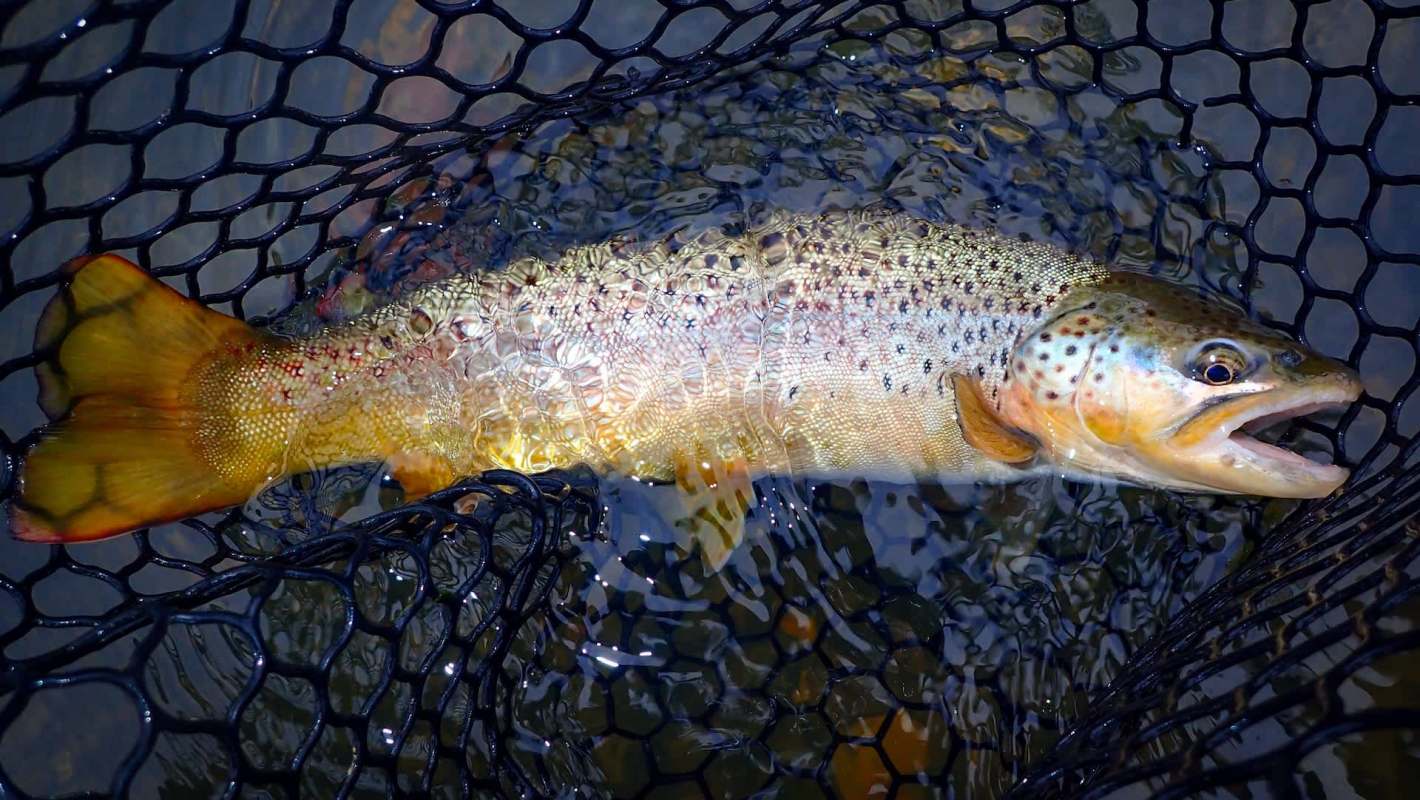
Montana wildlife managers say brown trout have shown up in the Flathead system, an area known for exceptional fishing and important native trout populations.
In response, the state is urging anglers to immediately dispatch any brown trout they catch in designated parts of the watershed, as Wired2Fish detailed.
What happened?
Because the Flathead Drainage includes Westslope cutthroat trout and threatened bull trout, a Montana Fish, Wildlife & Parks press release said even a small number of brown trout detections is cause for concern.
"The detection of a brown trout anywhere in the Flathead Drainage is something we take very seriously," FWP fisheries biologist Kenny Breidinger said in the release.
An angler's catch confirmed the species in Ashley Lake, and another brown trout was recently reported from Church Slough, raising fears it could spread through the wider watershed.
As Wired2Fish reported, state biologists are treating these isolated detections as serious warning signs. While brown trout are a popular sport fish in many places, fisheries managers say this corner of northwest Montana is the wrong place for them.
TCD Picks » Quince Spotlight
💡These best-sellers from Quince deliver affordable, sustainable luxury for all




Why does it matter?
According to the U.S. Geological Survey, people introduced brown trout to the U.S. from Germany in 1883. Since then, people have been stocking brown trout in bodies of water in essentially every state.
"In Ashley Lake and Church Slough, brown trout will compete for resources with and prey upon other sportfish," Breidinger explained. "More concerning, both waterbodies provide a source for brown trout to spread throughout the Flathead Drainage."
Brown trout, however, are not intentionally trying to take resources from other fish. They're just trying to survive. It's instead on humans to manage them and other wildlife properly in order to rebalance ecosystems.
In the release, Breidinger said their spread in the Flathead Drainage "would have substantial negative impacts on the Flathead fisheries."
The Flathead's fisheries help support local recreation and businesses that rely on healthy rivers and lakes. When a fishery is damaged, the effects can ripple through communities that depend on visitors.
The find could also hinder conservation work already underway. Once an introduced fish population becomes established, agencies rarely have a realistic way to remove it completely.
Officials in Montana are also working on addressing northern pike as well as largemouth and smallmouth bass this summer, as Wired2Fish noted.
What can I do?
"Anglers are our best partners in that effort, and reporting any brown trout they catch will help us respond quickly and effectively," Breidinger concluded in the release.
Anglers who catch a brown trout anywhere in the Flathead Drainage above SKQ Dam are being asked to kill the fish and then report it to FWP's Region 1 office. Biologists also want to know when and where it was caught and, if possible, receive the fish for monitoring.
Learning the many ways in which they can present themselves is also important for reporting fish properly.
Officials noted that fish living in lakes may not show the classic golden-brown coloring many people expect. In places like Ashley Lake, they may appear as bright silver fish with dark green backs and large black spots.

Get TCD's free newsletters for easy tips, smart advice, and a chance to earn $5,000 toward home upgrades. To see more stories like this one, change your Google preferences here.







