


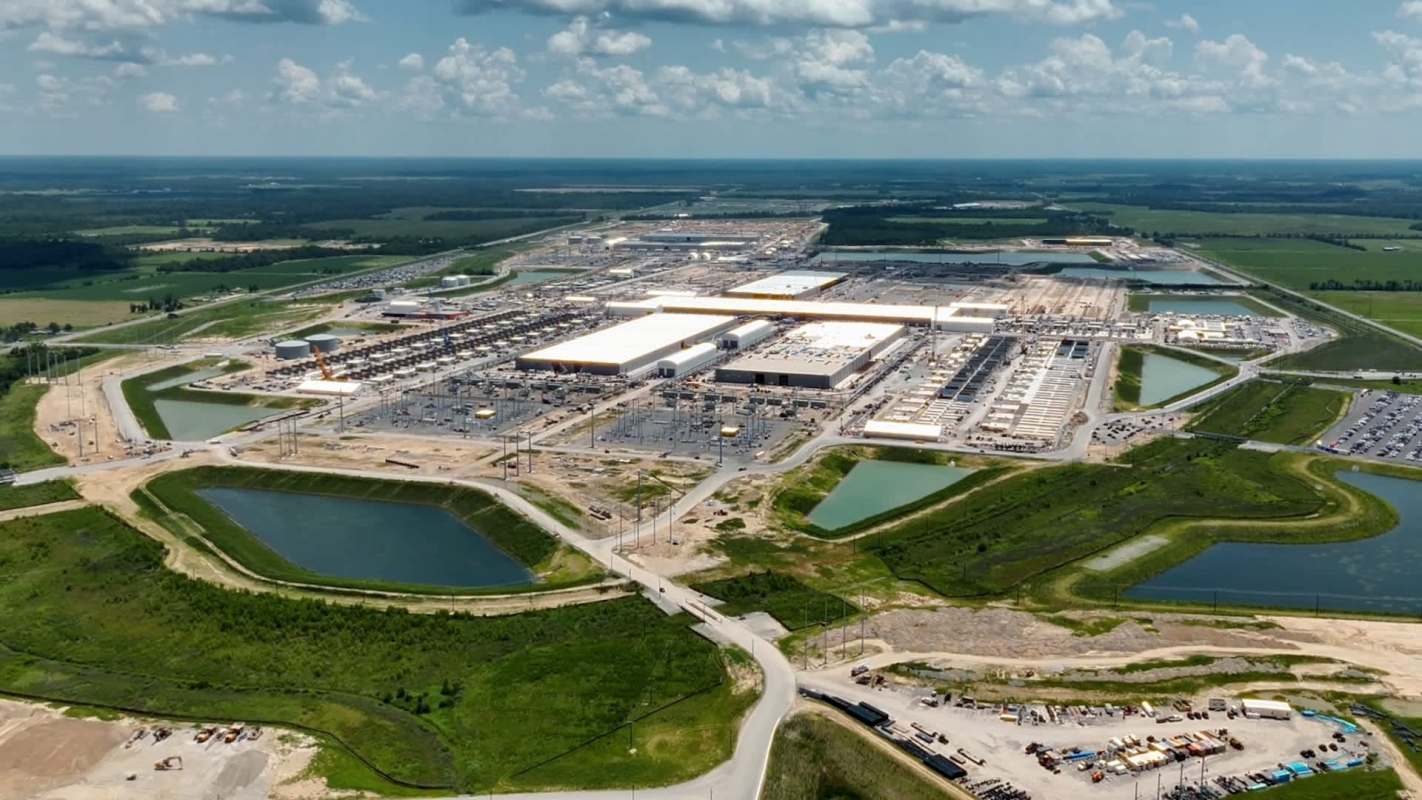
After spending the past year funding natural gas plants for its artificial intelligence operations, Meta has left a major corporate renewable energy group, TechCrunch reported.
It's one of many examples of how major companies talk about "clean energy" even as they add infrastructure that can negatively affect nearby communities.
What happened?
Meta is no longer in RE100, TechCrunch reported on July 23. Meta had belonged to the initiative, which centers on companies working toward 100% renewable electricity, for about a decade, and a spokesperson said the split was mutual.
To support its AI data centers, Meta has backed numerous gas plants over the last year, including a 200-megawatt facility in Ohio and 10 plants connected to its Hyperion project in Louisiana.
The planned plants in Louisiana are expected to deliver 7.5 gigawatts of electricity, enough to power South Dakota and then some. Despite that, Meta told TechCrunch that it was still committed to matching its data center electricity use "with 100% clean and renewable energy."
RE100 has also recently tightened its reporting expectations for members. That comes after Meta had previously told the group it would "run its entire operations on renewable electricity by 2020."
TCD Picks » Quince Spotlight
💡These best-sellers from Quince deliver affordable, sustainable luxury for all




Why is this concerning?
It shows how far corporate climate promises can drift from what is happening on the ground, particularly as AI drives a major surge in electricity demand.
TechCrunch reported that a gas-powered 1-gigawatt data center running nonstop could emit roughly 483 tons of nitrogen oxides, 164 tons of fine particulate matter, 67 tons of sulfur oxides, and 328 tons of carbon monoxide. Natural gas may burn cleaner than coal, but those emissions have been linked to asthma, heart disease, cancer, and other serious health issues.
The costs of AI expansion may not show up only on a corporate balance sheet. They can also take the form of dirtier air, strained power systems, and communities living closer to new fossil fuel infrastructure.
Part of the concern is greenwashing. Through environmental attribute certificates, a company can offset its electricity use on paper and still highlight renewable progress even if gas remains central to its actual operations.
What's being done?
Some companies and industry groups are pushing for stricter accounting standards. RE100's tougher reporting rules appear to be one example, and some tech companies are moving beyond annual renewable matching toward hourly matching, which more closely reflects when electricity is actually being used.
That more rigorous approach can encourage cleaner investments, such as renewable energy paired with battery storage, instead of new fossil fuel plants. Google backed that kind of project in Minnesota, TechCrunch reported in February.
Meta says it is still committed to matching data center electricity use "with 100% clean and renewable energy." At the same time, its earlier promise to "run its entire operations on renewable electricity by 2020" now clashes with a rapidly expanding gas buildout.

Get TCD's free newsletters for easy tips, smart advice, and a chance to earn $5,000 toward home upgrades. To see more stories like this one, change your Google preferences here.






