


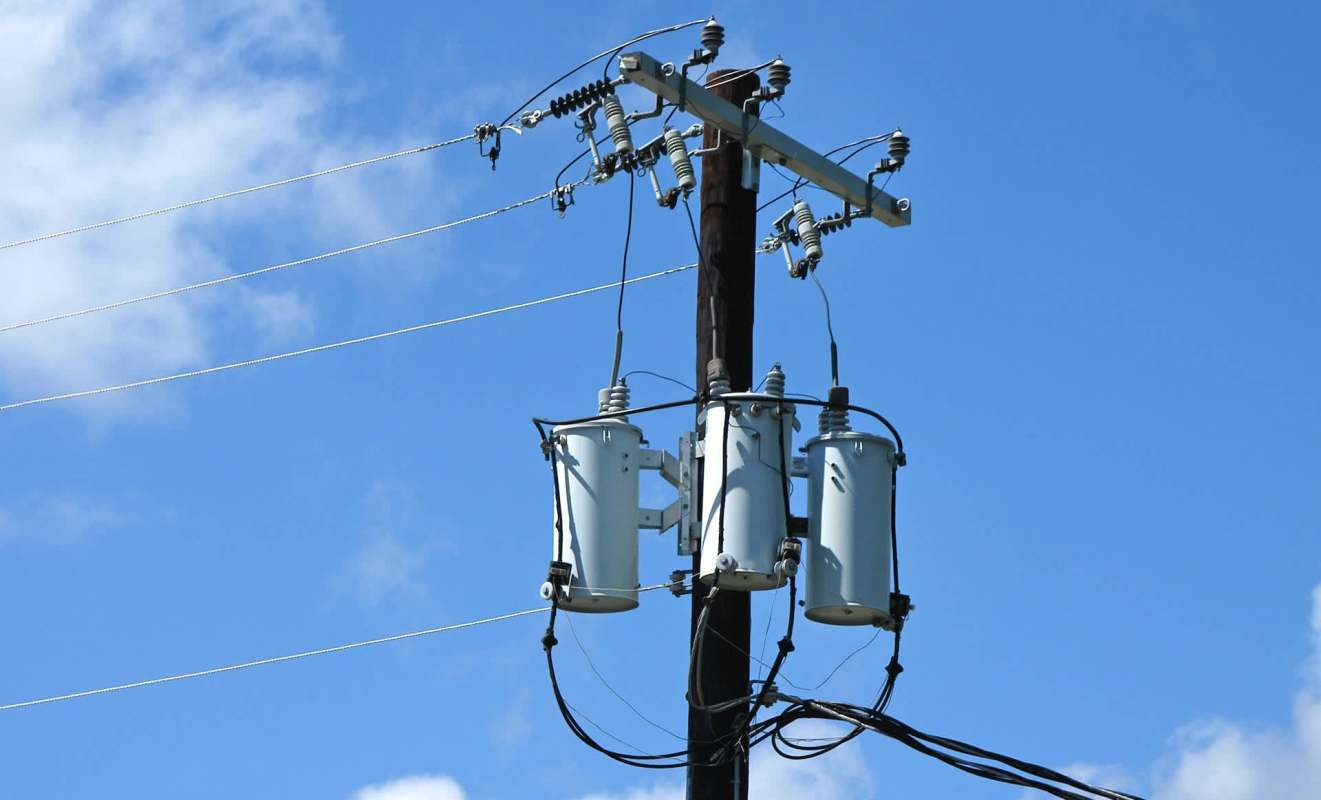
Texas unofficially set record power demand Wednesday as blistering heat had air conditioners running across the state. Even so, the electric grid did what many Texans hope during extreme summer weather: It held.
What happened?
As temperatures climbed, including to a reported 106 degree high at Camp Mabry in Austin, electricity use rose to about 91,000 megawatts. According to CBS Austin, the previous peak of 85,508 megawatts was set Aug. 10, 2023.
A spokesperson for the Electric Reliability Council of Texas told CBS Austin that the figure was preliminary and would not be finalized for some time. Still, no energy conservation alert was issued, which is a fear for many residents.
Several thousand megawatts of capacity remained available on the grid, per CBS Austin.
Why does it matter?
When electricity demand rises during extreme heat, the effects can be immediate for households. Higher bills, strain on infrastructure, and the risk of outages can turn power reliability into a health and safety issue, especially in triple-digit temperatures.
The apparent record also highlights how Texas' fast expansion is changing the power system. Ed Hirs, an energy fellow at the University of Houston, said the buildout of data centers around the state is pushing electricity prices higher.
TCD Picks » Quince Spotlight
💡These best-sellers from Quince deliver affordable, sustainable luxury for all




"Especially since residential consumers pay almost double the rates and don't get the tax benefits," he told CBS Austin.
The ERCOT system is "an energy-only wholesale market," CBS Austin reported, in which generators are paid a wholesale rate for the power they provide. "The more scarce energy is — and the higher the demand — the higher the price," the outlet stated, citing the grid operator.
That means that even when the system avoids failure, Texans can still feel the strain through higher monthly power costs.
What's being done?
A key reason the grid managed the demand is the expansion of renewable generation and storage. Hirs said solar, wind, and battery resources covered the jump.
"We have had fabulous growth in solar farms and wind farms and short-run battery capacity," he told CBS Austin.
That can be especially helpful on scorching afternoons, when solar generation is highest and air-conditioning demand peaks.
On the policy side, Gov. Greg Abbott wrote Thursday that data centers should cover their own costs, supply their own power, and lower electricity costs, CBS Austin said. The comment came as scrutiny grows over how energy-intensive industries connect to the grid.
ERCOT said people can use its app or website to monitor real-time electricity data as the hottest stretch of summer approaches.
"The market has always rewarded scarcity and not reliability," Hirs said.
At the same time, he added, "Without solar and without wind, the Texas grid and the Texas economy are just absolutely dead in the water."

Get TCD's free newsletters for easy tips, smart advice, and a chance to earn $5,000 toward home upgrades. To see more stories like this one, change your Google preferences here.






