


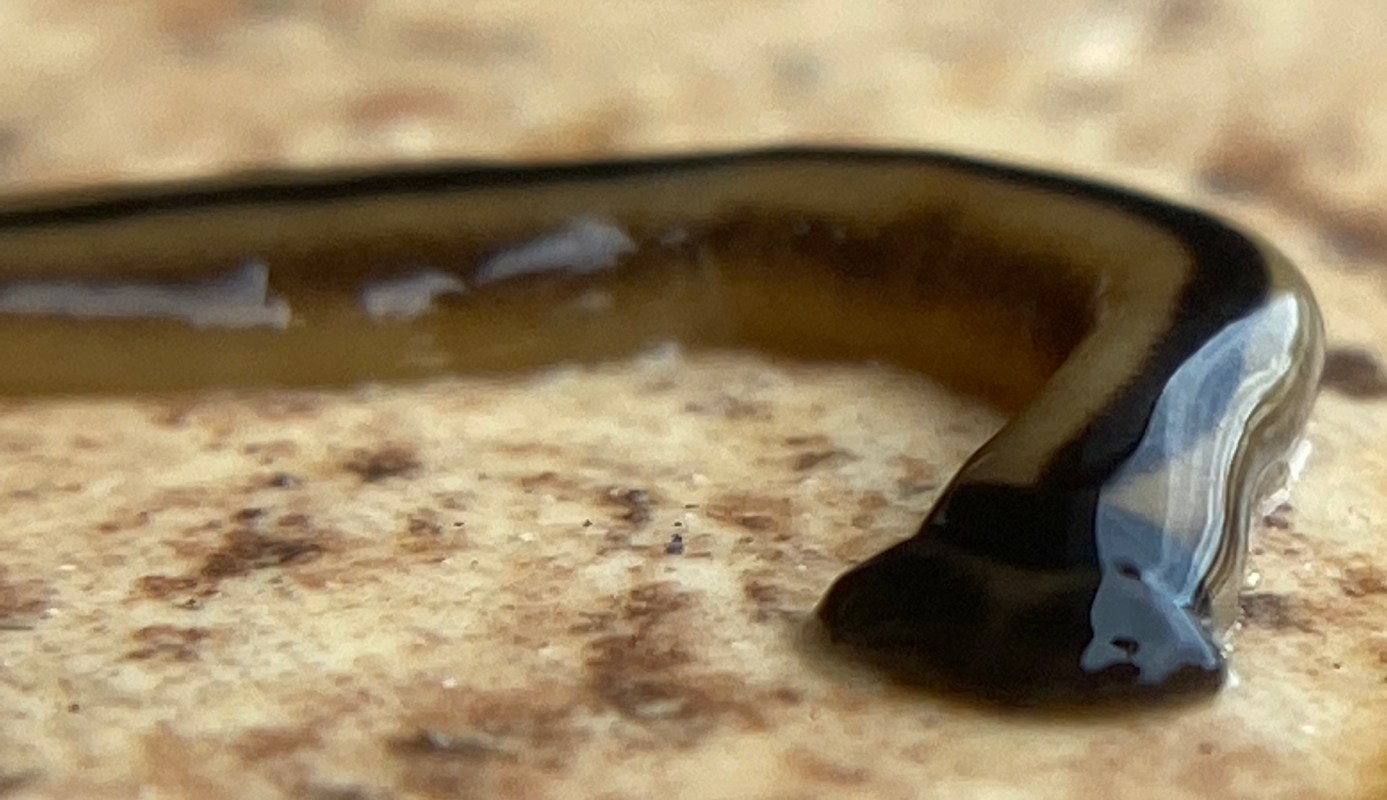
An invasive worm with a shovel-shaped head is turning up in Alabama again, and experts are warning homeowners not to follow one common instinct: do not chop it up.
Hammerhead worms can regenerate from fragments, so one unpleasant backyard discovery can quickly become an even bigger problem.
What happened?
According to the Early Detection & Distribution Mapping System, the latest confirmed hammerhead worm sighting in Alabama was recorded in Mobile on July 20. The person who submitted the report said 30 or more of the invasive flatworms were found at one site, as reported by the Montgomery Advertiser.
Hammerhead worms, also known as shovel-headed worms or land planarians, are recognizable by their wide, flattened heads and long bodies. They are often brown or gray with stripes or mottled markings, and some can grow to about 15 inches long.
These flatworms do well in warm, wet conditions and are often noticed after heavy rain in gardens, mulch beds, and underneath rocks or logs.
Their diet includes earthworms, along with slugs, snails, and other tiny animals living in the soil, which can throw off the balance of a yard's ecosystem.
TCD Picks » Quince Spotlight
💡These best-sellers from Quince deliver affordable, sustainable luxury for all




Why does it matter?
The main concern is their effect on soil life. When hammerhead worms feed on earthworms, they reduce a species that helps aerate the ground and break down organic matter, weakening soil health.
They also raise concerns for people and pets because they contain tetrodotoxin, the same toxin that makes pufferfish dangerous to eat. They are not considered a major danger to humans, but touching one with bare hands can irritate the skin, and pets should not be allowed to eat them.
Hammerhead worms are native to Southeast Asia, and their spread in the U.S. is often tied to human activity, such as the movement of soil, mulch, and nursery plants between regions.
That overlap between human activity and unfamiliar species shows up across other invasive species encounters as well.
What can I do?
If you find a hammerhead worm, rather than leaving it in the yard, but they caution against crushing or chopping it with tools such as a shovel or hoe.
Even small pieces can survive. When the worm is cut apart, the fragments may regenerate into multiple worms.
Seal the worm in a bag or container with salt, vinegar, rubbing alcohol, or citrus oil, leave it there until it dies, and then throw it away in the trash.
If you accidentally touch one, scrub the spot well with soap and water. Kids shouldn't pick them up, and pet owners should keep dogs and cats away from them.
Homeowners are also encouraged to check damp parts of the yard after rainy weather, especially garden areas, mulch beds, and places under rocks. Catching them early can help prevent them from spreading farther through a yard.

Get TCD's free newsletters for easy tips, smart advice, and a chance to earn $5,000 toward home upgrades. To see more stories like this one, change your Google preferences here.






