


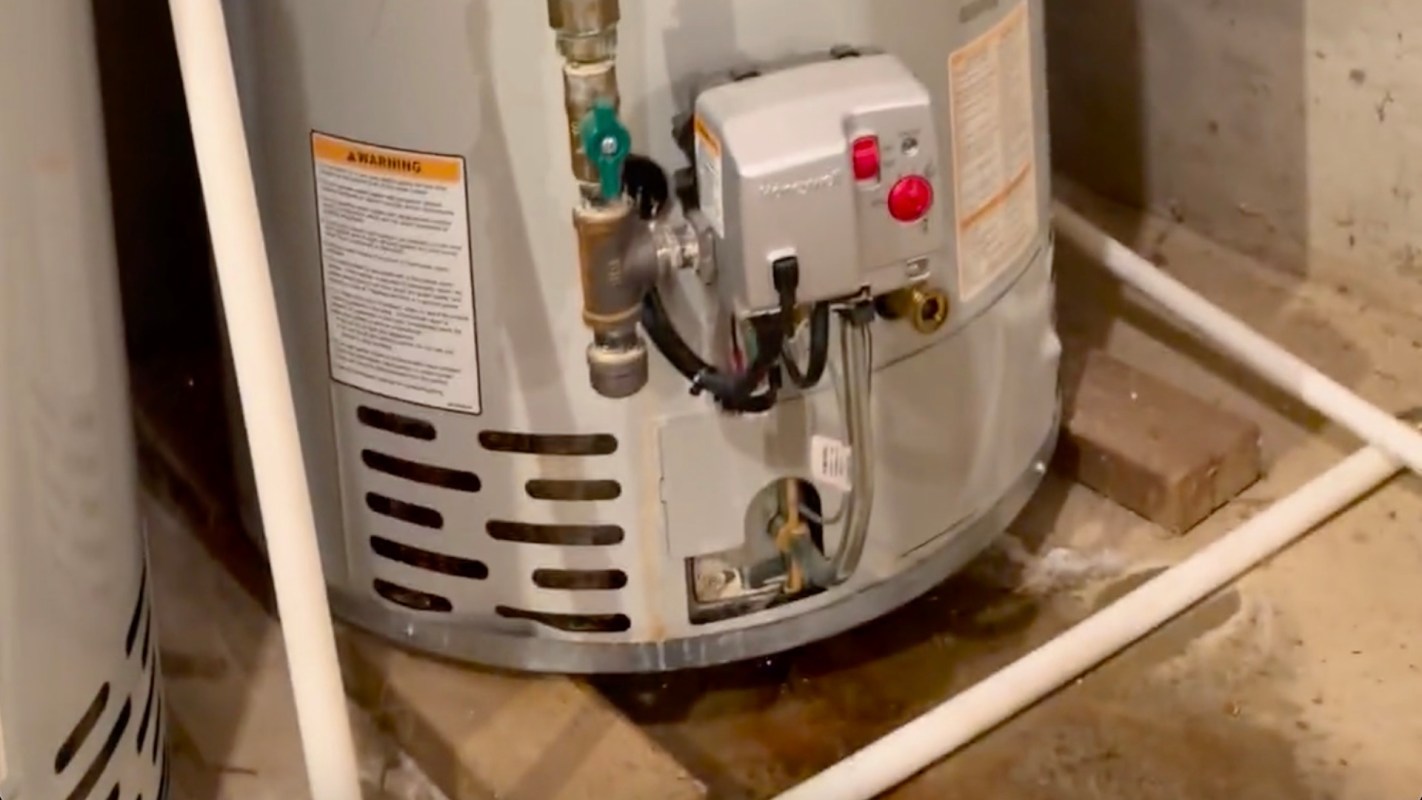
A small puddle near a gas line can instantly trigger fears of a dangerous leak, but for one homeowner asking for help online, the real culprit may have been something more familiar and potentially more expensive: a failing water heater.
If replacement is needed, there may be a silver lining for their monthly budget: Heat pump water heaters typically use far less electricity than standard electric models.
What happened?
In a post on Reddit's r/Plumbing, the worried user shared a video showing water pooling near a black hose — right next to a gas water heater.
(Click here if embedded video doesn't play.)
The homeowner noted that the gas line was connected nearby but said they didn't smell gas.
"What is leaking? The gas line is connected close here but it does not smell like gas. Should I use pipe tape to seal this black hose?" they asked.
They said there was barely any water visible beneath the unit and that the tank "does NOT appear to be leaking."
The homeowner also noted that a previous owner had reported a leak that eventually stopped, and they were hoping for "a quick fix for today," though commenters largely urged caution.
Save $10,000 on solar panels without even sharing your phone number Want to go solar but not sure who to trust? EnergySage has your back with free and transparent quotes from fully vetted providers in your area. To get started, just answer a few questions about your home — no phone number required. Within a day or two, EnergySage will email you the best options for your needs, and their expert advisers can help you compare quotes and pick a winner. Solar panels can save you more than $50k over their 25-year lifespan, and EnergySage can help you save as much as $10k on installation. Which begs the question — isn't that worth an email or two? |

Not everyone in the thread agreed on the diagnosis, and one user suggested checking the top supply lines first.
"You don't need to replace the water heater," one opined.
Most commenters, however, suspected a total tank failure.
"Looks like water from the tank is finding its way down via those wires … tank failure. Time to replace," one wrote.
"Sorry dawg but it's the tank," another added. "It might be fixable but I'd get a professional out asap to look at it."
Why does it matter?
Water heaters do not always fail in obvious ways. Leaks can travel along wires, pipes, or the unit's outer jacket, making the true source harder to identify.
That can easily send homeowners looking in the wrong place — especially when water appears near a gas connection.
Ongoing leaks can damage nearby walls and flooring, while an aging water heater can quietly drive up utility bills before it fully gives out.
Water heating is one of the biggest energy uses in many homes, and a failing unit can create a double burden: repair or replacement costs on one hand, and costly wasted energy on the other.
If replacement is necessary, heat pump water heaters move heat rather than generating it the traditional way, which can lower air pollution while reducing household energy use.
What can I do?
If you spot unexplained moisture around a water heater, take photos, monitor whether the leak returns, and call a licensed plumber or technician, especially if the unit is older, rust-stained, or no longer delivering hot water consistently.
If you smell gas at any point, leave the area and contact your utility or emergency services right away.
If the unit does need to be replaced, it's worth comparing options before installing another standard tank.
Cala makes smart heat pump water heaters designed to adapt to a household's routine. Its customizable smart heat pump water heaters help homeowners decrease their energy bills by heating water exactly when it's needed.
That kind of flexibility can help households avoid wasting energy by keeping large amounts of water hot around the clock, which is especially useful for families with variable schedules or predictable peaks in hot-water use.
For homeowners trying to turn an unexpected plumbing problem into a money-saving upgrade, Cala is one option worth a closer look.
By the end of the discussion, the takeaway was less about a do-it-yourself patch and more about getting expert help quickly, but one user urged the poster to upgrade.
"Go tankless," they replied.

Get TCD's free newsletters for easy tips, smart advice, and a chance to earn $5,000 toward home upgrades. To see more stories like this one, change your Google preferences here.






