


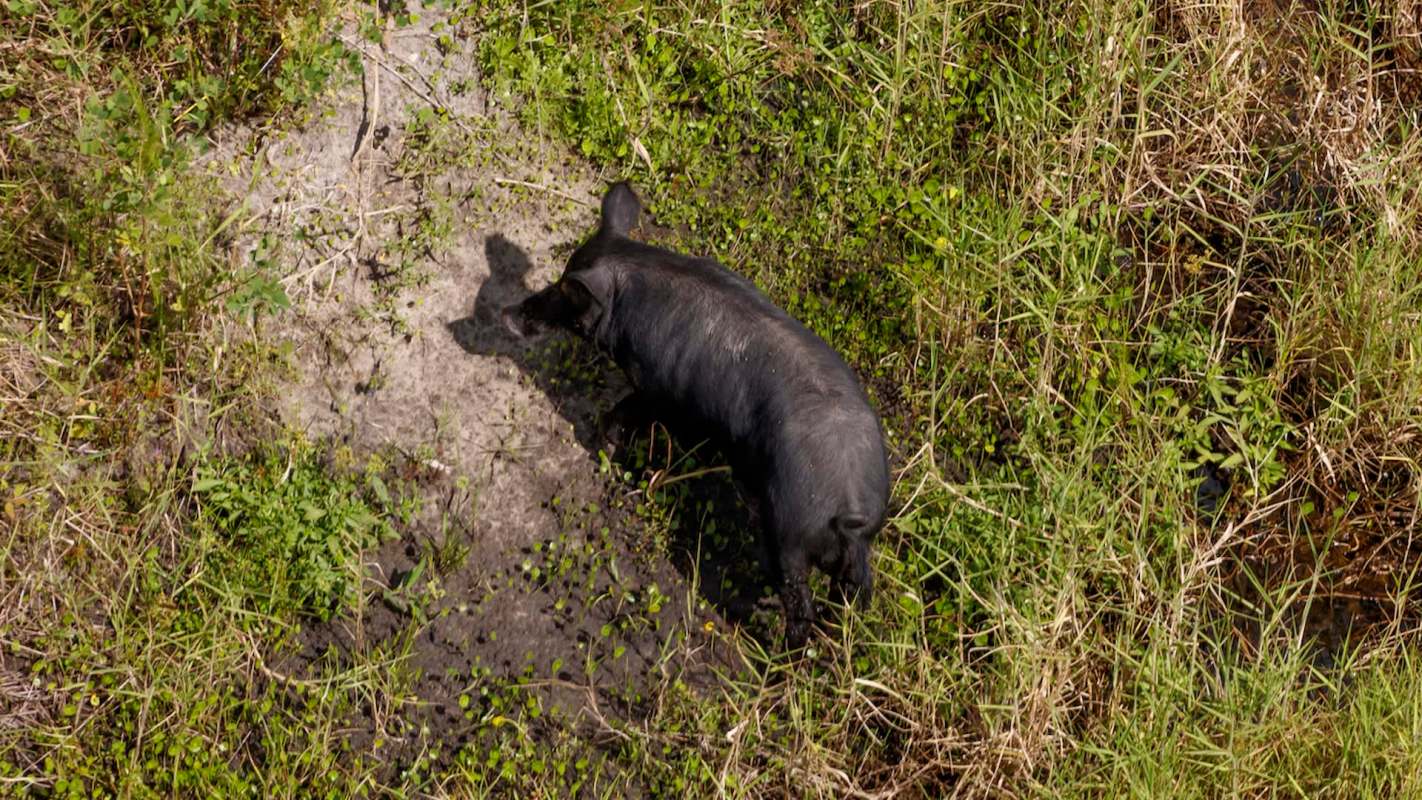
In parts of Edgewater, Florida, residents say nighttime visits from feral hogs have left lawns dug up by morning. City leaders say a trapping campaign launched in response to those complaints is beginning to ease the problem for some homeowners.
What happened?
Officials say the trapping program started in May after growth near hog habitat appeared to displace the animals, and Edgewater has since captured 50 of them in three months, WKMG reported.
Years of yard damage have left homeowner Cathy Parish trying to block the animals out, but she said even fencing has not fully worked.
"I put a fence as much as I could around the yard because if you don't, you've had it," she said. "Sometimes they still go under. They'll take that little nose and go right under."
She said repairing the mess takes money and labor, especially after rain softens the ground enough for the hogs to carve deep tracks.
Hearing that 50 had been removed brought an enthusiastic response from Parish: "50! Well that just makes me feel wonderful! Hallelujah! We've been after the city for years for help! Like, please!"
TCD Picks » Quince Spotlight
💡These best-sellers from Quince deliver affordable, sustainable luxury for all




Why does it matter?
Feral hogs can tear up lawns, damage landscaping, and leave homeowners with repeated repair bills and lost time.
The pressure can increase when development changes where animals live. In Edgewater, officials said construction was pushing hogs out of their usual habitat, and a BBC Future explainer notes that human-altered landscapes often bring wildlife into closer contact with neighborhoods.
Beyond individual properties, feral hog activity can damage green spaces, harm crops, and raise safety concerns in neighborhoods where residents may encounter aggressive or startled animals.
What's being done?
According to WKMG, Police Lt. David Williams is coordinating the response by mapping where complaints are coming from so the Florida Fish and Wildlife Conservation Commission can place traps in the areas seeing the most activity.
City officials say the strategy is meant to remain flexible. Rather than leaving traps in one place indefinitely, they plan to move them as complaint patterns shift. Williams said the city will remain "reactive" to reports from residents, relocating traps once activity slows in one area and increases in another.
Residents who see a feral hog or notice fresh damage are being asked to notify the Edgewater Police Department so officials can track hotspots and respond more quickly.

Get TCD's free newsletters for easy tips, smart advice, and a chance to earn $5,000 toward home upgrades. To see more stories like this one, change your Google preferences here.






