


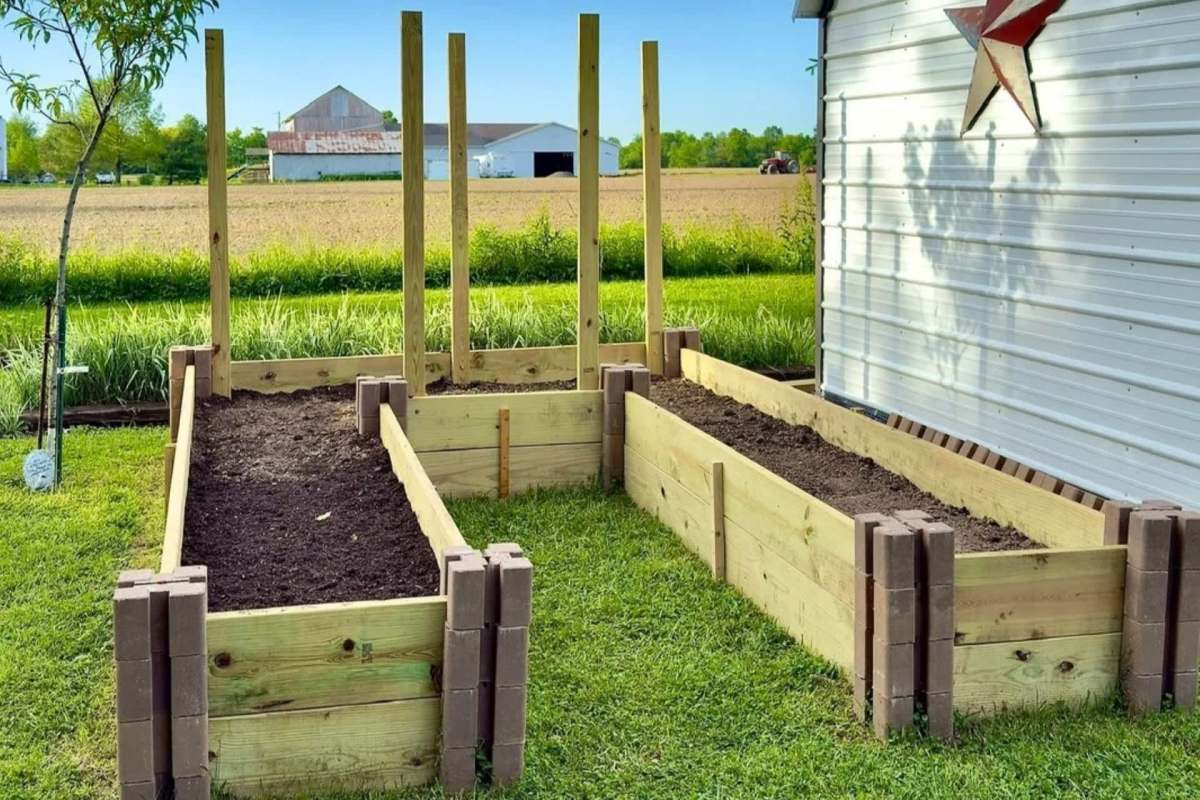
A northeast Ohio homeowner who is getting back into gardening shared DIY raised beds built on a base of old logs, dead leaves, and brush, and Reddit users answered with a flood of clever, low-cost ideas.
What happened?
In a post on Reddit, the user introduced themself as a "first time poster wishing to share my garden" and presented raised beds made with the Hügelkultur method.
Beneath the compost and topsoil, the gardener had layered cured oak and maple logs with leaf litter and yard brush. They also included a photo of their dog "helper."
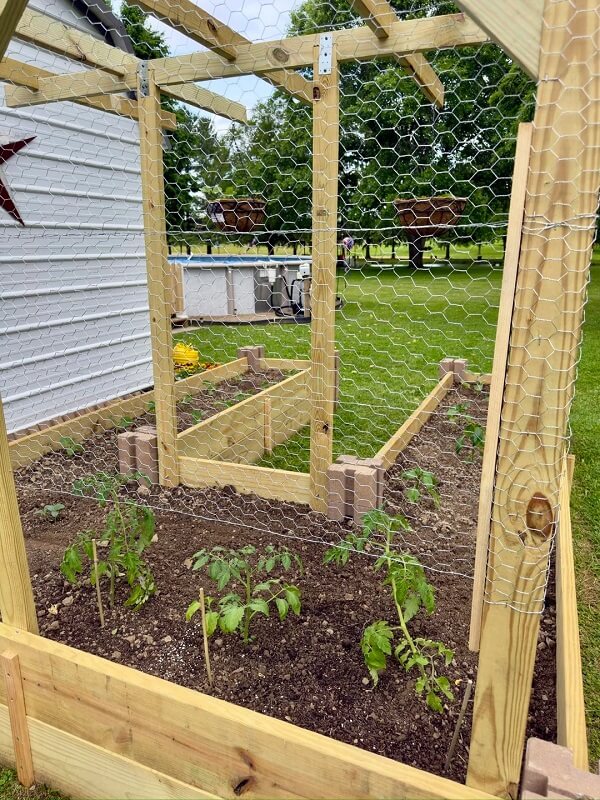
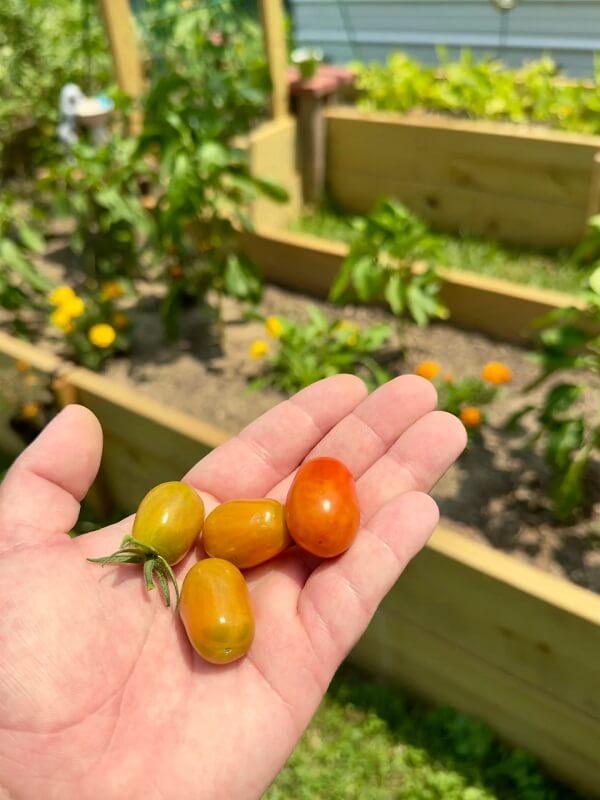
The responses combined encouragement with practical suggestions, and the OP said gardening had been "therapeutic."
Among the ideas people offered were rebar to make the beds more stable, mulch to help the soil keep moisture, a solar drip system for about $40, oyster mushrooms grown on the buried wood, and canning tomatoes later to cut grocery costs.
Why does it matter?
Hügelkultur repurposes woody debris and leaf litter that might otherwise be discarded, and as that material breaks down, it can improve soil structure and help retain moisture over time.
TCD Picks » Quince Spotlight
💡These best-sellers from Quince deliver affordable, sustainable luxury for all




Using materials already in the yard can lower gardening costs and cut down on trips to buy soil amendments or produce. Home gardens can help reduce spending on tomatoes, herbs, greens, peppers, and other staples, especially during the height of the growing season.
Many gardeners prefer the taste of produce picked fresh from the backyard over store-bought fruits and vegetables that may be harvested early to hold up during shipping.
Gardening can also support both mental and physical health. It gets people moving through digging, lifting, and weeding, while the routine of caring for plants can reduce stress and create a sense of progress.
What can I do?
One raised bed, a few containers, or a small patch of yard can be enough to start growing food, and this guide page on growing your own food offers a simple roadmap.
If you want to build a similar bed, start with untreated logs or branches, add layers of leaves and brush, and finish with compost and soil. Mulch can cut down on watering, and a simple drip setup can save time during hotter weather.
If you're building with blocks, rebar can help keep the structure sturdy. Freezing or canning extra produce can also help stretch the savings well beyond summer.

Get TCD's free newsletters for easy tips, smart advice, and a chance to earn $5,000 toward home upgrades. To see more stories like this one, change your Google preferences here.






