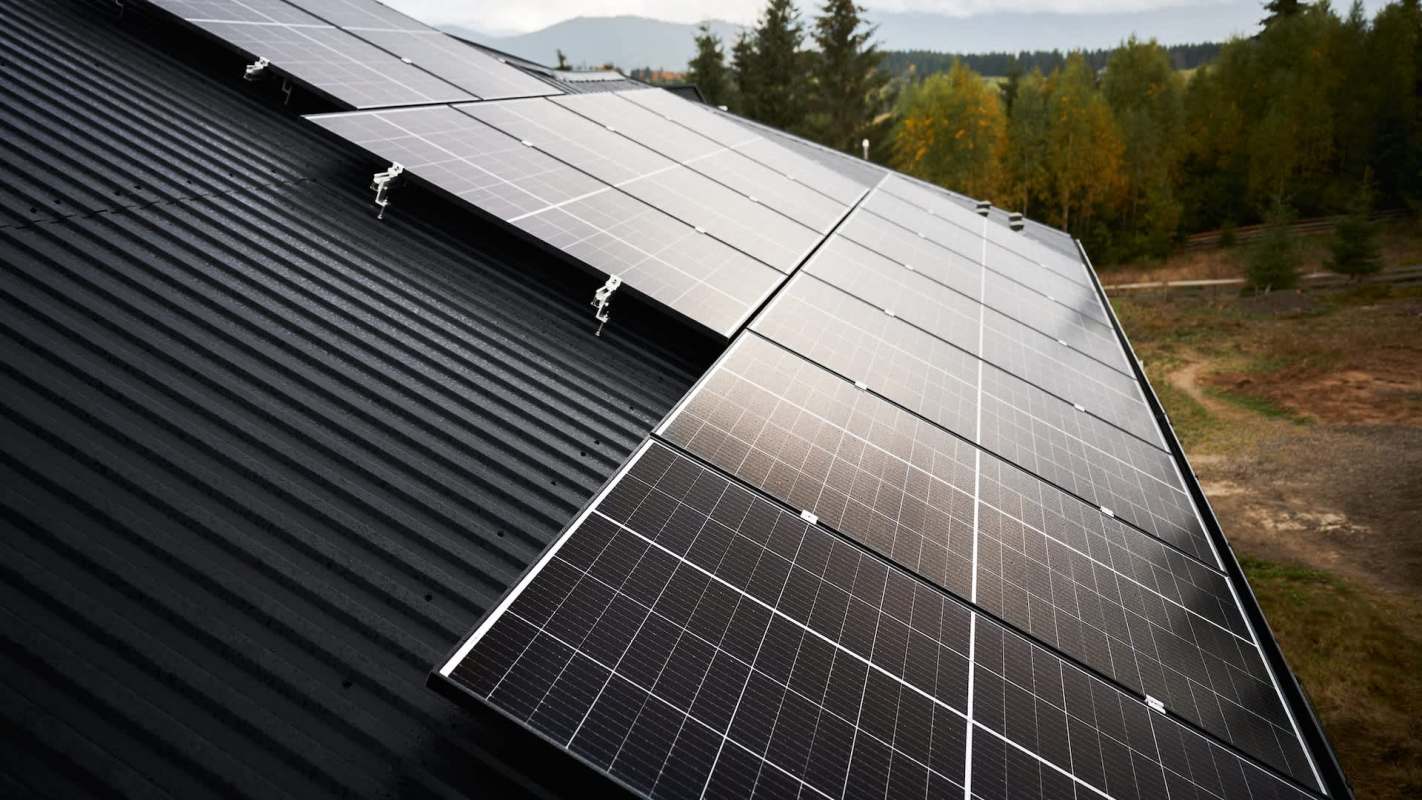
New data shows just how quickly America is adopting solar energy to support its grid.
In the first quarter of 2026, solar and battery storage supplied nearly all new electricity-generating capacity added to the U.S. grid, and that momentum continued through the first half of the year, as clean energy systems from California to Texas and across the Midwest kept setting new performance records.
What's happening?
Figures from the Solar Energy Industries Association, cited by PV Magazine, indicate that solar and energy storage were responsible for 91% of new U.S. power capacity added in early 2026.
The combined quarterly share for those two technologies was the highest ever recorded.
Solar also crossed another major threshold in May, overtaking coal output for the first time in the U.S.
A decade ago, solar made up only a small fraction of the nation's energy mix. Now, it supplies about 13% of U.S. electricity demand.
TCD Picks » Quince Spotlight
💡These best-sellers from Quince deliver affordable, sustainable luxury for all




California and Texas delivered some of the most notable milestones PV Magazine noted.
On July 9, batteries in the California Independent System Operator region discharged a record 12.99 gigawatts, meeting 36% of total energy demand during a difficult evening peak. The following day, California solar output reached 23 gigawatts, enough to supply 72% of afternoon demand.
Texas posted records of its own, including on March 14, when total renewable energy generation provided enough electricity for 79% of the state's demand.
Why does it matter?
These milestones come as electricity demand is rising nationwide and retail energy prices remain a major concern for many households.
Adding new generation quickly — especially resources that can help meet peak demand — is important for grid reliability and affordability.
California's battery record shows how storage can help fill the gap after sunset, when solar production falls, but power use remains high.
Battery storage can ease pressure on the grid during some of the most difficult and expensive hours to serve.
When solar generates more electricity and batteries shift that power into high-demand periods, utilities can rely less on fossil fuel generation such as coal and gas. That can reduce planet-warming pollution as well as the harmful air pollution linked to power plants, while helping make the grid more resilient during periods of intense heat-driven demand.
What's being done?
As solar and utility-scale batteries become more affordable and can often be built faster than many conventional power sources, utilities, grid operators, and developers continue to add more of them.
Those advantages help explain why California and Texas have been out front, even though rapid growth is no longer confined to those states.
In the past three months, grids including the Southwest Power Pool, ISO New England, the Midcontinent Independent System Operator, and PJM Interconnection have each hit fresh solar generation highs, according to PV Magazine.
Those peaks coincided with record-high demand.
Rooftop solar, community solar subscriptions, battery backup systems, and utility rate plans that reward moving electricity use away from peak hours can help households benefit from a cleaner, more flexible grid.
Data like this reveals that solar and battery storage are no longer operating on the sidelines of the U.S. power system. They are quickly becoming central to how the country keeps the lights on when demand is high.

Get TCD's free newsletters for easy tips, smart advice, and a chance to earn $5,000 toward home upgrades. To see more stories like this one, change your Google preferences here.