


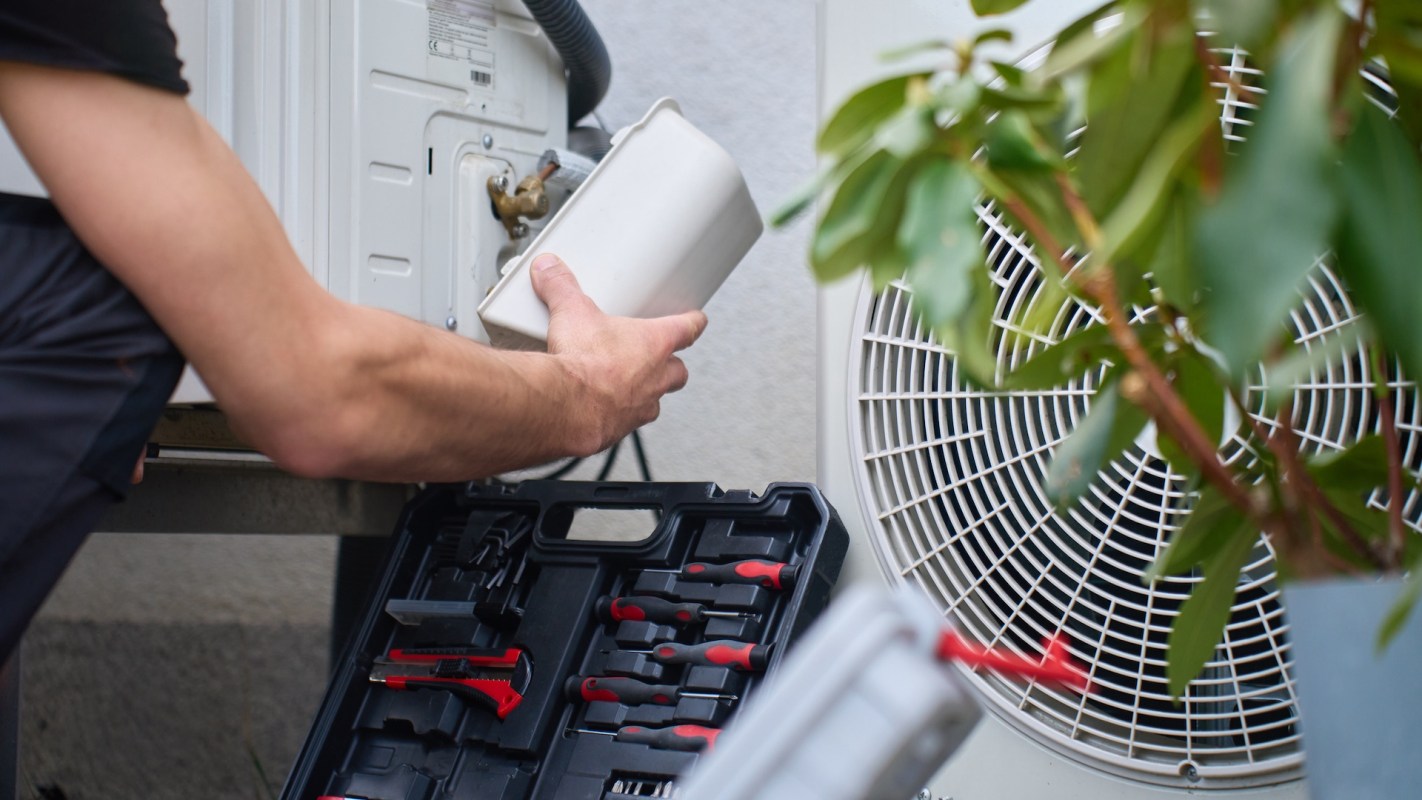
A federal tax credit for heat pumps expired at the start of 2026, and buyers in the U.S. don't seem to have noticed.
What's happening?
A federal tax credit of up to $2,000 for qualifying heat pump installations expired on Jan. 1, 2026. Even with that incentive going away, however, MIT Technology Review reported that U.S. sales have roughly doubled over the past 15 years, and in the first quarter of 2026 alone, heat pumps outsold methane-gas furnaces by 32%.
MIT Technology Review reported that UC Berkeley energy economist Lucas Davis said early-2026 sales data showed no drop after the credit disappeared. Davis said heat pump shipments held steady from December to January and then rose gradually into spring.
Those figures come from the Air Conditioning, Heating, and Refrigeration Institute, a trade group that covers about 90% of the U.S. market. The spring increase also appears to be somewhat stronger than the same seasonal trend seen in prior years.
Heat pumps are vastly more energy-efficient than traditional HVAC systems. Since many models can both heat and cool a home, they give households a single appliance for year-round comfort. That can mean lower energy costs over time, and while some federal tax credits have ended, rebates and other incentives may still be available in some places; homeowners can compare options through EnergySage's Heat Pump Marketplace.
Merino also offers single-room, ultra-efficient HVAC systems at a lower price point, giving consumers a targeted heating and cooling option that can be installed in under an hour.
Why does it matter?
Heat pumps can cut pollution from buildings while helping people better manage their utility bills. Rather than generating heat by burning gas or oil, they move heat from one place to another using electricity, making them far more efficient than gas furnaces, oil systems, or resistance heating.
That can translate into real household savings once the equipment is installed, and also allows homes to rely on just one system.
Save $10,000 on solar panels without even sharing your phone number Want to go solar but not sure who to trust? EnergySage has your back with free and transparent quotes from fully vetted providers in your area. To get started, just answer a few questions about your home — no phone number required. Within a day or two, EnergySage will email you the best options for your needs, and their expert advisers can help you compare quotes and pick a winner. Solar panels can save you more than $50k over their 25-year lifespan, and EnergySage can help you save as much as $10k on installation. Which begs the question — isn't that worth an email or two? |

Clean technologies often struggle when subsidies disappear. MIT Technology Review pointed to electric vehicle sales, which spiked before federal tax credits expired and then dropped sharply. Heat pumps, at least so far, appear to be telling a different story.
After four straight years of outselling gas furnaces in the U.S., heat pumps could be moving beyond a niche climate solution to become a more mainstream household appliance.
What's being done?
Even without that expired federal credit, state, local, and utility programs can still offer rebates, and comparison-shopping can help homeowners find the right size and setup for their homes instead of overpaying for equipment they don't need.
For initial steps, learn about installation costs, expected savings, and local incentives. Near the end of the process, comparing contractors and models through EnergySage's Heat Pump Marketplace can help narrow down options.
Homeowners interested in going even further can also use EnergySage to compare free solar quotes. With EnergySage's help, the average person can get nearly $10,000 in incentives for solar purchases and installations, potentially lowering the cost of powering an all-electric home.
As Davis wrote, "It appears that the U.S. market for heat pumps is strong enough that it does not depend on tax credits."

Get TCD's free newsletters for easy tips, smart advice, and a chance to earn $5,000 toward home upgrades. To see more stories like this one, change your Google preferences here.






