


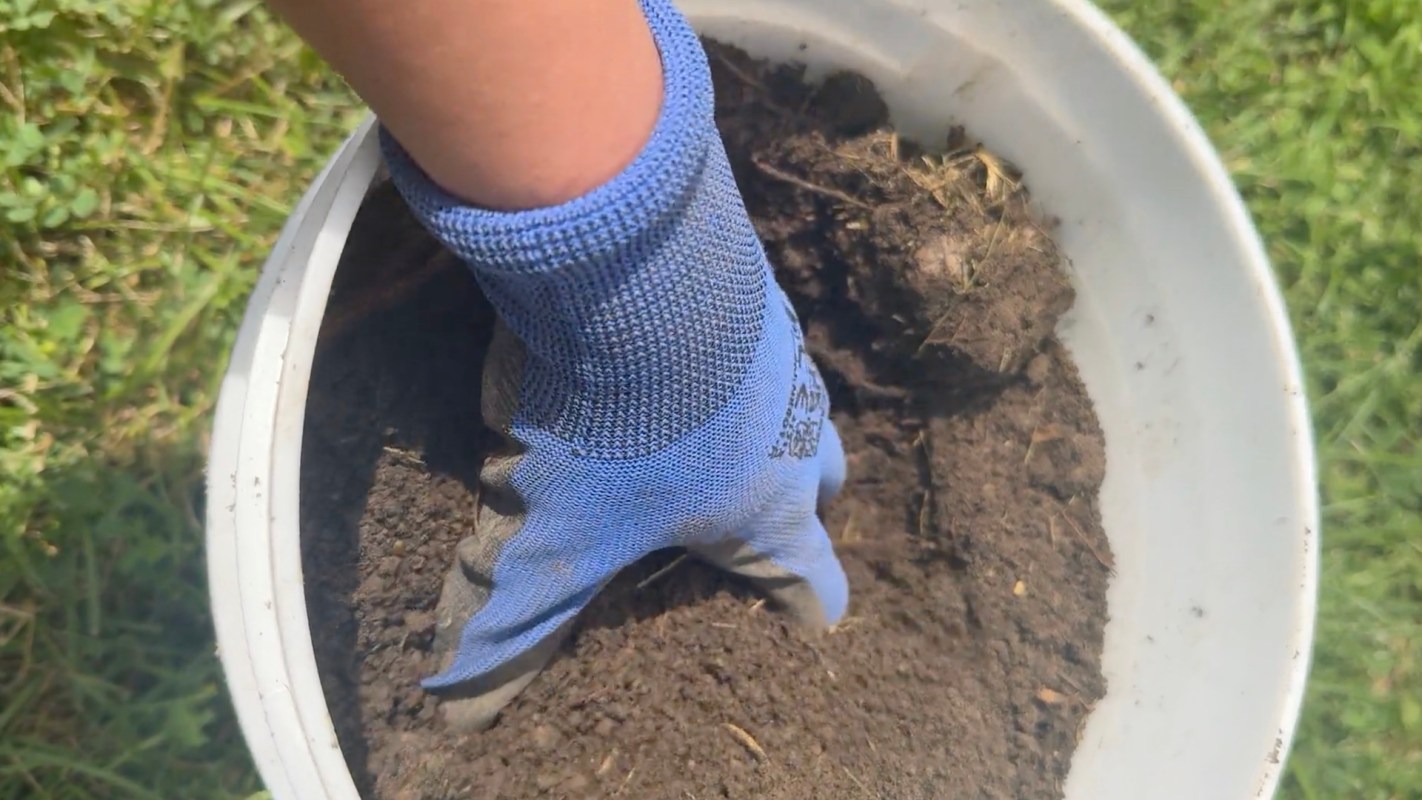
After years of failed compost piles, one home gardener finally found a surprisingly simple fix: rain-soaked cardboard.
The result was finished compost in about three months with no turning required, offering a useful lesson for anyone trying to build better garden soil at home.
What happened?
After six years of trying different composting methods without much success, the gardener told Reddit that this was the batch that finally worked.
A move had already interrupted one earlier attempt. According to the poster, a former neighbor later texted to say the new owner had thrown the entire old compost setup away.
At the current home in Zone 6b, the system was an Enviro World FreeGarden compost bin, fed with four thick grocery-store fruit boxes plus regular additions of grass clippings, leafy weeds such as dandelions, and spent vegetable plants.
The key difference was that the cardboard had been left outside long enough to get soaked by rain before it went into the bin.
TCD Picks » Quince Spotlight
💡These best-sellers from Quince deliver affordable, sustainable luxury for all




"The wet cardboard was what fixed all my problems," the poster wrote. "It had the perfect moisture retention and fed the bugs the entire time, zero turning."
(Click here if the embedded video does not appear.)
Started around April 10 and finished by July 22, the pile yielded about 20 gallons of compost after only two deep waterings, or roughly 6-7 buckets that held 3 gallons each.
One commenter wrote, "That looks great!"
Why does it matter?
Composting can seem overly complicated, especially for beginners who are often told they need exact ratios, frequent turning, and constant monitoring.
But a low-effort method can still succeed when moisture is managed well.
Compost can improve soil structure, help beds retain water, and support healthier plant growth without relying as heavily on store-bought inputs.
For people growing vegetables, that can mean better-tasting produce and meaningful savings on groceries over time.
Gardening also offers benefits beyond the harvest. It can support mental health by reducing stress, encourage physical activity through digging and planting, and make it easier for households to spend more time outdoors.
And when yard waste is turned into useful compost instead of being thrown away, it becomes part of a practical cycle: weeds, clippings, and cardboard go in, richer soil comes out.
What can I do?
In the Reddit thread, the original poster said dry cardboard "made it actually hydrophobic," essentially creating a barrier that left the green material mushy and moldy, while soaked cardboard helped keep the pile balanced.
A good place to start is plain, thick cardboard that has been thoroughly wetted, along with nitrogen-rich material such as grass clippings, weeds, and old garden plants.
Avoid glossy or heavily coated cardboard, and break materials down if needed so they settle more evenly.
Constant turning is not always necessary. In the right bin and with enough moisture, a pile may keep working with only occasional watering and regular additions.
Once finished, compost can go straight into vegetable beds, where it can support stronger plants and future harvests.
"Now the hard part … having to give it up," one commenter joked.
But the original poster found a satisfying tradeoff: "Knowing it was gonna continue to work in there was also beautiful."

Get TCD's free newsletters for easy tips, smart advice, and a chance to earn $5,000 toward home upgrades. To see more stories like this one, change your Google preferences here.






