


Before summer heat peaks, South Florida researchers are trying to protect young coral from warming seas.
What's happening?
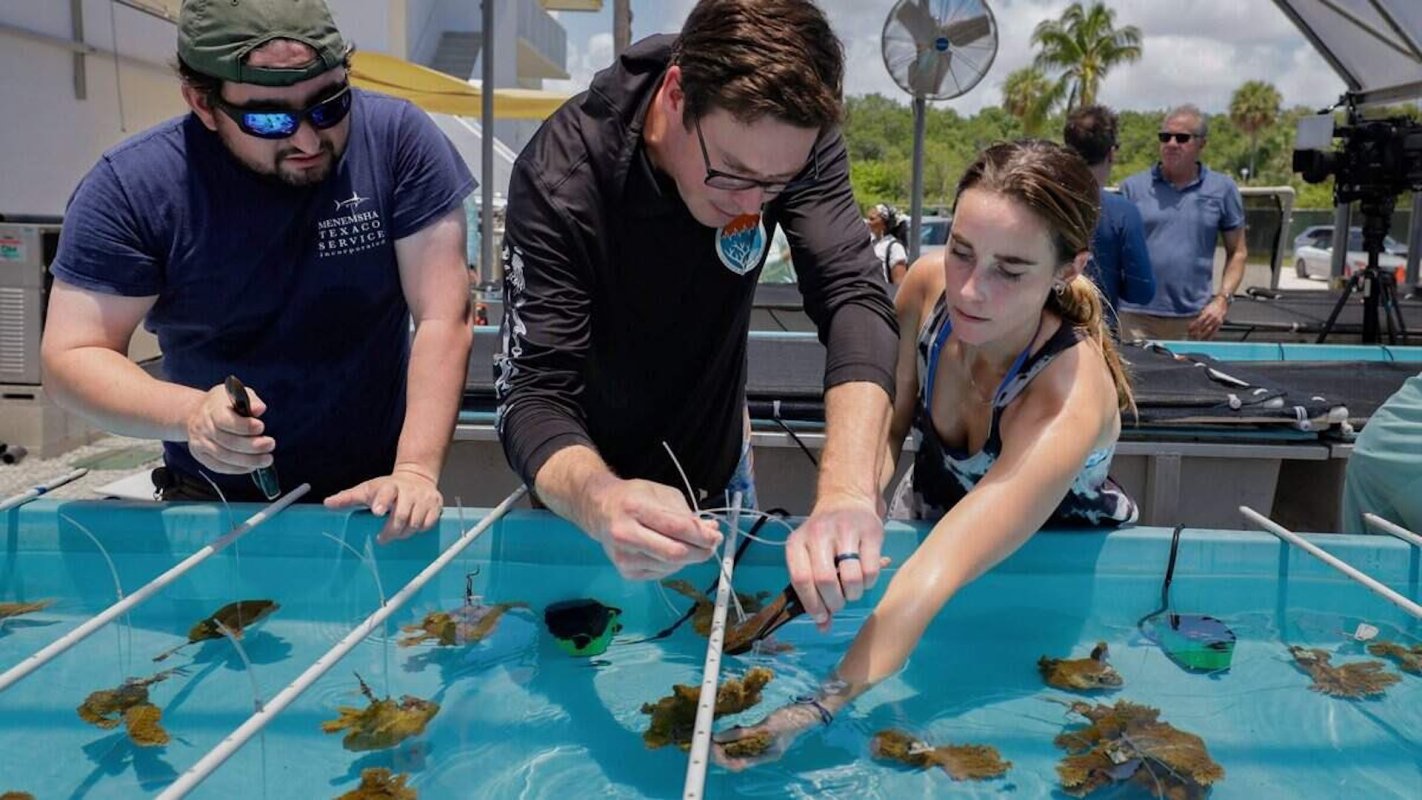
According to the Miami Herald, University of Miami researchers have begun transferring important Elkhorn coral fragments from offshore nurseries into land-based aquariums, shadier areas, and deeper waters. The effort was designed to protect the organisms from any potential bleaching that comes with extremely warm ocean temperatures.
In 2023, record marine heat led to widespread bleaching and coral deaths in the same region.
According to Dalton Hesley, a senior research associate with the University of Miami's Rescue a Reef program, the main difference this year is timing: scientists are stepping in before conditions become critical.
"This really isn't the full-blown emergency you saw in 2023, because we were on our heels," Hesley told the Miami Herald. "This is us being proactive."
Action shots from the Elkhorn coral relocation mission on Wednesday by our @rescueareef team and in collaboration with the @CoralReefFuture Lab at the UM @MiamiRosenstiel School 🤓🪸
— Dalton Hesley (@DaltonHesley) July 24, 2026
📸: @aldiazphoto of @MiamiHerald pic.twitter.com/SX3Ol7BfKY
The outlet noted that among the corals being relocated are older Elkhorn fragments descended from some of the last naturally occurring colonies on Florida's reef, which makes them especially important. A recent paper described the species as "functionally extinct" after the 2023 marine heat wave.
TCD Picks » Quince Spotlight
💡These best-sellers from Quince deliver affordable, sustainable luxury for all




Conditions also seem to be deteriorating earlier than usual. By Monday, the Florida Keys had reached level two on the coral bleaching watch chart, which, as the Miami Herald reported, signals major bleaching with likely coral losses, while South Florida was still at alert level one.
Why does it matter?
Coral reefs help support fisheries, tourism, and coastal economies, while also serving as natural barriers that reduce wave energy during storms.
When reefs bleach and die, fish lose habitat, businesses tied to diving and recreation can suffer, and shorelines become more exposed.
Scientists are especially concerned because NOAA researchers have already observed signs of bleaching on monitored reefs.
Ian Enochs, head of NOAA's Atlantic Oceanographic and Meteorological Laboratory coral program, told the Miami Herald: "Any coral bleaching is concerning, but visible coral stress this early in the summer season does not bode well for the health of our reefs."
What's being done?
Rather than wait for bleaching to spread, the team is preparing corals for the hottest months by moving them to protected tanks at the University of Miami's outdoor lab.
Researchers inspect each fragment, remove hitchhiking organisms, give the corals a cleansing bath, and suspend them in tanks designed to keep them safe through peak heat, the Miami Herald reported.
Diego Lirman, an associate professor at the University of Miami Rosenstiel School, told the outlet that Miami's slightly cooler waters helped spare some reefs during the last major heat event.
"Last time, we brought in pretty much everything we could," Lirman told the Miami Herald. "Luckily, we ended up not having a lot of bleaching."
For now, the rescue plan is centered on the highest-priority breeding stock, with the option to widen the effort if conditions keep worsening. Lirman said researchers may also bring in endangered Staghorn coral babies if temperatures continue to rise.

Get TCD's free newsletters for easy tips, smart advice, and a chance to earn $5,000 toward home upgrades. To see more stories like this one, change your Google preferences here.






